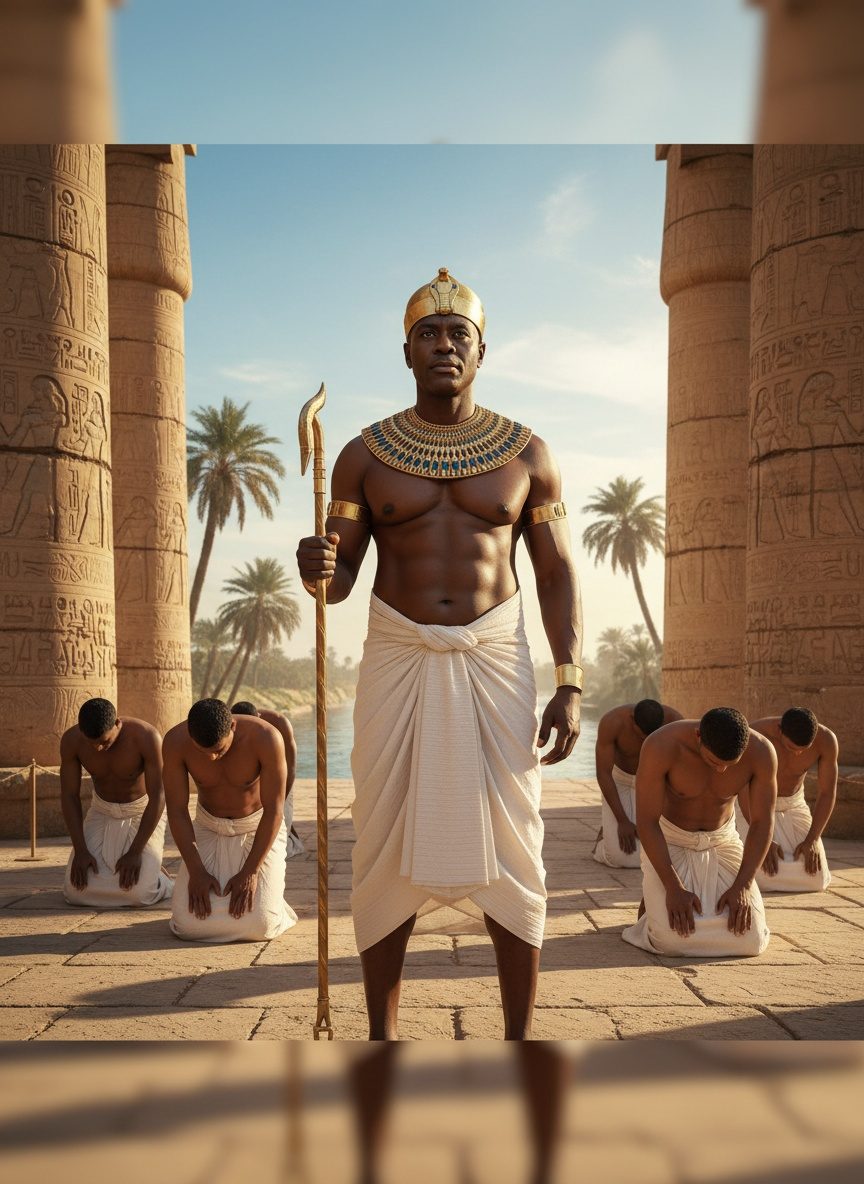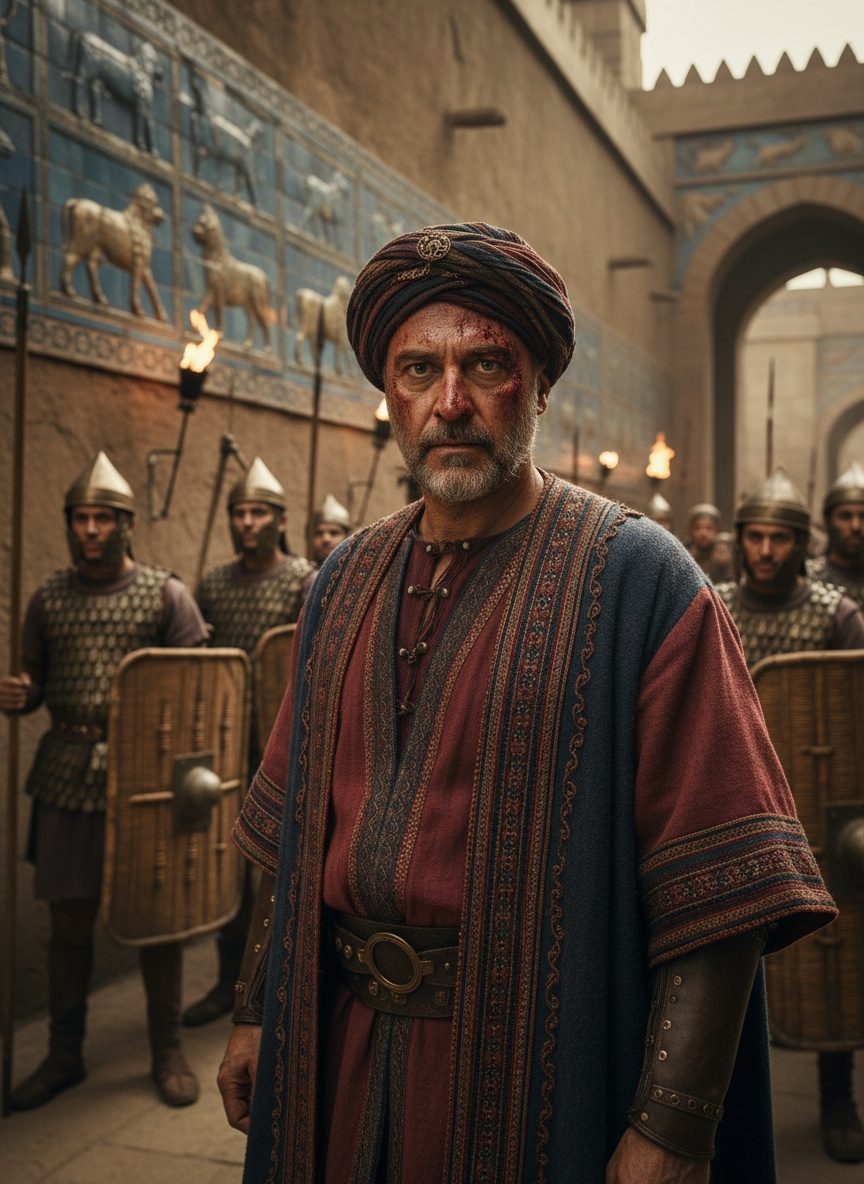
The wind howled across the sun-scorched plains surrounding Babylon. Dust clouds danced against the towering walls that had defied armies and tyrants alike. It was late in 519 BC, and the city stood as a testament to endurance—and rebellion. For two long years, the Great King Darius I of Persia, known for his vast empire stretching beyond the known world, had seen his armies repelled and his patience tested by Babylon's unbreakable defenses. Yet, within the Persian camp, a sinister plan was taking shape, one that would forever render Babylon's legendary walls obsolete.
Devious Disguise: The Bold Mutilation
Amidst the tactical deliberations and the anxious murmurs in the Persian encampment, Zopyrus, a commander of uncommon resolve, resolved to undertake an unimaginable sacrifice. The mood was tense under the blistering sun, a cauldron of frustration threatening to boil over. As an advisor and steadfast confidant to King Darius, Zopyrus concocted a strategic ruse so audacious that it bordered on the mad.
Without blinking at the pain or the potential consequences, Zopyrus disfigured himself drastically, shearing off his own nose and ears. This ghastly act of self-mutilation left spectators aghast—deep gashes oozed and raw flesh throbbed under the searing gaze of the sun. Zopyrus, with his noble blood and piercing intellect, now wore the visage of a desperate deserter, a sobering image that no one could dispute. His grotesque transformation was more than a commitment; it was an implicit pledge of allegiance to Darius's vision for Persia's domination.
Entering the Dragon's Den: The Con of Conquest
The change in Zopyrus's appearance was met with horror and disbelief, but his resolve remained unshaken. He appeared before Darius, presenting his plan with remarkable clarity despite his injuries. The king saw his courage and skill as a warrior crystallizing into something extraordinary. And so, with the backing of his liege, Zopyrus set out to breach Babylon's unyielding spirit from within.
As he staggered toward Babylon's formidable gates, dirt clinging to his torn robes and blood-streaked skin, Zopyrus resembled a tragic figure fit for pity rather than fear. He spun a tale of epic betrayal to the Babylonians—desertion from the Persian ranks following a brutal punishment, a lie enhanced by his mangled face and raw wounds. Driven by hatred, he claimed he sought refuge and revenge against the Persian oppressors.
Babylon, in its eagerness to believe someone of his stature had turned against Darius, embraced him. Ensnared by his masterful deception, the Babylonians welcomed their would-be savior behind the walls that had so long repelled their enemies.
Subterfuge and Sabotage: The City Falls
Once ensconced within Babylon’s impregnable defenses, Zopyrus played his part to perfection. He was like a serpent, weaving his influence and rising quickly in their trust. Day by day, he ingratiated himself until the Babylonians, seeing him as an asset rather than adversary, placed their protection in his hands. They applauded his insights, unsuspecting of his true allegiance or deadly intent.
Under cover of darkness and the oblivious gaze of the Babylonian guards, Zopyrus orchestrated a series of calculated conflicts. Through cunning and silver-tongued diplomacy, he manipulated the balance of power within the city—a process that hinted at neither haste nor hesitation. His actions, methodical as the ticking of a funeral clock, weakened the Babylonian resolve without raising a single alarm. The trap was baited and primed for Darius's culminating assault.
When the moment arrived and the gates swung wide under Zopyrus's orders, the blinding brilliance of Persian invaders poured over the city like a malevolent tide. The pride of Babylon, so long untamed and undefeated, crumbled against the unforeseen onslaught—a masterstroke of military deceit and unrivaled bravery.
The Legacy of Zopyrus: Sacrifice and Strategy
With Babylon subdued, the earth itself seemed to hold its breath. In a single stroke, Zopyrus had secured not only his place in history but amplified the reverence—albeit grudging—for Persia's burgeoning empire. Yet, as the embers cooled and the dust settled, the story of the man whose mutilated sacrifice heralded a turning point in history lingered—a talking point across the reverberations of time.
This episode, so expectantly unusual, underscores the incredible lengths to which humanity might stretch to achieve an end. It stands as a chilling reminder of the sacrifices individuals make, the extremities of loyalty, and the often-obscured deeds behind historical triumphs. Zopyrus's name might not figure in the pantheon of great kings or celebrated generals, but his legacy endures as a symbol of the unconventional ingenuity and relentless daring that eventually toppled mighty Babylon. The strength of walls, however mighty, pales beside the power of cunning human resolve.