For most of his life, Zhang Juzheng was a devoted scholar. Yet, he was no stranger to wielding the power of the Ming Empire when the throne called for his sharp intellect and steely resolve. At the heart of one of China's greatest dynasties, Zhang would reshape an entire empire, only to watch, from beyond the grave, as his contributions unwound with alarming speed.
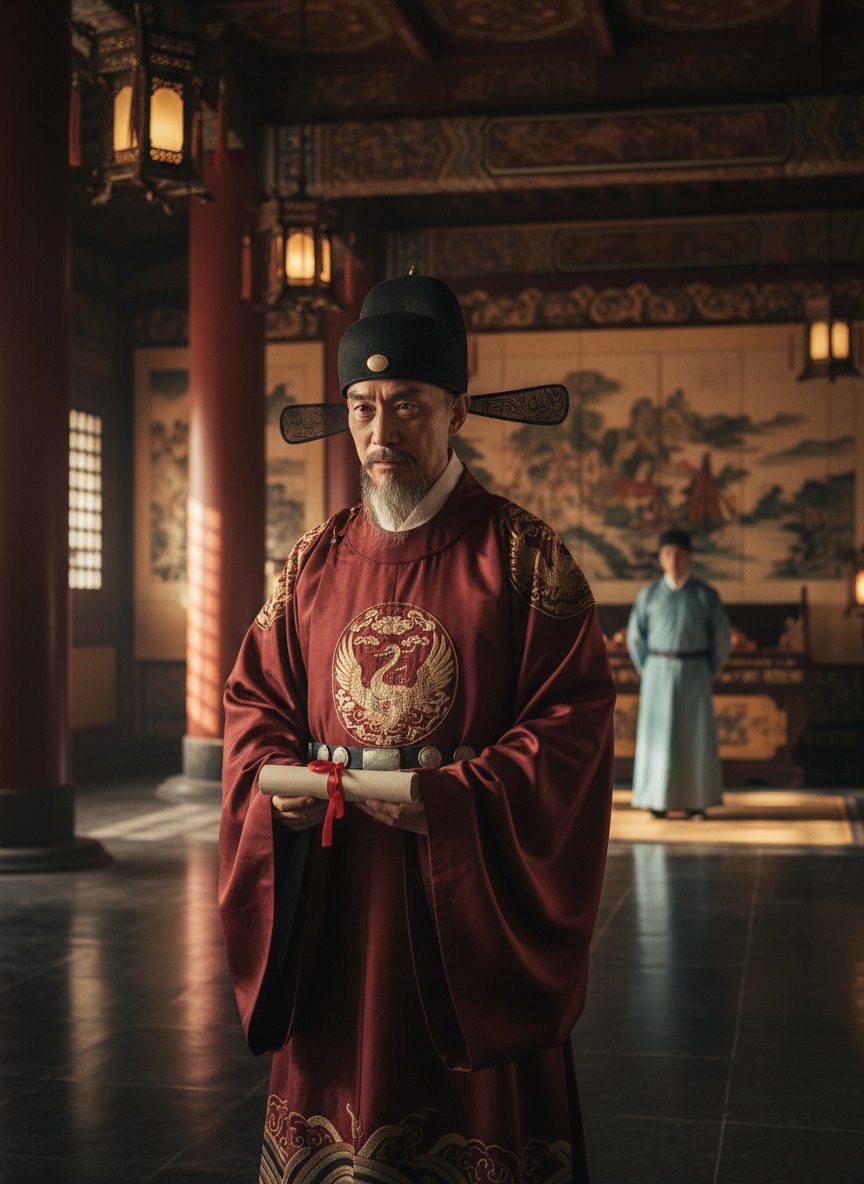
The Ming Dynasty in the late 16th century faced daunting challenges. With entrenched corruption, an empty treasury, and a demoralized army, the empire seemed poised to tumble as wars and natural disasters threatened stability. Enter Zhang Juzheng, a man whose name would eventually become synonymous with both salvation and controversy. Holding the influential post of Grand Secretary under the watchful gaze of the Wanli Emperor, Zhang envisioned reforms on a scale unheard of for his time, tackling bureaucratic inefficiencies and revamping fiscal policies.
His audacity showed through his bold maneuvers. One of his hallmark reforms, the Single Whip Law, revolutionized the tax system, scrapping the old, fragmented, and corrupt system which favored the wealthy elite over the struggling peasant class. For the first time, taxes were to be paid in silver—an innovative move destined to streamline revenue collection and lessen corruption while increasing imperial coffers. The reform was radical, shocking traditional courtiers and local officials who profited from the old ways, but crucially, it fed millions and reenergized the Ming treasury at a point where the empire teetered on the brink of financial collapse.
As Grand Secretary, Zhang was a lone wolf in many respects, maneuvering politically in an imperial court fraught with intrigue and opposition. Yet, he carried the trust of the Wanli Emperor, who was just a child when Zhang first rose to the role of regent and protector. It was a delicate balance. Zhang knew his enemies—powerful eunuchs and bureaucrats who viewed his reforms as a threat to their influence—and continually outmaneuvered them with the precision of a grandmaster. Steering an empire required more than just political resolve; it demanded brilliance, and Zhang had plenty.
Ironically, his triumphs were to also be his undoing. On the surface, the Ming Dynasty flourished under Zhang's stewardship, yet simmering beneath was a cauldron of resentment from those waiting for him to err. Zhang's enemies masked their discontent while plotting his downfall with unyielding patience. He must have known of their schemes but counted on the emperor's favor—an unwavering support he expected would continue for years.
Death, as it does to all men, came for Zhang in 1582, abruptly ending his chapter of influence. Here, the scholars and bureaucrats who reviled his changes saw their chance. In the weeks following his death, accustomed powerbrokers seized the moment, dismantling his reforms with a malicious efficiency. The Wanli Emperor, now free of his regent's auspices, was pushed by courtiers to discard Zhang's legacy. And in a final act of disdain, they exhumed Zhang's body, a symbolic desecration of everything he had achieved.
The eeriest twist of Zhang's tale lies not in his physical demise but in the unravelling of his achievements. The rigorous discipline and economic stability he had nurtured were swiftly undone by opportunistic officials eager to return to old habits of indulgence and self-interest. His tax reforms, once reliable pillars of fiscal health, were dismantled amid chaos. The imperial treasury emptied, and the common people felt the pinch as their welfare eroded—an echo of the conditions before Zhang's reign.
The fall of Zhang Juzheng stands out in history as a profound allegory of power's impermanence and the fragile nature of reform. It also illustrates the dangers faced by those who defy tradition in pursuit of progress. Zhang's life reminds us that successful governance hinges on both enlightened vision and steadfast allies willing to endure beyond one's leadership. Despite his body's desecration, Zhang Juzheng's spirit of reform posed a provocative question to future generations: How fiercely will you defend what is right?