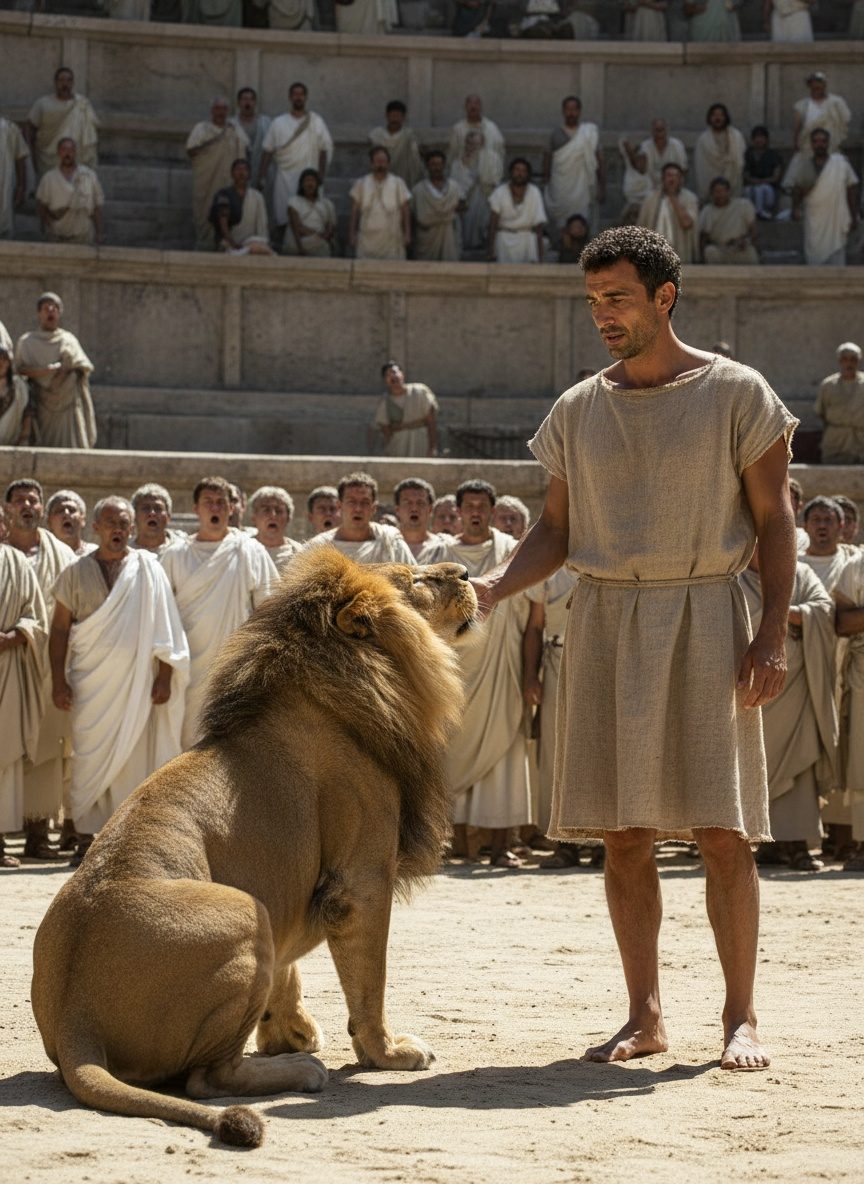
He was celebrated as one of the masterminds behind the discovery of DNA. Yet, a series of ill-judged remarks left James Watson ostracized by many in the academic community. Known for unraveling the very code of life, Watson found himself wrapped in a different kind of narrative—a public fall from grace.
The Unraveling
To say James Watson had a distinguished career would be a profound understatement. Born in 1928, Watson catapulted to international fame in 1962 when he, along with Francis Crick and Maurice Wilkins, was awarded the Nobel Prize in Physiology or Medicine for their work in discovering the double-helix structure of DNA. It was a groundbreaking achievement that fundamentally changed our understanding of genetics and biology. Despite this monumental success, Watson's career was marred by controversy, particularly because of his public statements on sensitive topics like race and intelligence. As these comments drew increasing criticism, Watson found himself alienated, casting a shadow over his illustrious achievements.
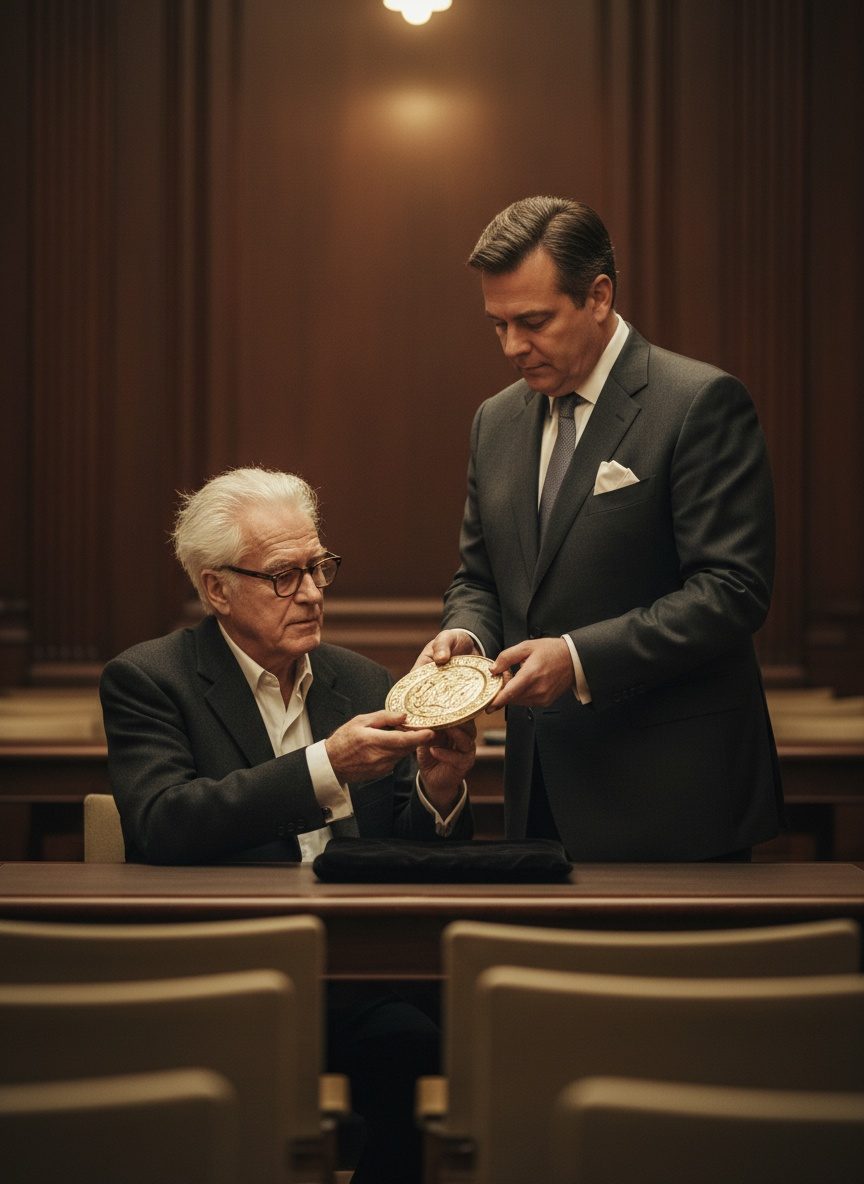
By 2014, Watson faced both professional and financial pressures, largely stemming from these controversies. In a surprising move, he decided to auction his 1962 Nobel Prize medal. It was an unprecedented decision, marking him as the first living laureate to sell his medal. Watson disclosed his reasons, stating hopes to use the proceeds to gain entry back into society and benefit various benefactory causes like Trinity College and scientific research institutions. On December 4, 2014, the medal went under the hammer at Christie’s in New York, fetching an astonishing $4.1 million. But this sale was only half the story.
An Unexpected Hero
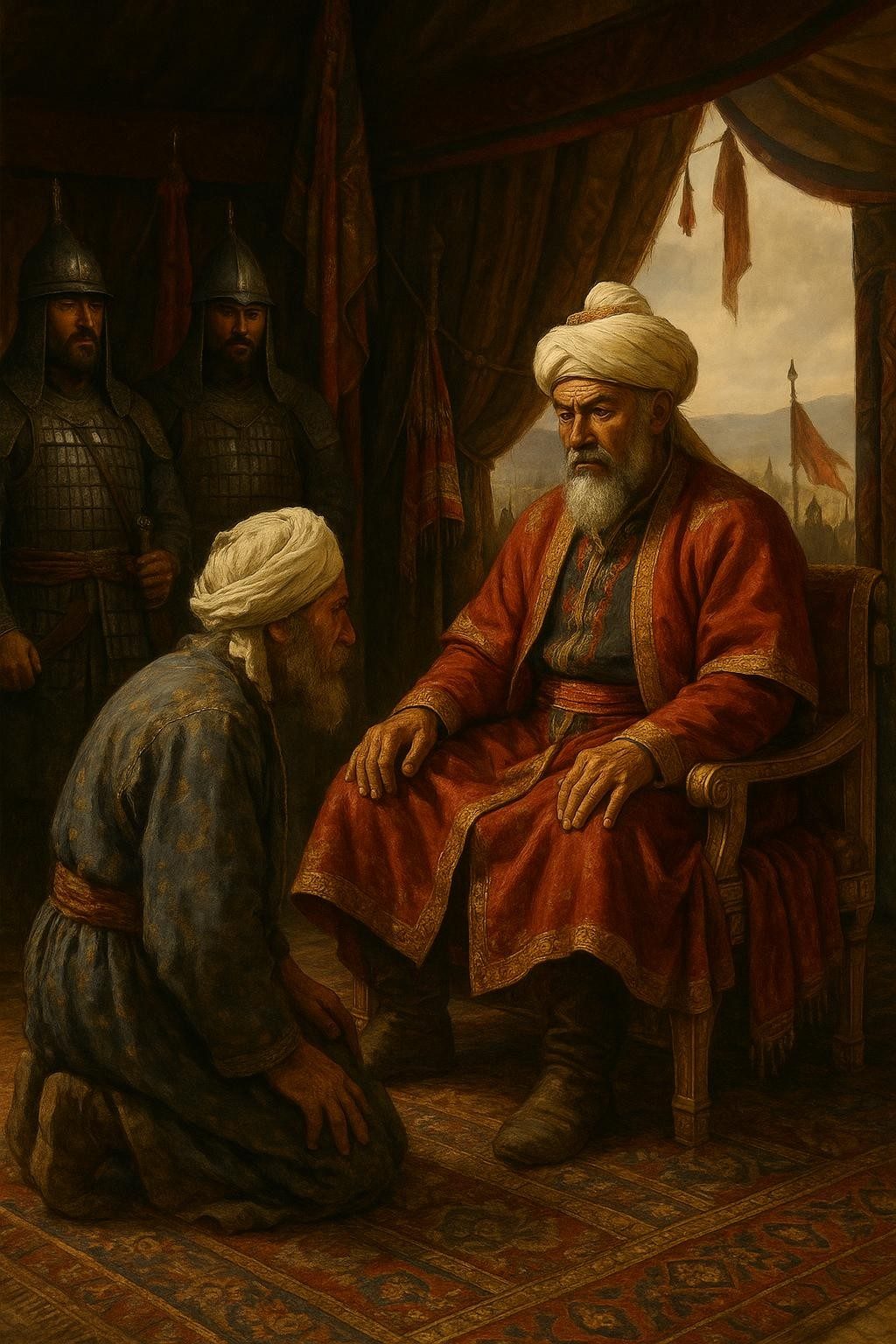
The buyer, Alisher Usmanov, was an oligarch often portrayed in the media as a ruthless businessman, with extensive investments across various sectors. Russian-born and educated in British financial institutions, Usmanov saw in the medal auction an opportunity to shift the narrative around his public image. After securing the Nobel Prize at auction, Usmanov, in a move as unexpected as a summer snowstorm, decided to return the medal to Watson. His actions were less about the financial sum involved and more about acknowledging Watson's contributions to science.
Usmanov publicly announced that he planned to give the medal back because, as far as he was concerned, it belonged with Watson. He declared that Watson's work strengthened the world’s progress in understanding genetics and that his scientific contribution should be eternally recognized. Many observers were surprised by this act of goodwill, a stark contrast to the critical discourse surrounding Watson at that time. Usmanov’s decision to return the medal not only defied the expectations associated with his public persona but also reinstated Watson, albeit momentarily, into the limelight for a positive act, rather than a controversial misstep.
Redemption and Reflection
The saga surrounding Watson and his Nobel Prize medal offered a lesson in reconciliation and redemption. For Watson, the return of the medal was a personal vindication, a balm for his wounded reputation. Despite past controversies and public missteps, the act of returning his medal underscored an undeniable fact—his scientific achievements remain invaluable. Usmanov’s gesture was received with widespread approval, offering a fresh perspective on philanthropy from an often-misunderstood figure. Moreover, it sparked discussions around how society handles the complexities of separating a person’s achievements from their personal views.
This fascinating chapter in Watson’s life reminds us that history is often composed of shades of grey, rather than black and white. It's a potent reminder that acts of compassion and humanity can emerge from unexpected places and that the legacy of scientific discovery transcends the personal flaws of its discoverers. This story matters not just as a curious anecdote but as an illustration of the broader conversation on forgiveness, understanding, and the enduring impact of scientific endeavor. In today’s world, where personal and public lives increasingly intersect, Watson’s tale of unexpected redemption holds lessons for us all—a reminder of the profound complexities that lie beneath the surface of greatness.