Anna Bagenholm drowned in a frozen stream. Then she woke up.
A Chilling Accident Beneath the Ice
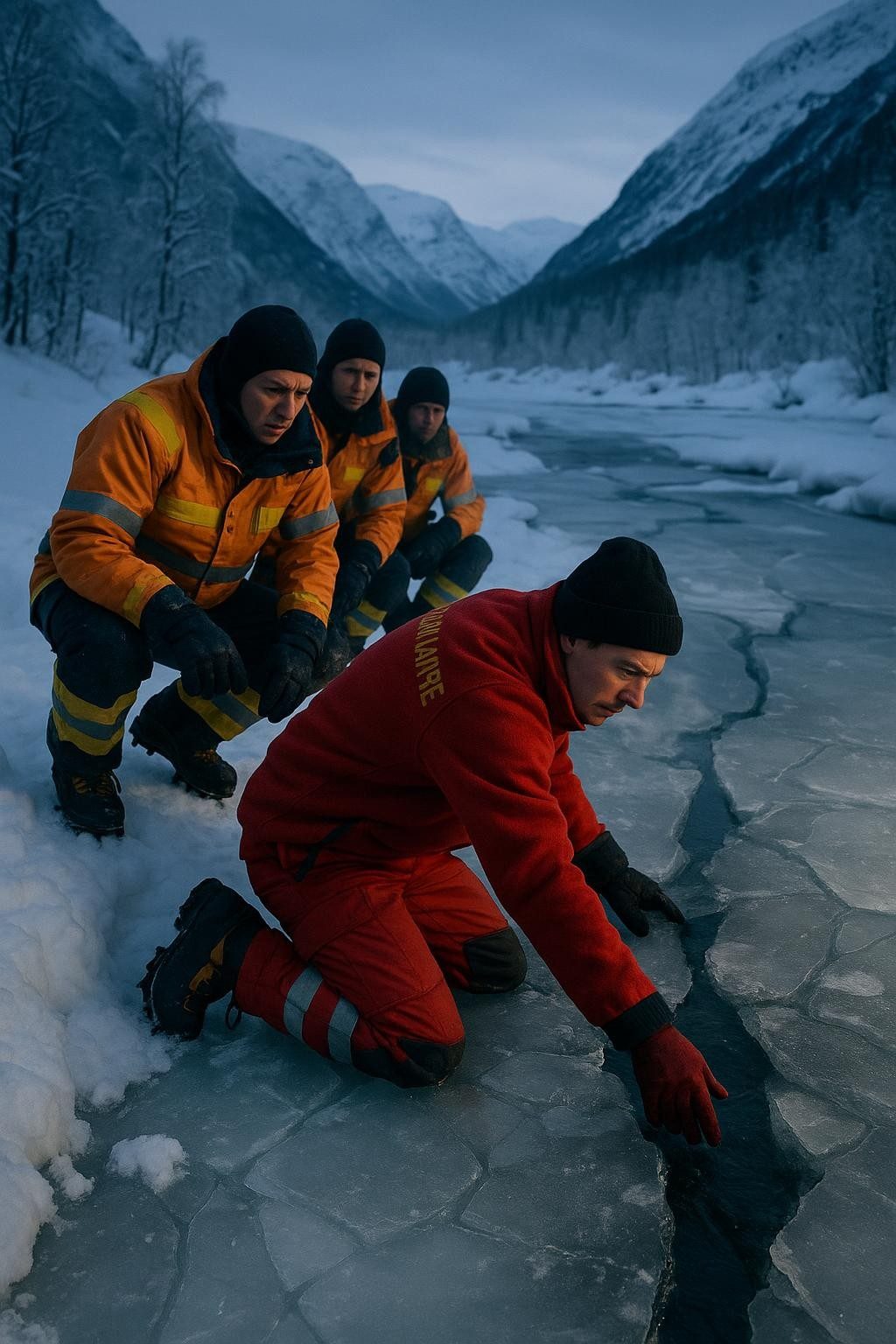
It was a day that began like many others for Anna Bagenholm, a trainee surgeon with a penchant for outdoor escapades. On May 20, 1999, the mountains of Narvik, Norway, stood resplendent beneath a wintry sheen, luring adventurers to weave through its frosty expanses. But as Anna carved her path through the snow, fate took a frigid turn. Hurtling down the slopes, she strayed onto a frozen stream, the ice beneath her skis giving way with a horrifying crack. In an instant, she was pulled into the merciless grip of the icy water, trapped below an implacable ceiling of ice.
Anna's colleagues watched in horror as she vanished beneath the glassy surface. Desperate to save her, they clawed at the ice with bare hands and ski poles, their frantic efforts creating a halo of broken shards. Despite their best efforts, nearly 40 relentless minutes passed before they could drag her limp body free. By then, nature’s harsh grasp had claimed its due—her heart had stopped, the warmth of life yielding to the chilling embrace of the stream.
The Limits of Survival
For the doctors at Tromsø University Hospital, the challenge was unprecedented. Anna Bagenholm was declared clinically dead; she had been without a heartbeat for 80 minutes, her body temperature plummeting to a lifeless 56°F (13°C). Such a degree of hypothermia would be fatal under any normal circumstances. Yet, the medical staff refused to surrender to the inevitability of the situation.
It’s a well-known medical oddity that extreme hypothermia can sometimes preserve life, albeit in a grimly paradoxical way. When body temperatures drop to such depths, metabolic processes slow to a crawl. The brain consumes less oxygen, offering a sliver of hope where there otherwise would be none. With a resolve forged in the fires of impossibility, a team of doctors and nurses, who understood the brutal equation, decided to act.
The Relentless Fight to Revive
With urgency dictating their actions, the medical team embarked on a herculean effort to defy death’s icy grip. Anna was hooked up to a heart-lung machine, a stark consolidation of wires and tubes designed to take over the functions her own organs could no longer perform. Slowly, methodically, they began warming her blood. The room was filled with an electric silence, punctuated only by the whir of machines and the steady, hopeful encouragements whispered amongst those present.
Minute after excruciating minute, they worked tirelessly. For spectators, observing such a scene would be to question the very nature of possibility. But for those engaged in this intimate pas de deux with destiny, possibilities had become irrelevant. What mattered was unwavering faith in medicine—a quiet conviction that even on the precipice of despair, life could endure, reinvent itself, and prevail.
A Heartbeat Against the Odds
Time, interminable and exacting, ebbed away as the warmth began seeping back into Anna's frigid body. With it came the signs they had all hoped for—a heartbeat, timid at first, like a whisper in a gale, growing stronger by degrees. Against all odds, her heart, once still, resumed its faithful rhythm. It was a moment that defied easy description: not just the reignition of life but a scientific triumph battling against established limits of human survival.
The miracle of Anna's revival was underscored by skepticism and the cautious optimism of professionals tempered by experience. While the first battle was won, the war was just beginning. Would brain damage haunt her, specter-like, after such a prolonged absence of blood flow? Could those halcyon days skiing perfect slopes ever return?
The Triumph and Legacy
Anna Bagenholm’s path to recovery was neither quick nor easy. Yet, her survival is unassailable testimony to human resilience and the tenacity of those bold enough to question medical constraints. Remarkably, she not only learned to walk again but resumed her medical career, embodying the unyielding spirit she demonstrated on that fateful day beneath the ice.
Her extraordinary story forces us to confront the margins of what we believe is possible. It compels reflection on our understanding of life and its fragile tenacity. Anna's experience rewrote medical textbooks, serving as a beacon of hope and inquiry for countless medical professionals. This tale of determination and cutting-edge medical application asks us to reconsider what it means to be on the brink of life and death, and reminds us that sometimes, mysteries nestled at the edge of our knowledge can become the catalysts for the most astounding breakthroughs.