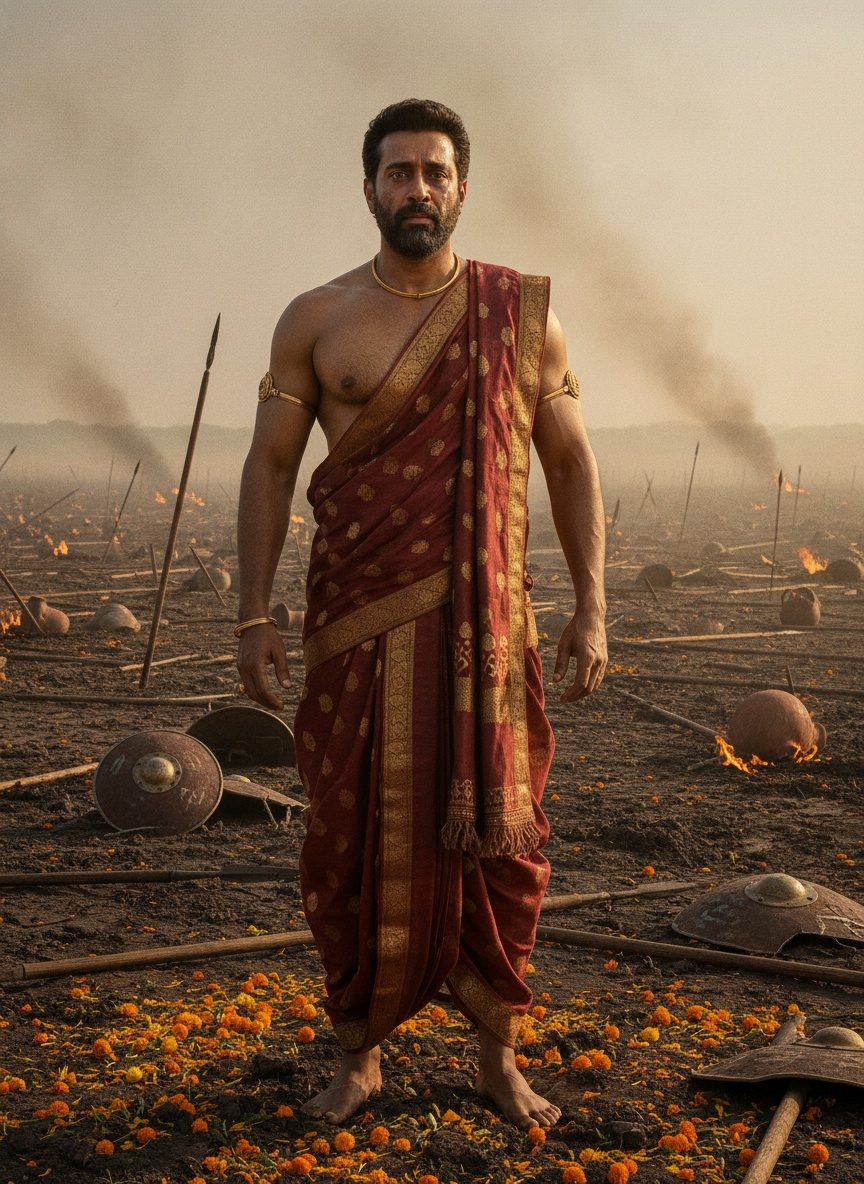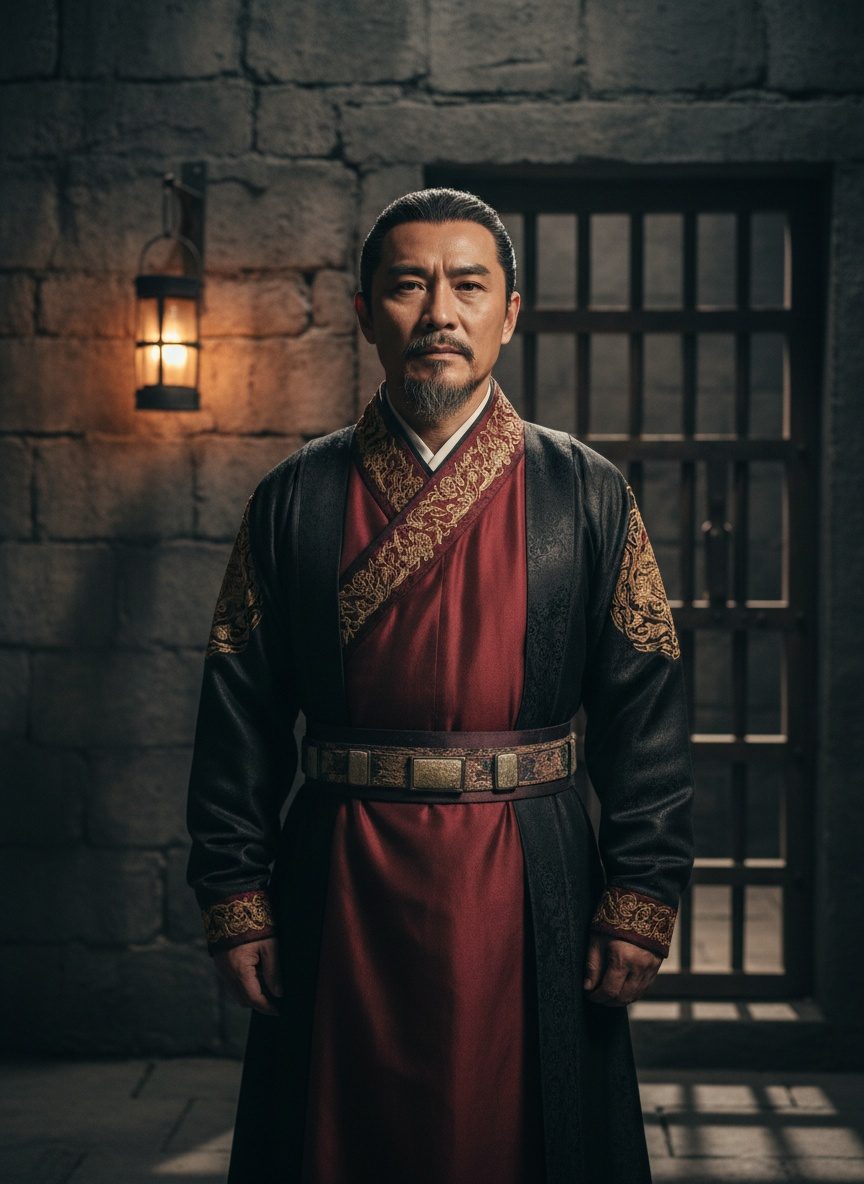
The mist hung thick over the rolling hills near Kaifeng, the sky a tapestry of grey and muted colors as dawn broke over central China. The air was crisp, touched by the chill of early morning that promised to give way to a clearer, warmer day. It was a world teetering on the edge of change, a place where birdsong rose and fell in the silence left by the battles of the prior days. In 1142, this land was the battleground on which China’s future lay precariously balanced. Yue Fei, the tireless commander regarded as China's greatest military strategist, stood poised to reclaim the north from the Jin invaders. Yet, from the shadows of imperial palace intrigues, danger was advancing toward him—one he could not combat with swords and soldiers.
Called Back from the Brink of Victory
Yue Fei was a man well-acquainted with hardship. Born into a world of turmoil, his prodigious abilities soon brought him into the service of the Song dynasty. Rising through the ranks, he became a symbol not just of military acumen but of unwavering loyalty. His commanding presence on the battlefield rallied troops and reinforced defenses in the face of overwhelming odds. By 1142, his success was undeniable. With glaring resilience and at the helm of disciplined forces, Yue Fei had pushed the Jin forces back, reclaiming territory inch by hard-fought inch.
Yet, within the intricate web of the Song court, whispers and schemes pulsed against the backdrop of Yue Fei's military triumphs. The Song emperor, pressured by internal and external forces, issued a directive so urgent it bore the mark of immediate peril. Twelve summonses in a single day—a demand for Yue Fei's return to the capital. Despite being on the cusp of a transformative victory, Yue Fei obeyed, his dedication to duty and loyalty to the emperor eclipsing the personal ambition that might tempt a lesser man to defy orders.
Upon his return, the emperor expressed gratitude not with accolades but with shackles. Arrested on charges contrived from the thin air of paranoia and courtly deceit, Yue Fei found himself trapped in a snare of political chess. His reputation, carved from years of unrelenting integrity and prowess, did little to shield him from the treacherous undercurrents that sought his downfall. Questions to which only silence held the answer pressed against him relentlessly.
The Unspoken Defense
Yue Fei's ordeal was as much a battle of spirit as it had been of arms. In the dim light of his cell, the warrior faced his gravest test. His captors presented him with a dire bargain: his freedom in exchange for a confession of treason. Silence, they assured, would be met with ultimate punishment. Yet, Yue Fei, steadfast in his innocence and honor-bound to truth, refused to utter the lies needed to secure his own release.
Word spread beyond the prison walls, trickling through the populace like a haunting ballad of sacrifice. Yue Fei's unwavering resolve transcended the iron bars of his confinement, inspiring his comrades and the common people alike. That a man entrusted with the defense of a nation could be so maligned by the machinations of his own sovereign painted a tragic picture of a fragmented era. Yet within the tragedy lay a luminescent core of virtue—an indomitable spirit that chose integrity over life itself.
Even as political tides shifted and evidence mounted against Yue Fei, his choice to remain silent whispered louder than any vocal declaration. His famed tattoos, inscribed on his back declaring, "Boundless loyalty to the nation," were bitter reminders of a loyalty whose reciprocity was found punctured and wanting. It was this loyalty, an unyielding fealty to the China he envisaged, that guided him toward the silence that marked his end.
A Legacy Beyond Death
On an overcast day much like those during his military campaigns, Yue Fei's life was extinguished not on the battlefield, but within the somber confines of prison, a sacrifice on the altar of political ambition by those who lacked his unwavering commitment. Yet in death, Yue Fei's spirit erupted beyond its mortal confines, embedding itself in the cultural and historical consciousness of a people forever bound by his undying example.
The poignant cruelty of Yue Fei's tale, woven with threads of valor and betrayal, serves more than a historical anecdote. It symbolizes a narrative as old as time itself—an examination of the tension between duty and power, integrity and compromise. Yue Fei’s refusal to save himself speaks to an unwavering devotion not just to a ruler, but to a higher ideal—one that has echoed through the centuries and resonates in the hearts of those who yearn for justice above personal gain.
Yue Fei's story endures, transcending epochs and cultures as a caution against the follies of misused power and the everlasting valor found in true loyalty. Perhaps what makes Yue Fei's tale so profound is not just the tragedy of a hero's fall, but the enduring triumph of his principles, resonating long after the dust of history has settled over the battlegrounds of ancient China.