Wyoming had fewer than 10,000 residents in 1869. Yet, it boldly altered the course of American history by giving women the right to vote. In a land dominated by men, women were suddenly wielding power.
Set against the rugged backdrop of the western frontier, the Wyoming Territory was a place where progressivism and rugged individualism collided spectacularly. It was a harsh land, hot in the summer and unforgivingly cold in the winter, where life demanded resilience and adaptability from everyone—no matter their gender. Perhaps it was this unforgiving environment that enabled Wyoming to see the potential in granting women an equal voice, a year before any other U.S. territory or state dared to do so.
By the time Wyoming decided to allow women to vote, the issue of women's suffrage was a contentious subject across the United States. Eastern states were mired in discussions and debates, but Wyoming’s decision was as pragmatic as it was radical. Local politicians hoped that by extending suffrage to women, they could attract more settlers and assert their territory's progressiveness, especially during this period of expansion where every vote was needed to define a new community's identity.
Despite the political calculations tied to such a decision, it wasn't all about demographics and attracting settlers. There was a genuine understanding rooted in the idea of equality that propelled Wyoming forward. Imbued with the spirit of the frontier—where survival often depended on contributions from every family member—these communities understood the intrinsic value women brought to their society. Women were involved in almost every facet of life, from education and healthcare to agriculture and business. Hence, it seemed both logical and fair that they should have a hand in shaping the laws they lived by.
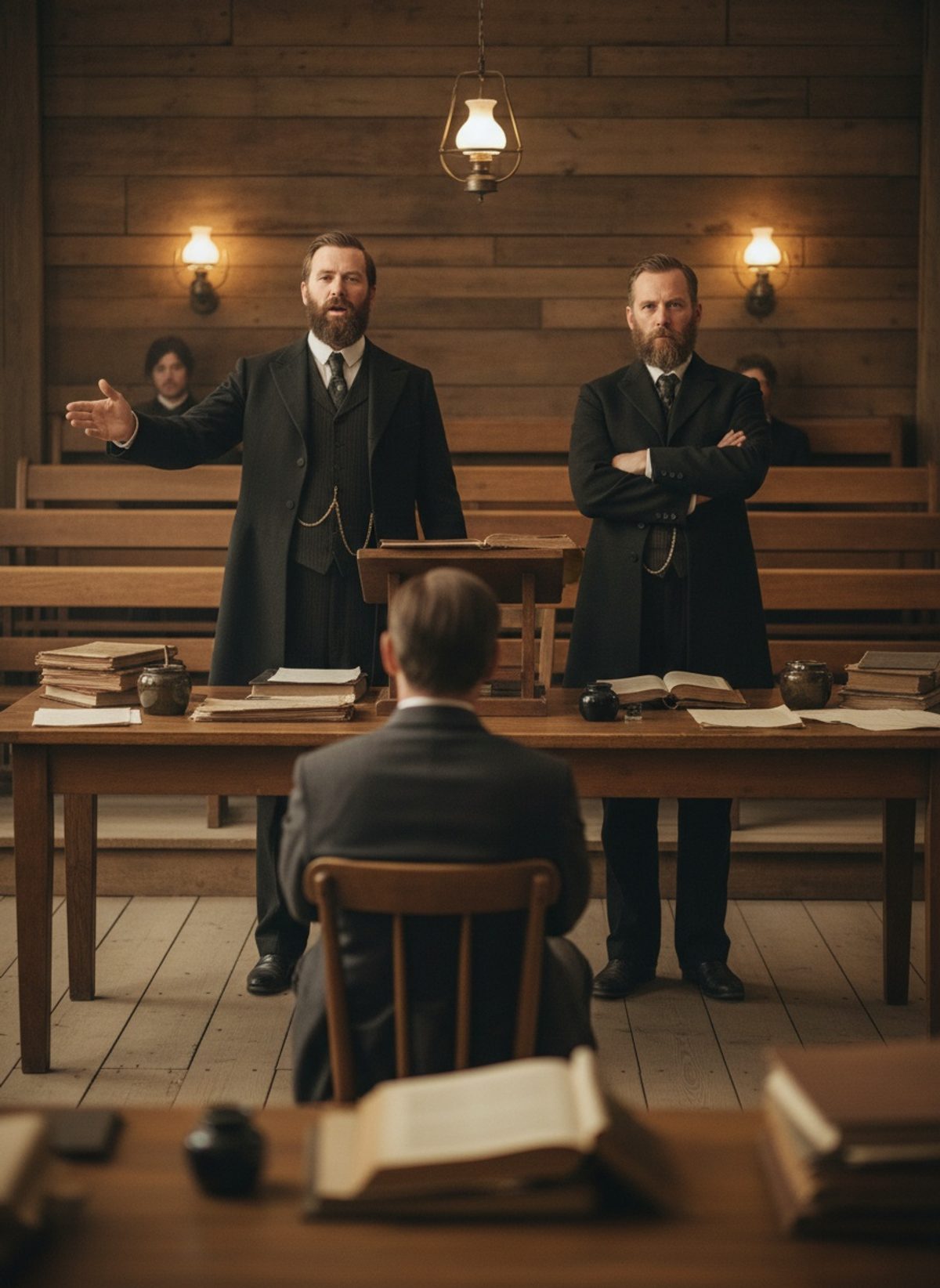
However, as the decades passed and the dream of statehood faintly stirred in the hearts of Wyomingites, their decision to empower women clashed head-on with the United States Congress. In 1889, when Wyoming applied for admission to the Union, Congress raised a pivotal objection—Wyoming had granted women the right to vote. Politicians in Washington feared that such a precedent might ignite a broader women's suffrage movement they were not prepared to accommodate. To them, a state where women voted was not the kind of example they wanted others to follow.
The backlash was swift but Wyoming's message was unflinching. In a move that was as audacious as it was historically significant, Wyoming telegraphed a stark declaration: no statehood was preferable to statehood without women's suffrage. "We will remain out of the Union a hundred years rather than come in without the women," wrote Wyoming's leaders. It was a resounding refusal to let go of their principles.
This defiance wasn't just politics; it was deeply personal to Wyoming's citizens. Women in Wyoming weren't ornamental figures in salons and ballrooms; they drove stagecoaches, ran businesses, and taught in schools. They were steeped in the same pioneering spirit that characterized the men beside them, and the idea of taking a step back from their hard-won status was unfathomable. It was both the promises of equality realized and the bones of a new tradition they'd begun to carve out for themselves among the jagged peaks and wide-open plains.
The ultimate victory for Wyoming came in a form that no one in Washington had predicted. In 1890, despite the opposition and fears from some sectors of Congress, the staunch resolve of Wyomingites swayed enough votes. The territory became the 44th state to join the Union with women's suffrage intact. It was a monumental achievement—not just for Wyoming but for the national movement towards women’s rights that gained momentum from this quiet triumph in the West.
Wyoming’s courage paved the way for the rest of the nation. It became known as the "Equality State," a legacy etched in the bedrock of its identity. By standing by its women, this small community of trailblazers pushed the envelope on what was possible in American civil rights, contributing in no small part to the eventual passage of the 19th Amendment in 1920.
What Wyoming did from 1869 to 1890 wasn't a mere political maneuver or a footnote in history; it was a stirring reminder of the power of conviction and a testament to the infinite potential communities unlock when they act with integrity to uphold fundamental ideals of equality. To modern readers, it serves as both an inspiring and a cautionary tale, reminding us that progress can be slow, victories hard-won, but every stand for equality leaves an indelible mark on the pages of history.