He was a farmer and a soldier but wore the scars of neither when he died. The man who united a fledgling nation had never crossed the seas to foreign lands until he carried them to freedom.
A Nation Bows Its Head
On December 14, 1799, George Washington, the esteemed first President of the United States, drew his last breath at his beloved Mount Vernon plantation. Despite his carefully cultivated image as the distinguished Father of a burgeoning nation, Washington was a figure of surprising humility. His final farewell came without pomp, eschewing the power he had once wielded with deliberate restraint. The news of his death traveled swiftly across the young nation, prompting a spontaneous outpouring of grief. From city centers to quiet villages, citizens gathered to remember a leader who had refused a crown. Washington’s life, marked by stoic duty and modesty, now symbolized the very principles upon which the republic was built.
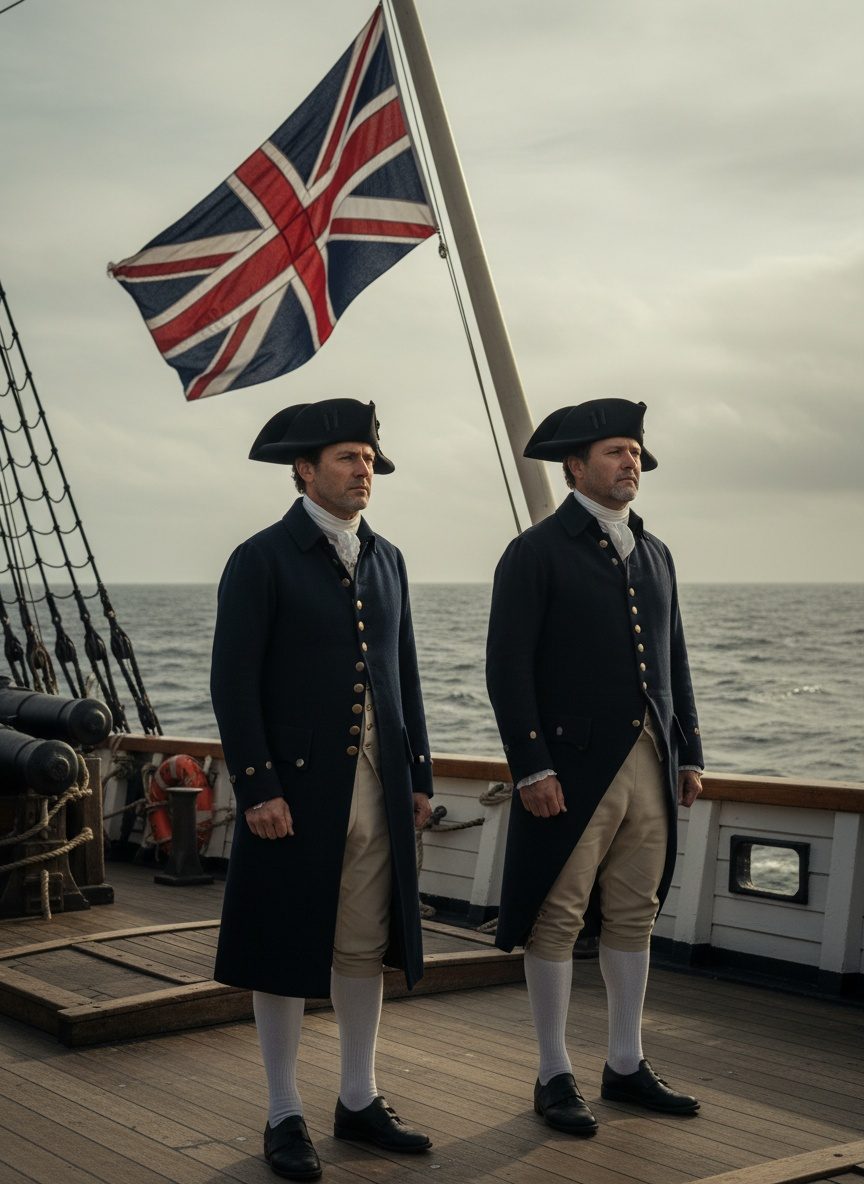
But what caught the world by surprise was the response beyond American shores. The Americans had fought bitterly for their independence, a struggle defined by strategic genius and relentless endurance. Yet, in death, Washington transcended the hostilities that had marked his leadership. His legacy, seemingly destined to remain confined within the boundaries of his homeland, unexpectedly reached global proportions. In a gesture laden with irony, even the British, once adversaries on the battlefield, honored him with a mark of profound respect. British warships lowered their flags at half-mast — a somber salute to the man who had defied their might. This act was more than mere formalities; it was recognition of Washington’s unparalleled character, whose integrity even former foes could not deny.
The Emperor’s Elegy
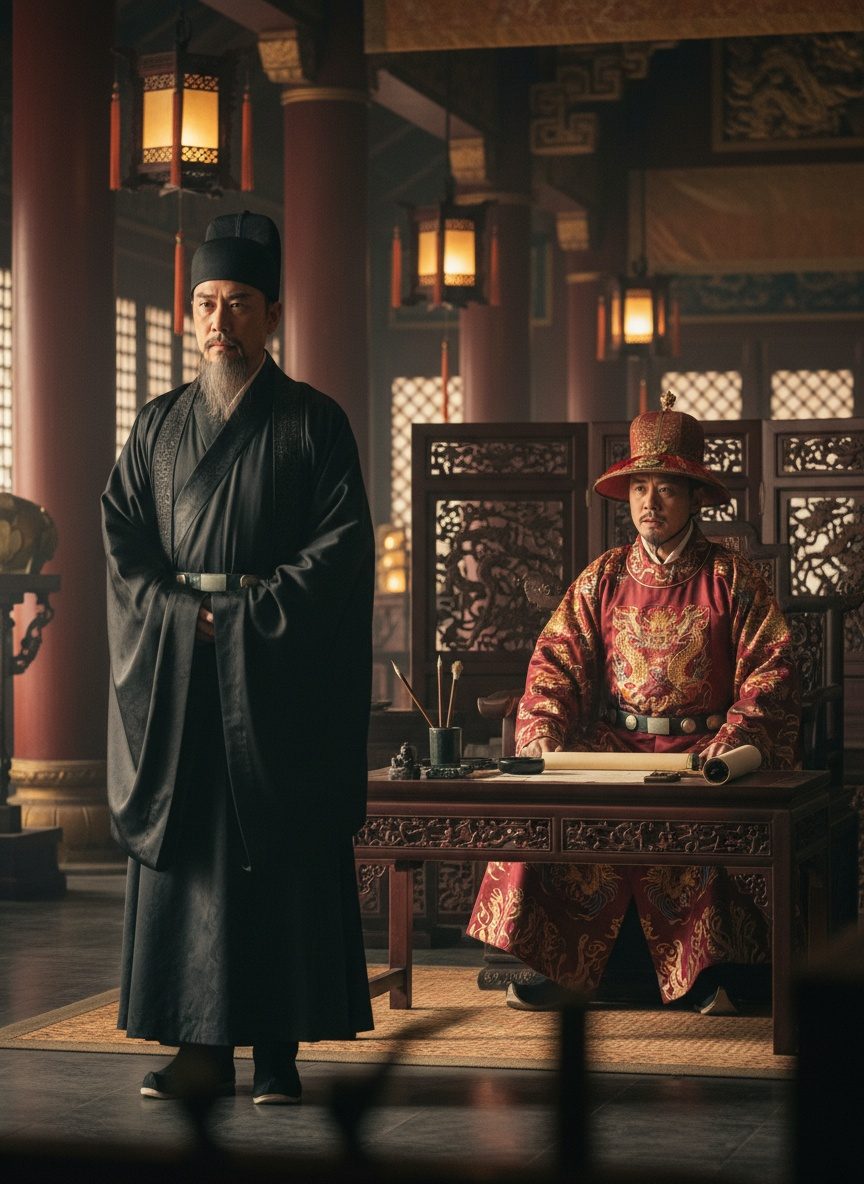
Across the English Channel, in the heart of Revolutionary France, another astounding tribute unfolded. Napoleon Bonaparte, a rising power on the European stage, declared ten days of mourning in honor of the American leader. Here was a figure whose alliance during the American Revolution had been pivotal — yet it was not mere gratitude that spurred Napoleon’s decree. The announcement resonated with a deep, unspoken acknowledgment of kindred spirit between two revolutionaries. Though their paths to prominence had diverged — Washington to independence, Napoleon to empire — both men envisaged a world reshaped by the ideals of liberty and self-determination.
This cross-continental mourning illustrated Washington's unique status as an exemplar of republicanism at a time when the world was poised on the precipice of change. France had been embroiled in its own tumultuous revolution and shifted continuously under the weight of its ideals. Washington’s tenure had become emblematic of stability and prudent governance. Napoleon’s act, then, was not just homage but a reflection of a shared ideological struggle — the relentless push against authoritative chains by men of vision.
An Enduring Silence
Washington’s passing provoked a torrent of reflective tribute far beyond what could have been anticipated. The unprecedented mourning by those he had vanquished spoke volumes about the man’s global stature. Yet, perhaps most telling was the solemnity that swept across the new nation — a silence speaking to Washington’s role as a moral north star in the maelstrom of new-found independence.
This event, transcending mere diplomatic etiquette, marked a profound moral acknowledgment that resonated through adversaries' actions. This humility and character, which evoked such widespread global reverence, cemented his legacy — not simply as a pioneering leader of a new nation but as an ethical beacon the world could, and did, salute. Washington’s vision had been larger than his life; it was about constructing a society resilient enough to outlast him. In dying, he had asked for no grand monuments, leaving instead a potent ethical legacy that lingered long after his physical presence faded.
Why did enemies and allies alike mourn his passing? The answer lies not only in the path he had charted for America but in his embodiment of principles that could cross oceans and span empires. Washington hadn’t just crafted a nation; he had crafted a narrative of leadership that stood unblemished by personal ambition. As the world bid him farewell, the collective pause — from the ships at harbor to the French streets — whispered his true legacy. In a world waiting for leaders with purpose beyond power, Washington’s life offered a template of integrity, echoing anew with each moment of history that demands introspection over mere might.