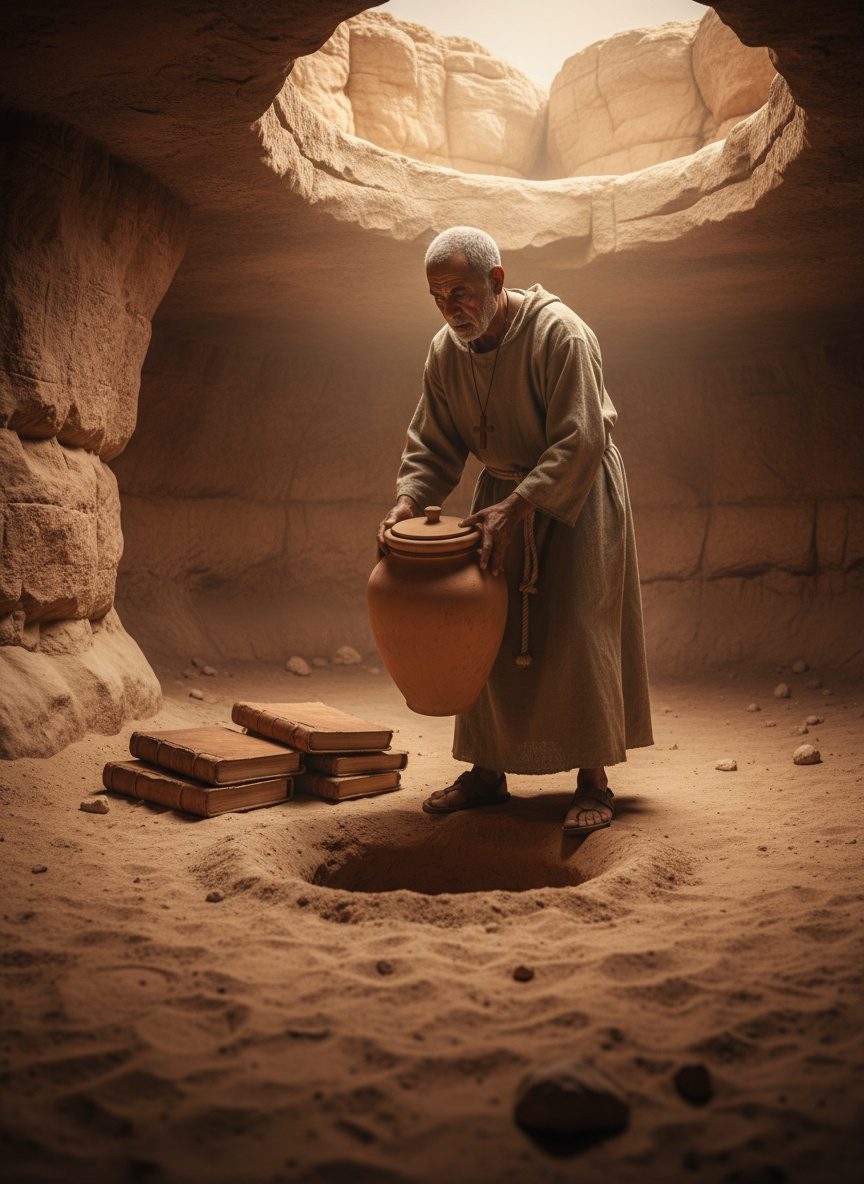
552 AD. A weary traveler wiped the sweat from his brow as the sun climbed high over the Silk Road.
The Secret of Silk
In the tapestry of ancient trade, few commodities rivalled silk for its allure and mystery. The plush fabric's shimmering beauty hid behind a veil of secrecy that the Chinese empire fiercely protected. Only the rare traveler of fortune returned with stories from the silk-making heartland. For centuries, the process was an enigma to the Western world, especially sought after by the Byzantine Empire, where courts draped themselves in its imperial status and luxurious feel. The road to acquiring silk was fraught with peril and expense as Byzantium relied heavily on Persian intermediaries who controlled the precious supply routes.
By the mid-6th century, Emperor Justinian I's ambitions to bypass this costly dependence took on new urgency. The idea of self-sufficiency resonated profoundly with him, particularly as his empire's coffers dwindled from paying exorbitant prices to procure this woven gold. Conflicted between necessity and opportunity, the Emperor sought a way to crack open the insurmountable monopoly China maintained. Unbeknownst to him, a daring plot was about to unfold—a tale of espionage entwined with invention.
A Plan Among Monks
Emperor Justinian’s saving grace came cloaked in simplicity. Two monks, their names whispered in the annals of history but never clearly recorded, presented themselves with a bold promise. They claimed to have a scheme to steal the secret of silk right from under the Chinese Empire's watchful gaze. The monks had spent years in China, ostensibly on religious missions, but also acting as covert scouts under the Emperor's purview. Their knowledge of local customs and languages proved vital in concocting their audacious subterfuge.
The risk was daunting: smuggling silkworm eggs across the Silk Road, a passage fraught with natural and human barriers. Success promised eternal glory and wealth; failure, almost certain death. Months of preparation led to an ingenious solution. They concocted a disguise—hollowed-out bamboo walking sticks. These ordinary-seeming aids served as camouflaged containers for the tiny, unremarkable eggs. Under the guise of unassuming travelers, the monks embarked on their perilous endeavor, the fate of an empire swaying with their every step.
The Journey of Secrets
The Silk Road was no singular path. It sprawled across mountains, deserts, and vast expanses that connected the East and West in a web of intrigue and commerce. For the monks, each leg of this journey presented both a physical and strategic challenge. Their disguised sticks held the new lifeblood of Byzantine industry, and so they treaded carefully, blending into the mosaic of traders, nomads, and pilgrims who moved like blood through the arteries of ancient trade routes.
Their real test came as they slipped through checkpoints and customs where treasures were catalogued, taxed, and sometimes confiscated. To wary officials, moving beyond customary scrutiny could mean heady punishment. Yet, coldly calculating these risks, they pressed their steady march across the dramatic frontiers of Asia. Keeping their vital cargo temperature-controlled was yet another prodigious challenge, which they managed with skillful precision, thanks to their intimate knowledge of silkworm biology gleaned during years spent in the territories of China.
Birth of Byzantine Silk
Finally, months later in 552 AD, the footsore monks crossed into Byzantine lands, their treacherous odyssey already a whispered legend. Unbowed walking sticks now stood as vessels of imperial transformation. The European soil welcomed the tender silkworms, which quickly set about their silent alchemy, spinning glistening threads that rivalled the most exotic silks procured thereafter.
Justinian's schemers had set into motion more than they knew. The monks' deliquescent triumph led to the swift establishment of silk farms and the weaving centers that soon colored the Byzantine economy with an opulent hue. Formerly, the precious threads that whispered in the breeze were now woven into the fabric of daily Byzantine life, each thread a testament to espionage and enterprise.
The Echo Through Time
In the shadowy corridors of time, the monks' tale whispers of the lengths empires will tread for their treasures. Their audacious feat reshaped the Byzantine economy and indeed, left its mark on history. No longer would Byzantium be beholden to whims of foreign merchants; the silken cocoon had cracked open to reveal a newfound independence and prosperity. Emperor Justinian's vision of self-reliance became a tangible reality, albeit through unexpected channels.
And so, from walking sticks to imperial robes, these clandestine actions flutter through history like a silkworm spinning its cocoon: delicate, transformative, and indelibly altering the course of an empire. Their story invites us to ponder the timeless balancing act between curiosity and cunning, necessity and invention—a testament to the intricate weavings of human enterprise where often hidden plans thread the most vibrant tapestries of history.