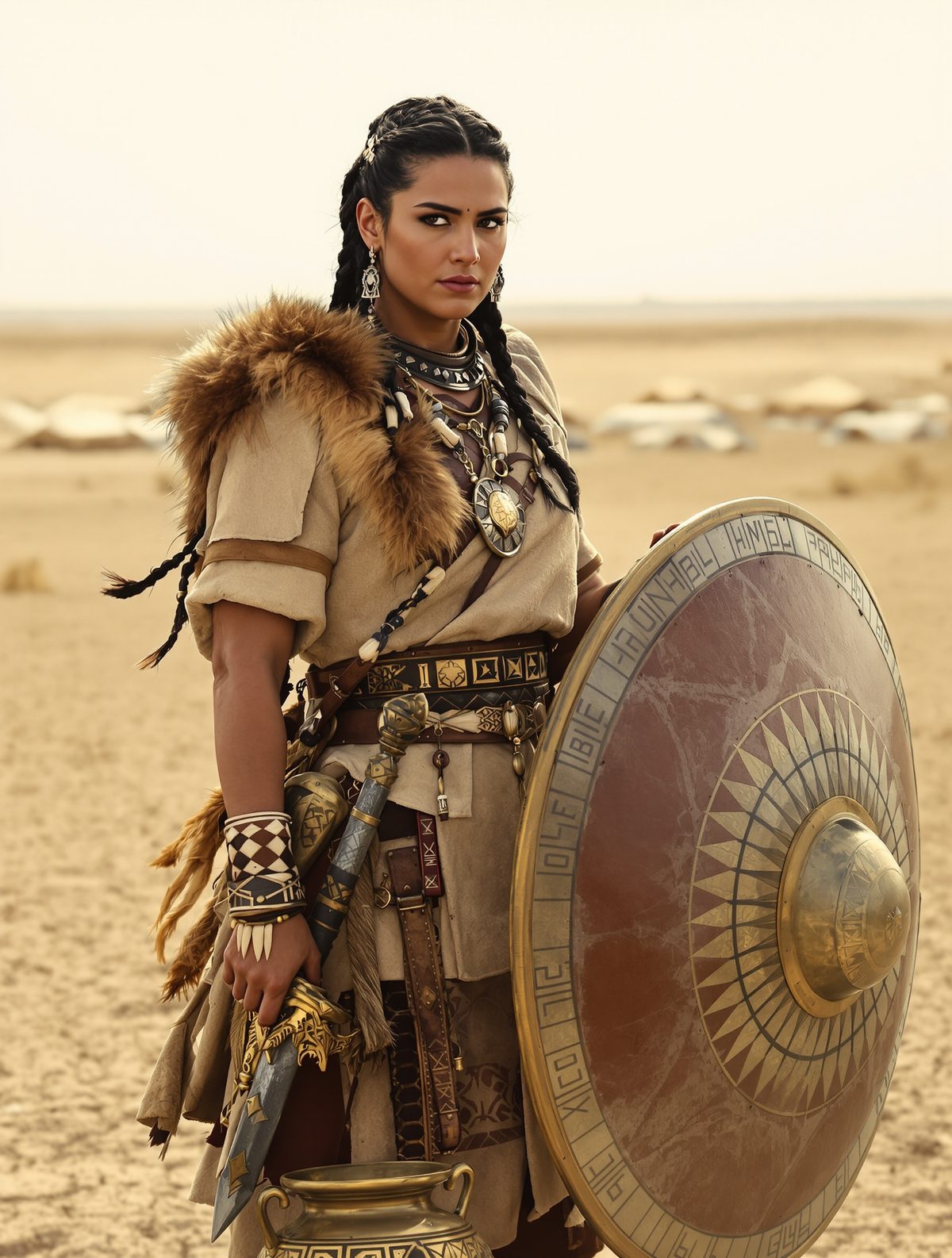
In the dim relays of ancient history, where the great empires clashed and legends were born, one story stands out for its raw audacity and its unexpected outcome. The year was 530 BC. Cyrus the Great, the architect of the expansive Persian Empire, had conquered a vast swathe of territories, subduing powerful realms such as Lydia, Babylon, and beyond. But it was an encounter far to the east, on the fringes of the known world, that would etch an indelible tale of triumph and tragedy in the annals of time. It was here, on the desolate steppes of Central Asia, that a queen named Tomyris rose to meet him, her warnings ringing unheeded in the ears of a king who believed himself invincible.
The Rise of Cyrus: An Empire Born in Conquest
The world in 530 BC was largely shaped by the ambitions of Cyrus the Great. Born as the son of Cambyses I, a minor king of Anshan, Cyrus embarked on a mission that would change the course of history. His conquests were relentless and strategic, beginning with the overthrow of the Median Empire in 550 BC, followed by the captivating fall of Lydia to the west in 546 BC, and then the iconic conquest of Babylon in 539 BC—where he famously freed the Jewish captives, allowing them to return to their homeland. Cyrus's ability to combine military prowess with shrewd governance made him a legendary figure of his time, feared and revered in equal measure.
Yet, it was Cyrus's underestimation of a seemingly peripheral tribe that would herald his downfall. To the northeast, beyond the Oxus River (present-day Amu Darya), lay the lands of the Massagetae—nomadic warriors known for their fierce independence and skill in battle. Leading them was Queen Tomyris, a formidable ruler who was not just a sovereign but a warrior in her own right.
Toward the Eastern Frontier: A Queen's Warning
Determined to expand his empire further, Cyrus set his sights on the Massagetae lands. His initial tactic was to woo Queen Tomyris with a proposal of marriage, a diplomatic maneuver aimed at subjugating the tribe without bloodshed. Tomyris, seeing through the veil of this proposal, rejected it outright, issuing a stern warning to Cyrus. She urged him to cease his ambitions against her people, reminding him of the vastness and unpredictability of the steppes.
The great conqueror, confident in his invincibility, brushed off the warning. He devised a plan to lure the Massagetae forces across the river, where his superior numbers could crush them. According to the ancient historian Herodotus, Cyrus left behind a seemingly abandoned camp, stocked with opulent luxuries and wine, hoping to tempt the enemy into lowering their defenses.
The Battle on the Steppes: Destiny Fulfilled
As predicted, the Massagetae came upon the camp and, overwhelmed by unrestrained celebration, fell into the drunken stupor Cyrus had planned. Unsurprisingly, Cyrus’s forces descended upon them, securing a tactical victory. Among the captives taken was Spargapises, Tomyris's son and an important commander. The young prince, humiliated by capture, took his own life in Persian custody—a tragic turn that provoked a mother’s wrath.
Tomyris, now driven by vengeance, issued a final challenge to Cyrus: to meet her forces in open battle. Underestimating her resolve yet again, Cyrus marched his army to confront the Massagetae, a decision that would lead to his undoing.
On the open and barren steppes, the two armies clashed in what would be among the bloodiest confrontations of antiquity. The Massagetae fought with an intensity borne of desperation and revenge, their tactics honed on survival and remarkable mobility. As the sun set over the battlefield, Cyrus’s army—his pride and proof of Persian might—was devastated, and according to Herodotus, Cyrus himself was killed. Tomyris had not only fulfilled her promise of vengeance but would immortalize the victory with one final gesture.
A Queen's Vengeance: The Gruesome Epilogue
Accounts of what happened next vary in detail but converge in their conclusion: Tomyris ordered that Cyrus’s decapitated head be placed in a bag filled with blood—a symbolic act to quench his insatiable thirst for expansion. This gruesome display was not only a warning to others who might threaten her people but a poignant end to the life of a man whose ambitions had redrawn the map of the ancient world.
Tomyris's victory over the Persian giant sent ripples far beyond the steppes. Cyrus's empire, although vast and influential, was shaken by the death of its visionary leader. The loss was immense, and the story of a queen who overcame one of history’s greatest conquerors became a lasting epic of resistance against overwhelming odds.
Why Tomyris's Stand Still Resonates
In an age where empires rose and fell by the sword, Tomyris’s defiance remains an inspiring testament to the courage of leadership and the power of resolve. Her victory over Cyrus serves as a reminder of the unpredictable nature of human ambition, and how the underestimated can wield great influence over the mightiest powers.
Today, Tomyris is remembered not just as a tactician but as a symbol of resilience and the fight for sovereignty. Her story echoes through the corridors of history, a powerful narrative about leadership, foresight, and the consequences of hubris. In a world where boundaries continue to be drawn and contested, the lesson of Tomyris warns us to heed the voices at the margins and respect the might that lies in every corner of the world.