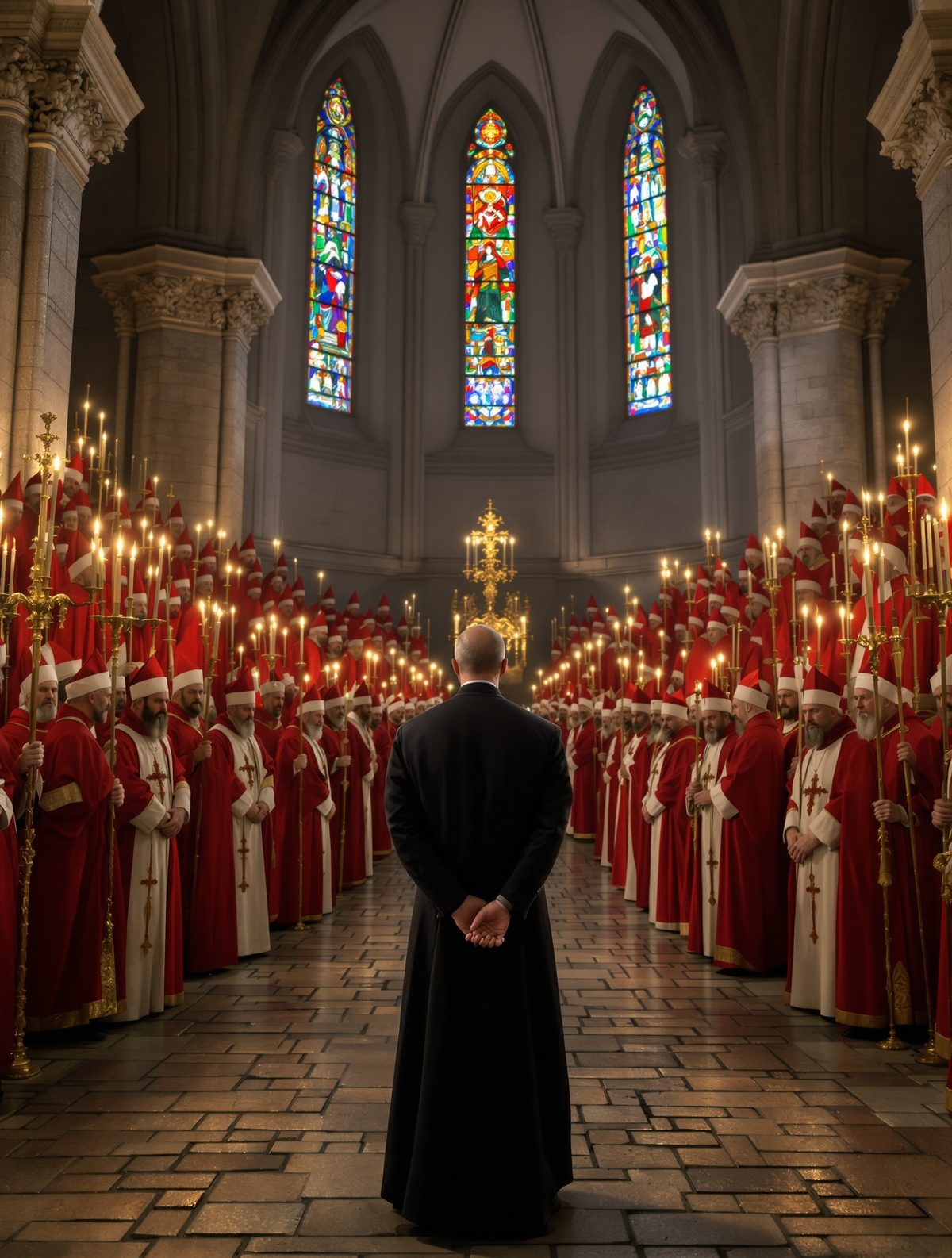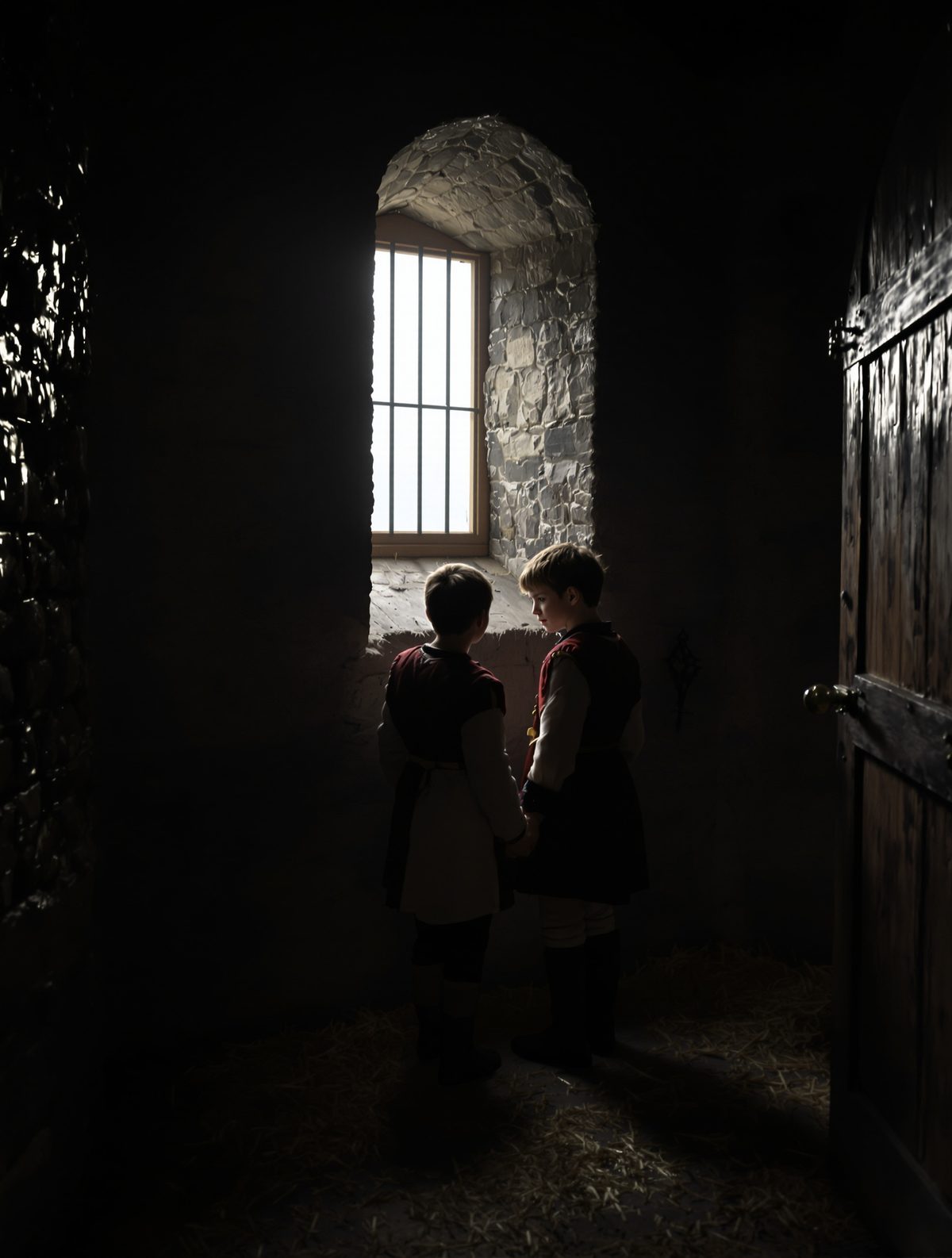
In the shadowy depth of English history lies a mystery that continues to bewilder scholars and captivate the public: the disappearance of the two princes in the Tower of London in 1483. Summer had settled over England, its golden hues casting a deceptive calm over the years of bloody conflict known as the Wars of the Roses. But amid this fleeting tranquility, a new chapter of intrigue and assassination was etched into the annals of royalty — one that remains unresolved over five centuries later.
The Children of a Tormented King
At the heart of this enigma are two innocent boys, Edward V and his younger brother Richard, Duke of York. Born into the royal family embroiled in a tug-of-war for power, their lives were shaped by the tumultuous tides of the English throne. Their father, King Edward IV, had managed to ascend to the crown after a bitter struggle, only to find himself ensnared in continual battles to secure his lineage. When Edward IV died suddenly on April 9, 1483, his throne was bequeathed to his twelve-year-old son, Edward V.
Edward V was just a child, and his path to power was shrouded in a complex web of guardianship and regency, traditionally headed by a close family member. It was his uncle, Richard, Duke of Gloucester, who stepped up to assume this role, ostensibly to act as the custodian for his young nephews. But what unfolded next is a tale laced with suspicion, betrayal, and the shadowy hand of ambition.
The Tower Becomes a Prison
The Tower of London, a stronghold steeped in a thousand years of history, became both a refuge and a prison for the young princes in 1483. Shortly after Edward IV's death, Edward V was escorted to the Tower, nominally as a safety precaution before his coronation. His younger brother, Richard, soon joined him. At first, the public saw them playing within the Tower’s grounds — their laughter punctuating the halls steeped in political turmoil. But as the months turned warm and ripe, the laughter ceased. The once-visible princes vanished from view, their presence in the Tower muting like a tale erased from the pages of history.
By July 6, 1483, their uncle Richard had contrived to have them declared illegitimate, thereby vanquishing their claims to the throne. He was crowned King Richard III in a ceremony marked by subdued celebration and vehement murmurings among those loyal to the memory of Edward IV. The princes, meanwhile, were never seen in public again, their disappearance cast beneath the growing shadow of suspicion residing over Richard’s newfound crown.
Theories, Allegations, and The Unanswered Questions
The stain of the missing princes haunted Richard III throughout his brief reign, fueling whispers of regicide and conspiracy. The disappearance of Edward V and Richard remains one of England's most poignant unsolved mysteries, with a plethora of theories and conspiracies surrounding their fate. Canonical history, fueled by later Tudor propaganda, pointed the finger directly at Richard III, branding him as the merciless architect of his nephews’ demise. However, this conclusion — vivid though it may be — lacks the definitive evidence that history craves.
Some historians suggested that other members of the political echelons had their motives for seeing the princes erased. Among those conjectured as complicit is Henry Stafford, Duke of Buckingham, who had his own aspirations amid the shifting sands of power. Some posited that the act bore the fingerprints of Henry Tudor, whose eventual conquest over Richard at the Battle of Bosworth Field saw him crowned Henry VII, unfurling the era of Tudor reign.
Echoes From the Depths: The Bones in the Tower
The saga of the princes slipped into legend when, in 1674, workmen tasked with renovating the Tower stumbled upon a chilling discovery — two small skeletons buried beneath a stone staircase. Instinctively declared to be the remains of the lost princes, the bones were interred in Westminster Abbey upon the orders of King Charles II. Yet no scientific evidence can conclusively answer whether these were indeed the remains of Edward and Richard.
In 1933, initial scientific examination attempted to affirm their identities, but certainty remained elusive. With the advent of DNA testing, revisiting these remains has been hotly debated. Nevertheless, calls to reexamine the bones have been resisted, preserving the once and future mystery housed in the Tower’s stony embrace.
The Legacy of Lost Princes
The story of the vanished princes endures beyond its initial tragedy. It casts shadows over the legacy of Richard III, a monarch framed by Shakespeare as a Machiavellian villain but recently reconsidered as a ruler beset by his times. The debate over Richard’s culpability embodies not just a thirst for historical truth but a broader inquiry into the nature of power, governance, and the brevity of royal innocence amid ambition’s relentless march.
In an age where new technologies invite reexamination of historical events, the fate of these young princes remains both a poignant reminder and a compelling challenge to historians worldwide. Their disappearance highlights the tenuous balance of power and morality — how oftentimes history remembers not only the deeds themselves but who we decide to hold accountable when the truth lies buried in time’s relentless tide.
As we ponder the fate of the princes today, within the broader tapestry of history, we might find echoes of their ghostly narrative in our present — a reminder of the perils of power pursued without integrity and the unyielding pursuit of justice amid the fog of forgotten tales.