In the vibrant tapestry of the Tang Dynasty, where poetry flowed as freely as the silk of Chang'an's bustling markets, one man dared to weave words that would threaten to unravel the seams of power. That man was Liu Zongyuan, a scholar of incisive wit and daring conviction. In the year 781 AD, he penned a letter that could have cost him his life. Priests called it sacrilege. Ministers whispered of treason. The Emperor of China deemed it deserving of exile. Yet, Liu wrote this letter with a clarity of purpose that continues to resonate across centuries. Welcome to the forgotten story of courage, creativity, and a confrontation at the heart of imperial China that you never read about in your history books.
The Tang Dynasty: A World of Glory and Corruption
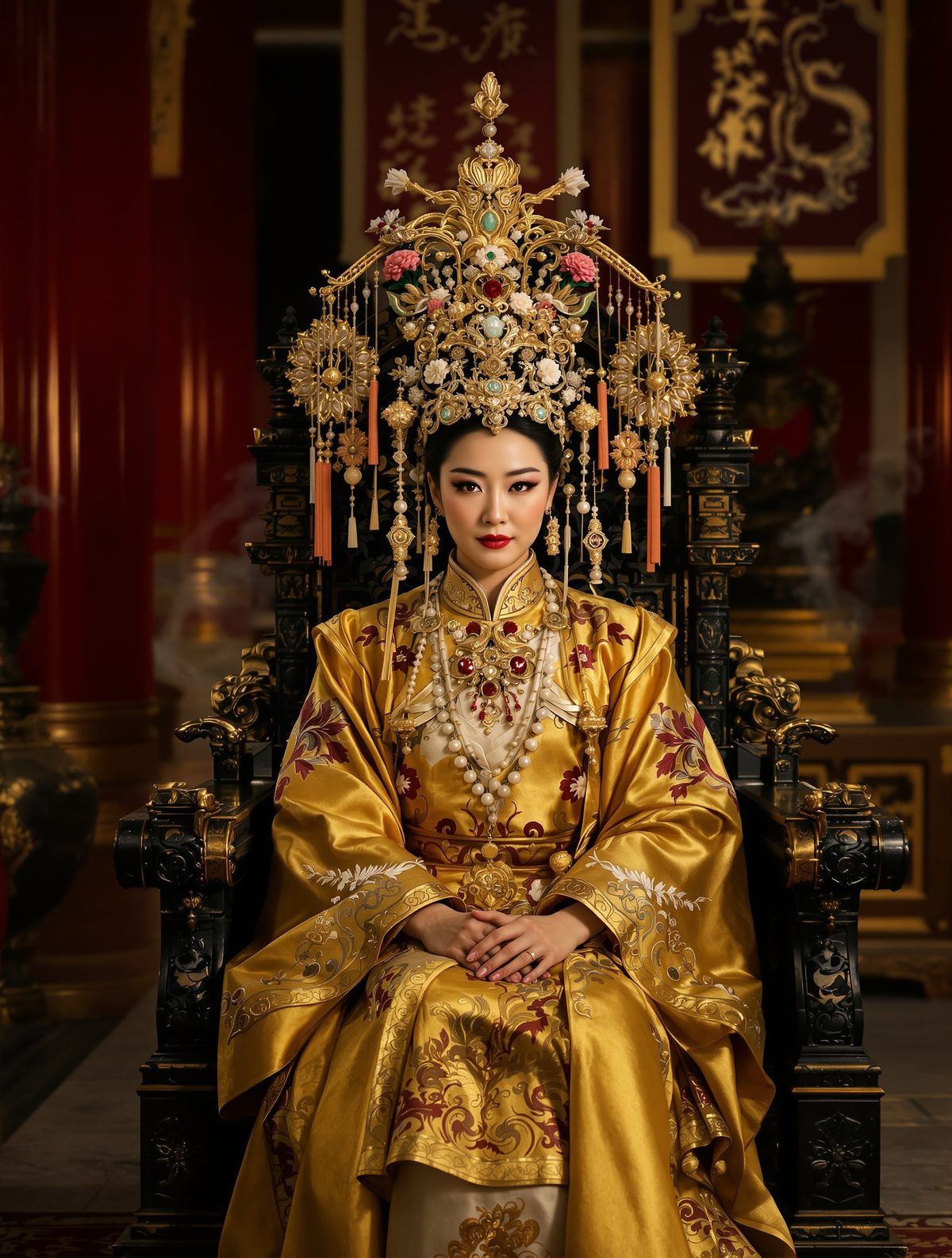
The Tang Dynasty, reigning from 618 to 907 AD, was an era marked by glorious achievements in art, culture, and governance. It was a time when the Chinese empire stretched its influence far and wide, from the oceanic coasts of the East to the arid sands of the West. But beneath the gilded surface of prosperity lurked shadows of corruption. In the opulent courts of Chang'an, where gold and forbidden silk weaved an intricate dance of wealth and decadence, ministers grew fat with power. They orchestrated policies that filled their coffers while draining the empire’s lifeblood.
Amidst this setting stepped Liu Zongyuan, a man of noble lineage and extraordinary intellect. Born in 773 AD, Liu was recognized early for his scholarly talents, swiftly ascending the ranks of civil service. However, unlike many of his peers, he remained unswayed by the temptations of corruption. His pen became a sword, crafting essays that exposed injustices and proposed reforms aimed at restoring the integrity of the Tang rule.
Liu’s Letter: A Perilous Gambit
In 781 AD, at the age of just 28, Liu Zongyuan made a decision that would alter the course of his life. He drafted a letter addressed to the Emperor himself, Tang Dezong. The letter was an open exhortation, denouncing the greed and incompetence festering within court officials. He wrote with unflinching honesty, likening these officials to rabid beasts gnawing at the empire’s roots.
Liu knew well the danger he invoked. The Tang emperors were sensitive to dissent, particularly from the literati who wielded words with the precision of swords. But his choice was not born of naïveté; rather, it was a calculated risk, underpinned by a belief in the emperor's desire for constructive counsel and a better future for the dynasty.
A Sentence of Exile
For Tang Dezong, accustomed to false flattery and obfuscation, Liu’s letter was a jarring wake-up call. Rather than heed the advice, the emperor, nursing a bruised ego, opted for retribution cloaked in mercy. Liu Zongyuan was exiled to Yongzhou, a remote outpost on the empire’s southern periphery, far removed from the imperial grandeur of Chang'an.
Yongzhou, nestled in the heart of modern-day Hunan province, was a fever swamp—a place of oppressive heat, dense forests, and diseases that lurked in the shadows. For many, exile to such a place would have been a death sentence, a slow decay of both spirit and body. Officially, it was a transfer within the bureaucracy. Unofficially, it was banishment to oblivion.
Transforming Isolation into Genius
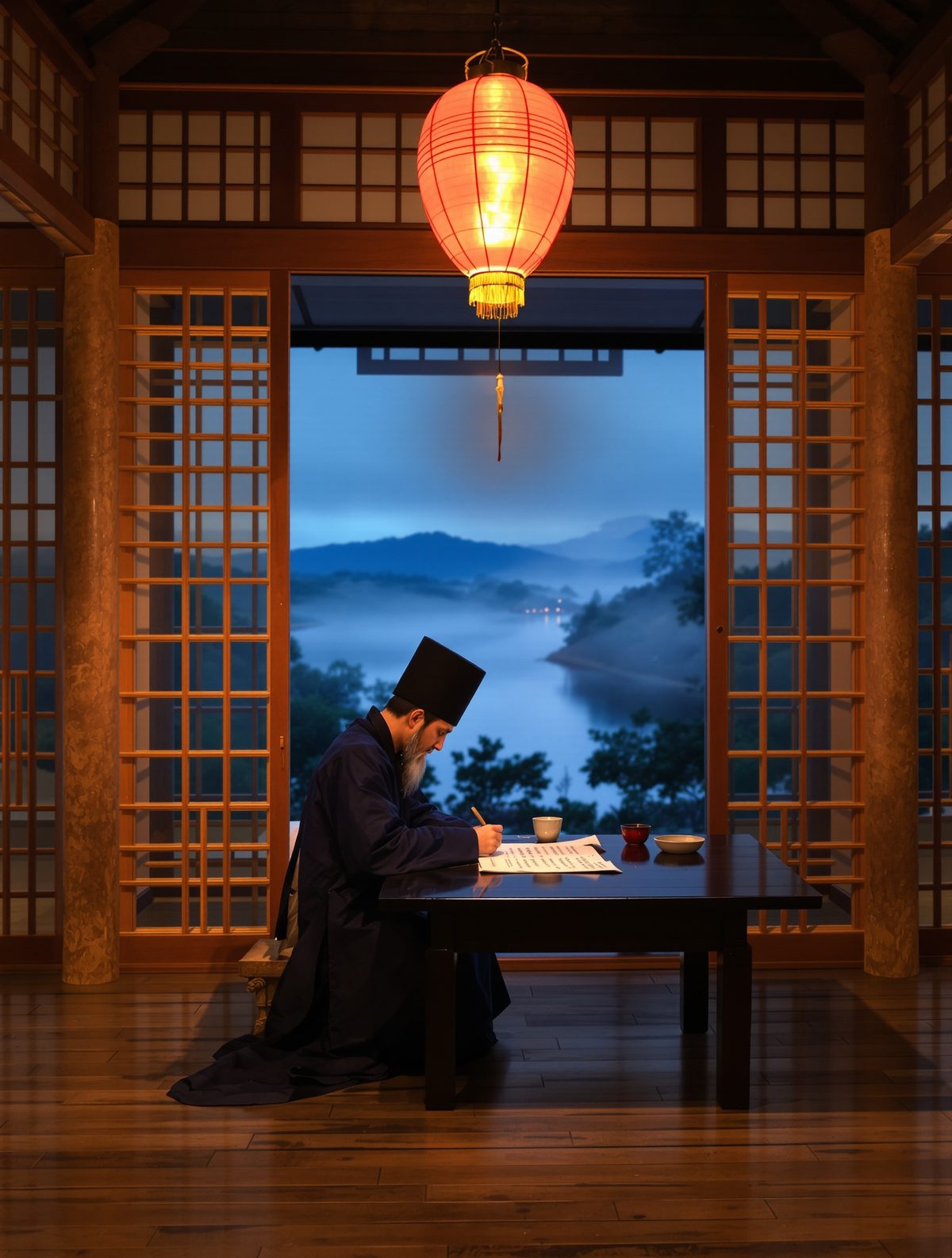
Despite his isolation, Liu Zongyuan remained undeterred. He transformed despair into inspiration, turning the lush and desolate landscapes of his exile into the canvas for his prose. Over the years, Liu penned essays, prose-poems, and narratives that would cement his reputation as one of Chinese literature’s towering figures.
His works from this period, such as "The Eight Records of Yongzhou", delve into themes of nature’s beauty, human fragility, and the quest for moral integrity amidst corruption. Liu’s writing was akin to a flowing river—each piece a reflection that, while serene on the surface, carried profound depths of meaning.
In his essay "The Little Green Mountain", Liu poetically juxtaposed the greenness of nature against the moral decay of society—a subtle yet powerful critique of the Tang administration. His words spread quietly among scholars, inspiring generations with their intellectual courage and vivid imagery.
The Legacy of Integrity
Though Liu Zongyuan never returned to favor at the Tang court, his exile illuminated the path for future reformist scholars. His legacy bridged the historical chasm, inspiring voices throughout Chinese history to wield truth against tyranny and integrity against corruption. Centuries later, his works would be enshrined among the great literary treasures of China, studied not just for their aesthetic merit but as timeless testaments to the power of words.
Today, Liu’s story stands as a testament to the courage required to challenge power—how a single voice, steadfast in truth, can speak against the silence of complicity. At a time when modern parallels of corruption and moral challenge echo, the story of Liu Zongyuan reminds us that even in the darkest of corners, the light of integrity can carve paths that endure through time.
By choosing his pen over capitulation, Liu Zongyuan became more than a man in exile; he became a beacon for those who dare to speak truth to power in any era.