Most people have never heard of Tlacaelel. They should have.
In the shadowy corridors behind the glittering facade of Aztec power, a man who never wore the crown shaped the destiny of an empire. Tlacaelel's story is one of profound influence from behind the throne, an unrecognized force that crafted the very identity of the Aztec civilization. In 15th century Mesoamerica, the Aztecs were but one among many tribes struggling for survival and dominance. Their ascent to empire was neither inevitable nor accidental; it was the result of calculated genius, a story that begins with the flicker of flames consuming history itself.
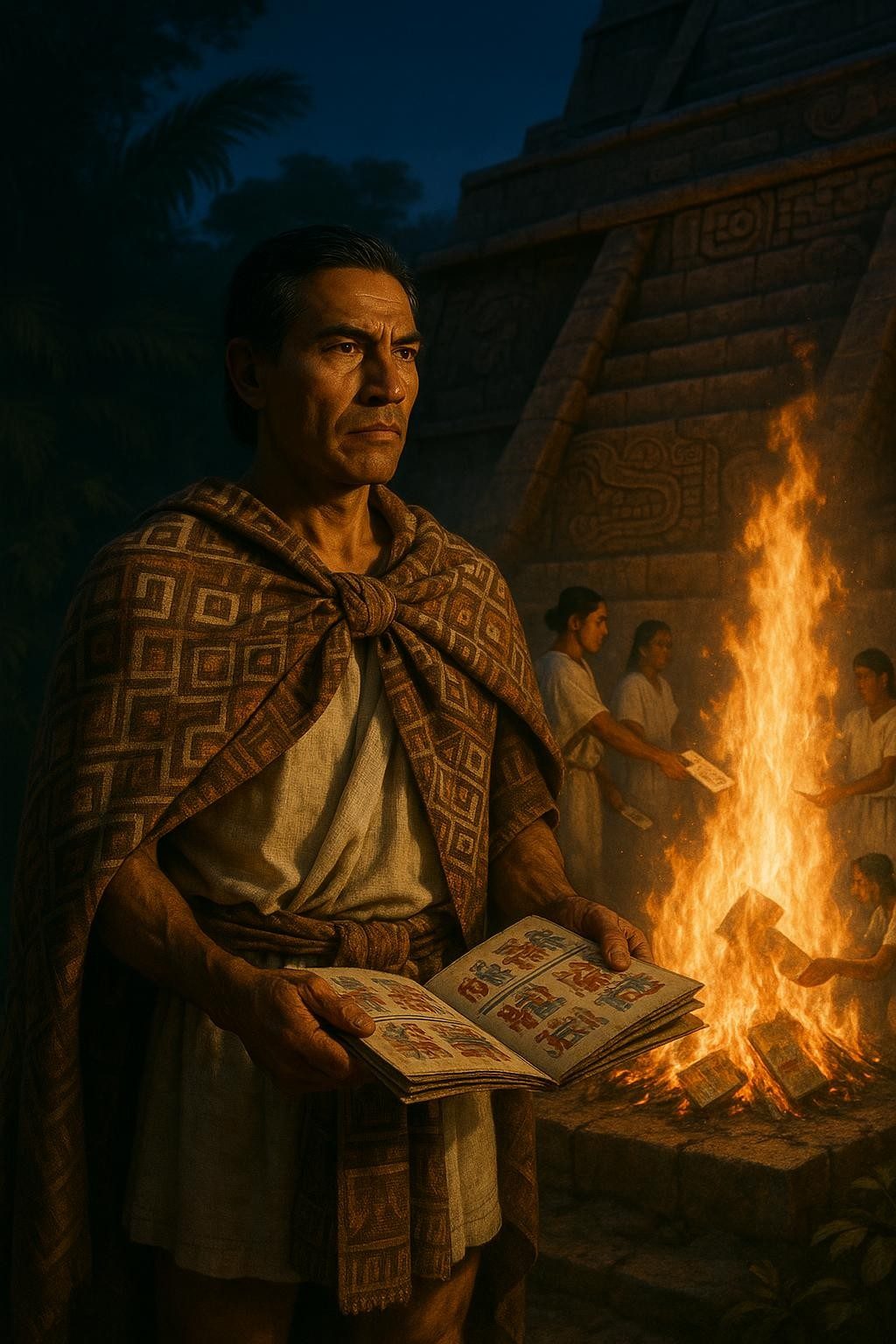
Tlacaelel's most audacious act was to cast the past into the fire. He ordered the destruction of existing historical records, a bold move that erased the old histories of both the Aztecs and the peoples they conquered. To some, this might seem an act of cultural vandalism. But to Tlacaelel, it was an ingenious stroke of statecraft. By wiping the slate clean, he could recast the narrative in a manner that elevated his people to a divine destiny. He understood something profound: history is not just what happened; it's what is remembered. And so, Tlacaelel set about rewriting history.
What Tlacaelel crafted was not just a history but an ideology. The foundation of this new narrative was the notion that the Aztecs were chosen by the gods. This divine selection mandated that they rule, a belief designed to galvanize and unite the burgeoning empire. Central to this mythos was the worship of Huitzilopochtli, the sun god and patron deity of the Aztecs. Tlacaelel positioned him as the primary focus of the Aztec religion, emphasizing human sacrifices as essential to the continuation of the universe. Such practices were not unique in Mesoamerica, but Tlacaelel elevated them to new prominence, justifying them with the divine narrative he had crafted.
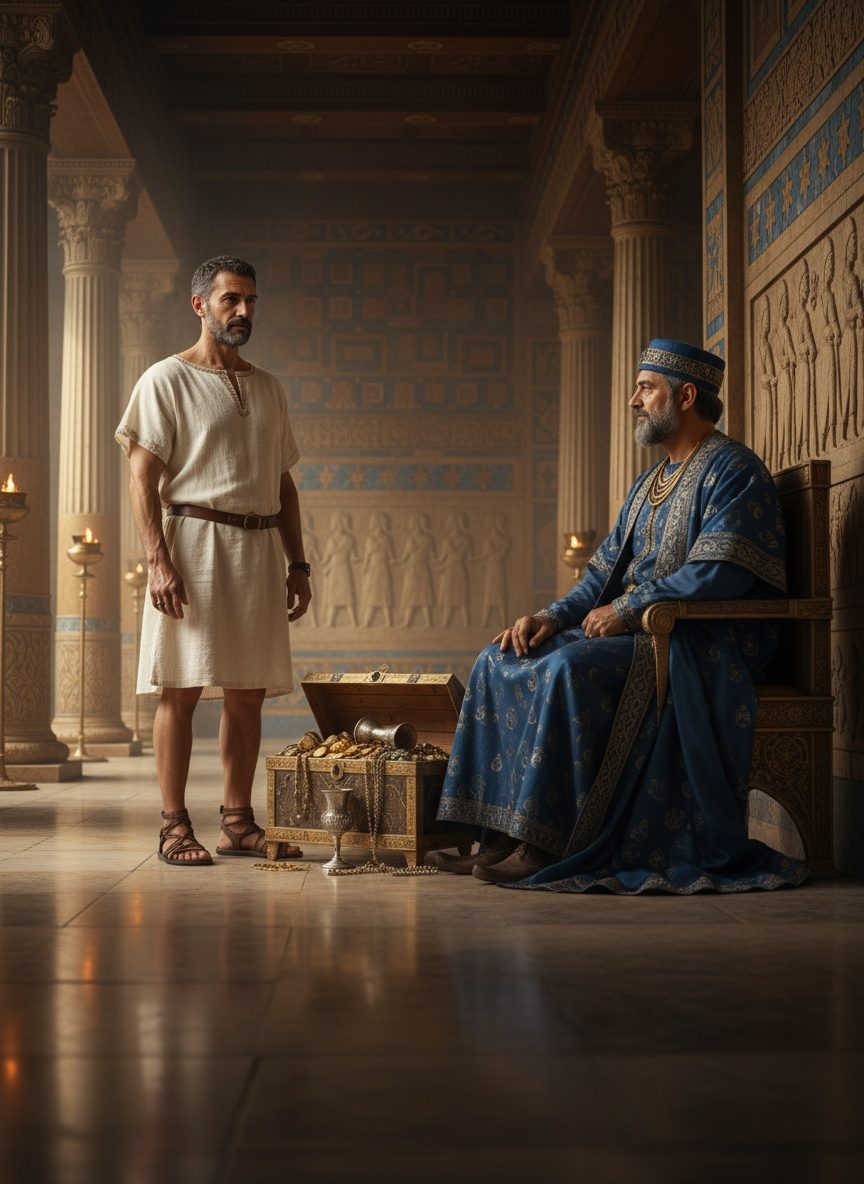
Yet despite his influence, Tlacaelel was never emperor. He occupied the post of Cihuacoatl, a title often likened to a prime minister or chief advisor. From this position, he exercised immense power, advising several Aztec emperors over his fifty-year career. While rulers like Itzcoatl, Moctezuma I, and Axayacatl took the title of Emperor, it was Tlacaelel who was the architect of their policies and the shaper of their ambitions. Under his guidance, the Triple Alliance was forged in 1428—a coalition of city-states led by Tenochtitlán, which would become the cornerstone of the Aztec Empire's rapid expansion.
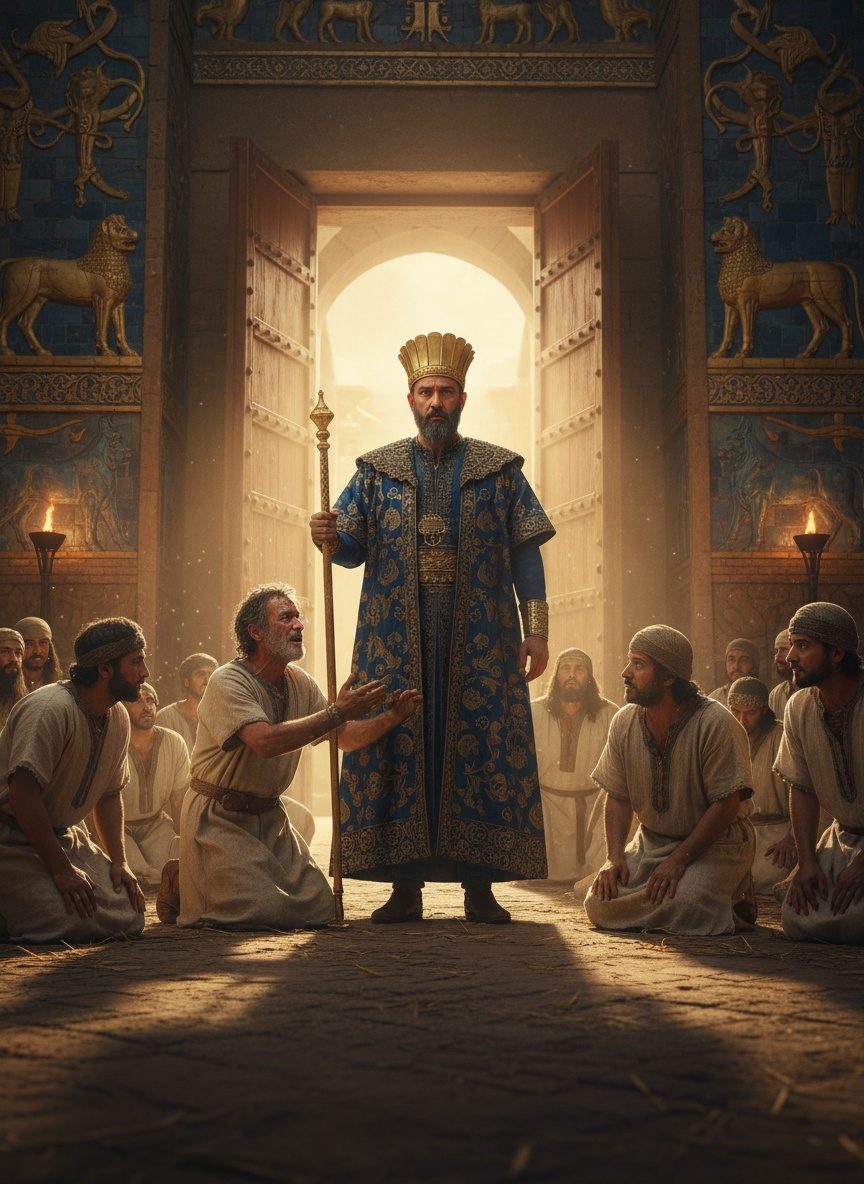
The strength of Tlacaelel's newly minted empire lay not just in its warriors or treasures but in the unifying power of its new identity. His rewriting of history positioned Tenochtitlán as not merely a city but the navel of the world—a place ordained by the gods. Tlacaelel's vision created a cultural and religious framework that permeated Aztec society, a narrative that legitimized their conquests and justified the subjugation of neighboring lands. The Aztec rulers could claim that they were not merely annexing territories but fulfilling a sacred obligation handed down by celestial forces.
His strategies brought not only grand conquests but also a unique form of unity among his people. By instilling a belief in divine chosenness, Tlacaelel fostered a loyalty that transcended tribe and tradition, binding the Aztec peoples with an alloy of ideology and religion. The new historiography glorified the ruler's lineage, inculcated loyalty, and sacralized every campaign, diplomacy, and societal shift as part of a divine cosmic plan.
This audacious rewriting of history didn't end with mere political maneuvering. Tlacaelel's actions had profound societal impacts, drawing the Aztec civilization together with a shared purpose and belief system. While traditional narratives might paint the Aztec as barbaric in their bloody rituals, in Tlacaelel's crafted version, every drop of blood served an essential cosmic role, a necessary offering to keep the world in balance and shown to be a divine duty fixed by destiny.
However, rewriting history also meant crafting a reality that was as fragile as it was formidable. Just as Tlacaelel had once consigned the past to flames, so too could future events undo the tapestry he wove with such care. The power of mythology could elevate, but it could also bind; the very belief systems that held the empire together could prove to be its undoing under pressures for which Tlacaelel's narrative had no answer.
As the century turned and Tlacaelel's influence waned with time, the tapestry he spun remained potent. The grand edifices, the intricate calendar systems, and the bustling markets of Tenochtitlán all stood testament to an empire whose self-image was meticulously crafted, yet it was this same construct that would fail to account for the mythical unknowns—the foreign invaders from across the sea. The Spanish conquest, driven by motivations beyond the scope of Tlacaelel’s divine narratives, would see the Aztec Empire reduced to ruins.
In the annals of history, Tlacaelel's story might be obscured, much like the histories he ordered burned, yet his legacy remains embedded in the stones and stories of the Aztec epoch. His audacity highlights the power of narrative in shaping not only history but the very perception of the divine and the worldly. In a world interconnected by stories and beliefs, Tlacaelel's genius—or folly—reminds us that history is written by those who control the narrative. Though his empire fell, the myths he forged echo still in the pages of history, challenging us to discern the truths we choose to remember. We would do well to remember Tlacaelel, not just as a figure of the past, but as a symbol of history's relentless power to shape the present and future.