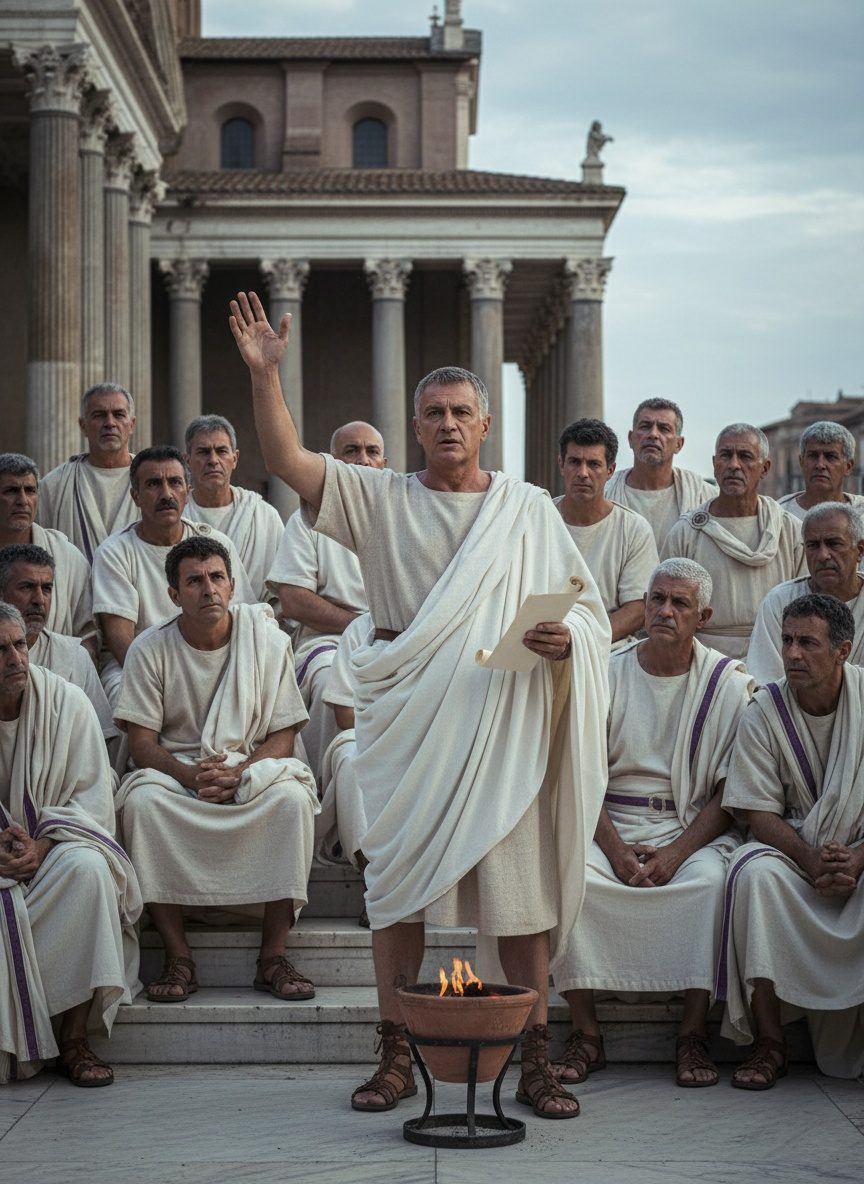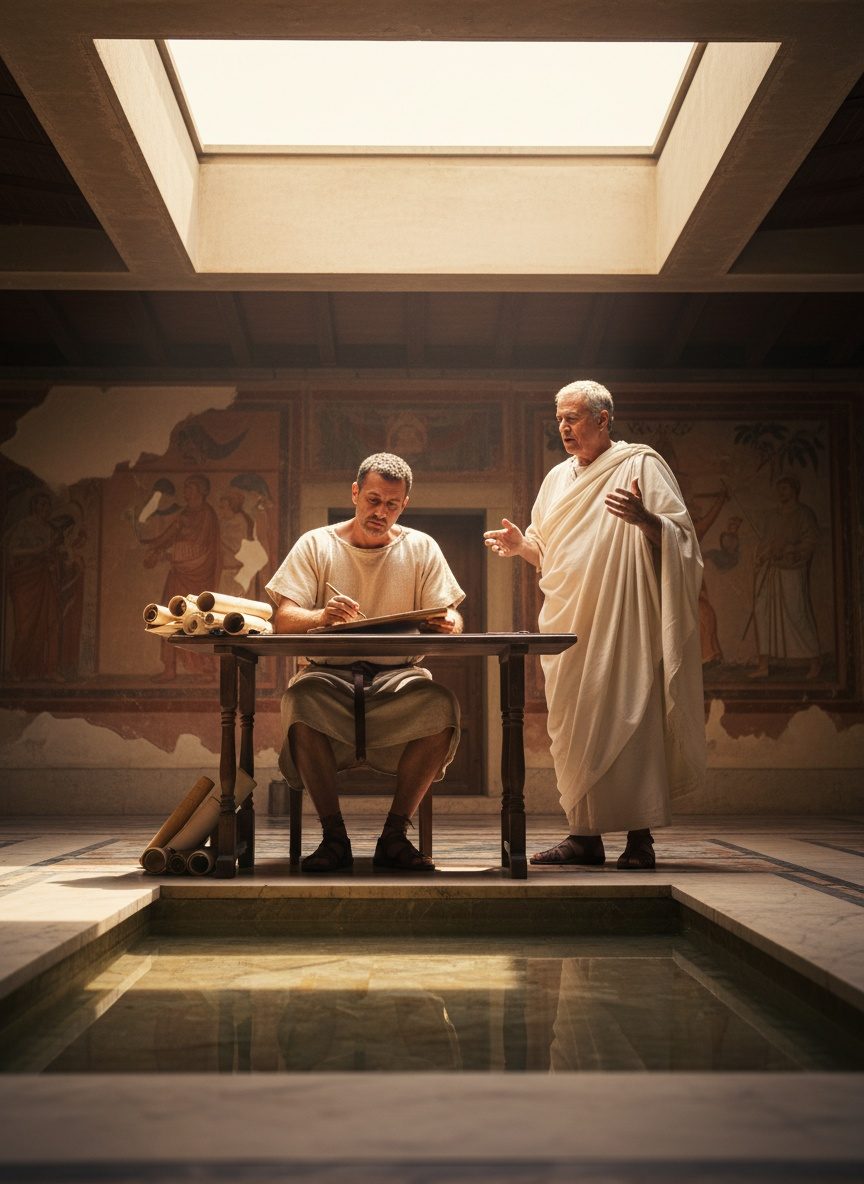
Most people have never heard of Marcus Tullius Tiro. They should have.
To understand why Tiro's name should resonate through history's corridors, we must first picture Rome in 53 BC—a vibrant, powerful epicenter teetering on the edge of political chaos. The great Roman Republic was a sprawling behemoth driven by ambition, intrigue, and intellectual prowess. This was the world in which Marcus Tullius Tiro lived, a world where he started life not as a citizen but as a slave. Embedded within the nobility, Tiro belonged to the household of none other than Marcus Tullius Cicero, one of the greatest orators and statesmen of the time.
Tiro's life story might have ended in obscurity, typical of a slave's fate, yet his contributions turned it into something remarkable. He was not just a passive specter flitting in the shadows of a great man; instead, he became an invaluable asset to Rome's intellectual landscape. The bond between Tiro and Cicero transcended the conventional boundaries of servitude and mastery. Tiro was more than a mere scribe or household servant; he was Cicero's confidant and collaborator.
His most famous contribution came by way of invention. Realizing the demands and speed of Cicero's speeches could not be matched by traditional writing, Tiro developed a new system of shorthand that revolutionized Roman communication. This was not merely a code but a sophisticated system known as "Tironian notes," which captured the spoken word with remarkable efficiency. Though now largely forgotten, this pioneering shorthand would persist across the Empire for centuries, testament to its creator's ingenuity.
Of course, Tiro was not solely defined by his shorthand. He worked alongside Cicero in drafting letters and political documents that swayed the fate of nations. To read Cicero's extensive correspondence—collections still studied for their rhetorical elegance—is to glimpse the invisible hand of Tiro guiding the stylus. Yet, unlike ghosts who haunt by remaining unseen, Tiro's presence was so tangible that Cicero frequently acknowledged him in his writings, demonstrating a rare fusion of respect and affection that defied the hierarchies of Rome's strictly tiered society.
His steadfast loyalty and intellectual gifts did not go unrewarded. In 53 BC, Cicero granted Tiro his freedom. This unexpected twist did not sever their connection; rather, it deepened it. As a freedman, Tiro chose not to forge a path entirely separate but remained with Cicero. This decision speaks volumes about their relationship, underscoring Cicero's reliance on Tiro as well as Tiro's dedication to his erstwhile master.
The staggering breadth of Tiro's life is mirrored by its astonishing length; he lived to the ripe age of ninety-nine, a significant achievement in an era plagued by war, disease, and political turbulence. His endurance mirrors the lasting legacy of his contributions. Tiro’s shorthand was more than a tool; it was a cultural catalysis that allowed Roman bureaucratic and intellectual discourse to flourish. In providing a means to document ideas at the speed at which they were conceived, Tiro imbued the cacophonic assembly of thoughts with permanence.
Though less celebrated, Tiro's story parallels that of other great inventors who alter the course of history not with grandiose gestures but with quiet, foundational work. His life serves as a touching reminder of the potential that lies dormant in the overlooked and oppressed, ready to blossom under the right conditions. Cicero, too prominent a figure to overlook Tiro, recognized his potential and inadvertently amplified it by granting him freedom. In this regard, Tiro's life reflects the broader strokes of the Roman world—fantastic innovation often springing from unexpected quarters, unfurling amid the backdrop of a grand civilization.
Reflecting on the quiet yet monumental life of Tiro urges us to reconsider the face of innovation and legacy. His is a story caught between shadows and light—a reminder that history is not just the recollection of heroes but the aggregate of smaller, essential acts performed by those who helped bear the torch of civilization forward. Tiro may have written each word to immortalize his master's genius. Ironically, it was these same words that ultimately set his own memory free.