He was the king of a vast empire. Yet, he underestimated the mettle of a seemingly insignificant Roman army standing before him.
The Laugh from the Hill
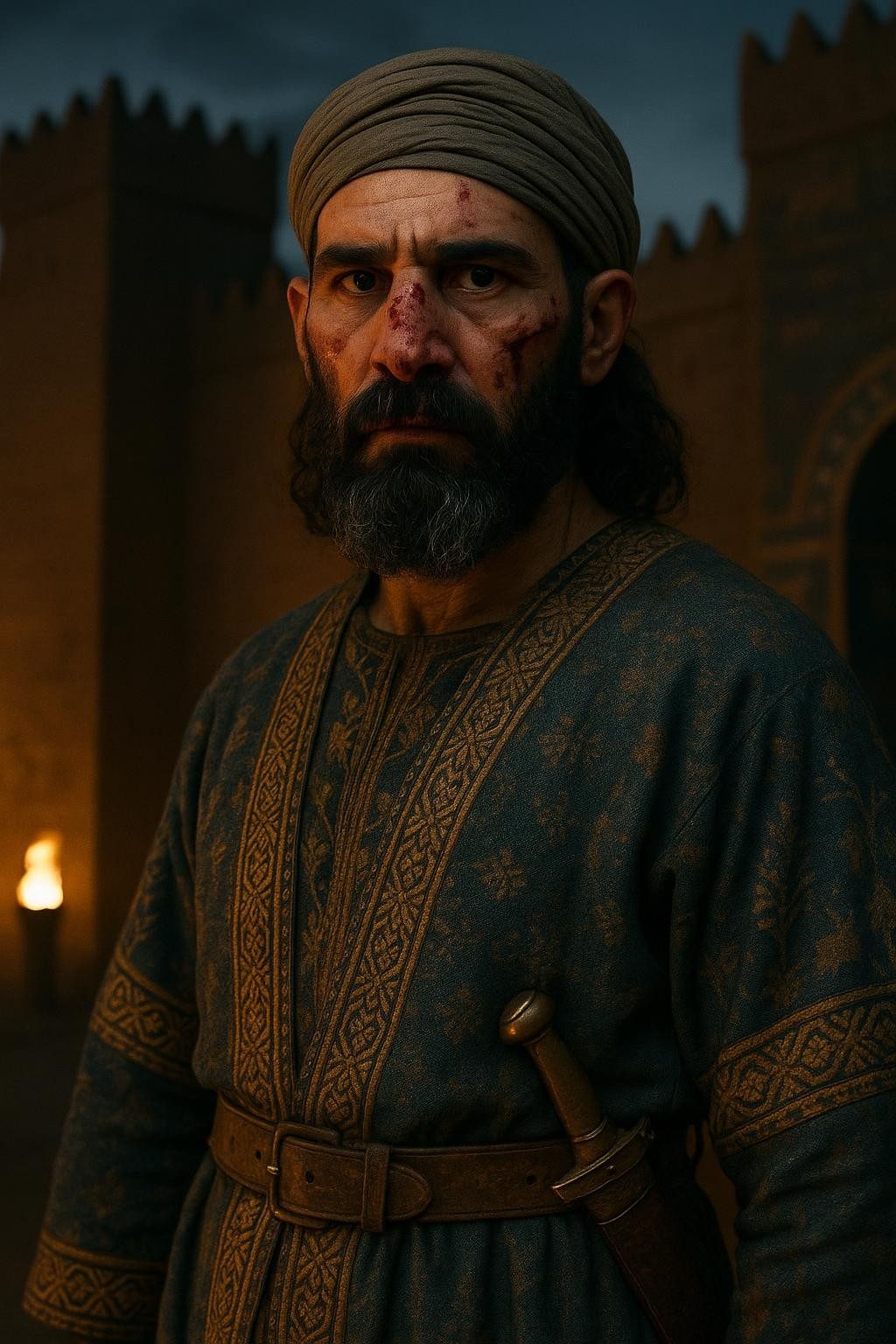
Tigranes the Great of Armenia was a ruler whose very name struck fear across regions stretching from the Caspian Sea to the Mediterranean. At the zenith of his power, his empire was a sprawling mosaic of cultures and conquests, a testament to his military prowess and political acumen. However, on that fateful day in 69 BCE, Tigranes found himself overlooking the advancing forces of the Roman Republic with a sense of disdain.
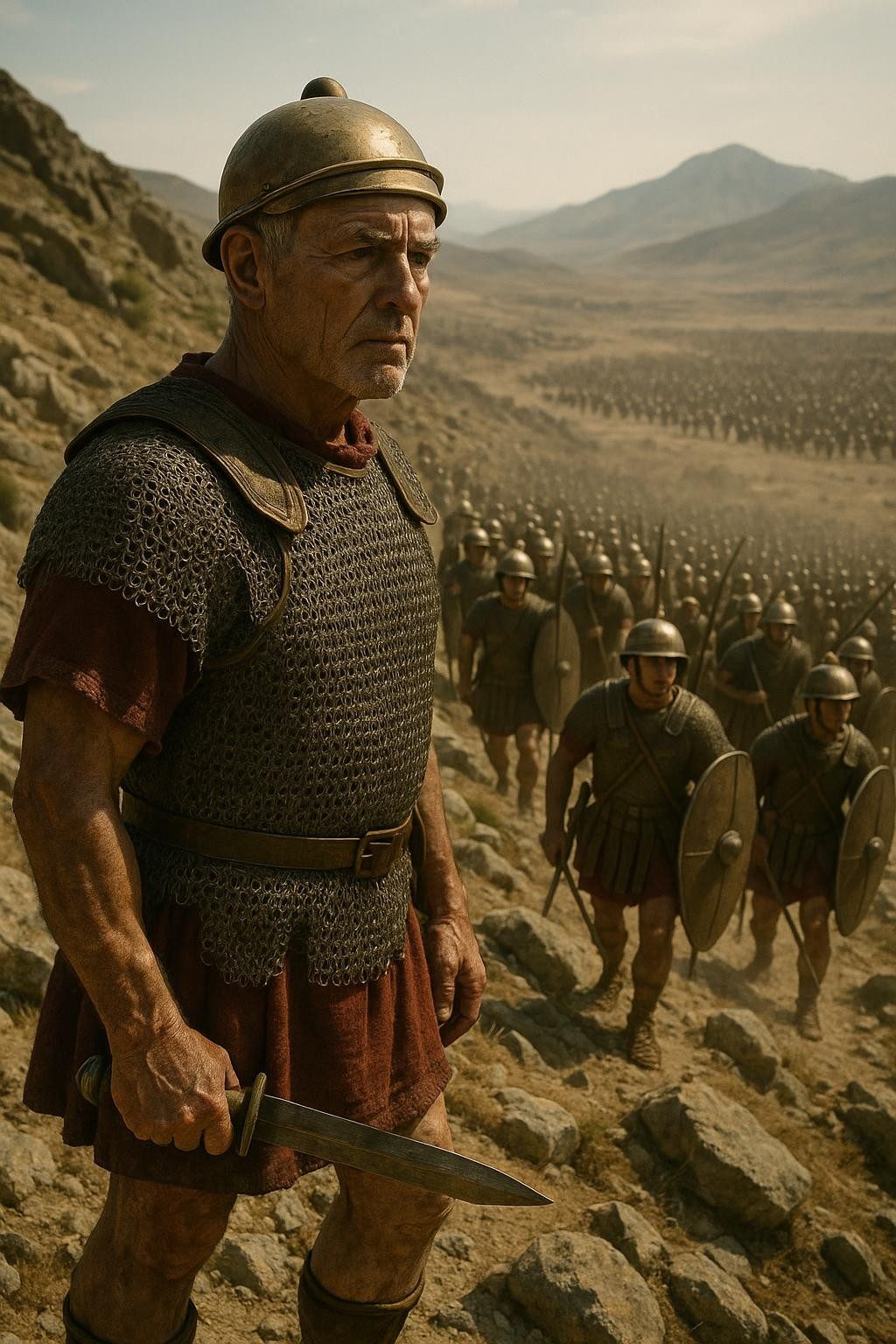
What he saw was commanded by the deft Roman general, Lucius Licinius Lucullus. Lucullus brought with him an army that seemed paltry. 10,000 Roman soldiers, a fraction compared to Tigranes's alleged 300,000 strong. The Armenian king, witnessing the small contingent moving toward him, reputedly quipped with laughter that the Roman presence was neither a force to be reckoned with nor a formal delegation to engage. His confidence grew on that hill, fortified by the sheer might of the numbers he commanded.
The Roman Art of War
The Roman army, with tactics honed through centuries of disciplined warfare, relied on far more than sheer numbers. Their legendary abilities in strategic planning, formations, and precise military maneuvers often turned the tides of battles that seemed insurmountable. Lucullus, despite facing a numerical disadvantage, held an understanding of warfare that transcended mere arithmetic.
Looking up at Tigranes from the valley below, Lucullus decided upon a bold tactical maneuver: a direct uphill attack, a seemingly reckless decision that anyone familiar with the norms of ancient warfare would have deemed foolhardy. But this was the Roman art of war—calculated, audacious, and often victorious against the odds.
The Clash at Tigranocerta
The battleground near the ancient city of Tigranocerta erupted into a theater of war that day, one where the power of strategy would meet the might of numbers. The Armenians, confident in their numerical superiority, found themselves confronting the disciplined Roman legions head-on as Lucullus led his men into a charge against the Armenian ranks.
What transpired was more than just a clash of arms. The heavily fortified city of Tigranocerta, with its walls believed to be impregnable, served as the backdrop to a scene where Roman discipline disrupted the Armenian host at every turn. The Romans utilized their formations to create gaps in the Armenian lines, channeling chaos through the ranks of Tigranes's vast army. Each Roman soldier, a cog in the greater war machine, functioned with lethal precision amidst the dust and roar of battle.
The Turning Point
As the battle raged, it became increasingly clear that Tigranes’s assumptions were wrong. The mass of his army, slowed down by its own size and cumbersome organization, could not effectively respond to the nimble Roman maneuvers. The once-laughter-filled hill became a spectator to a different outcome as panic and confusion began to ripple through the Armenian ranks.
In a matter of hours, the battlefield turned quiet. Echoes of clashing steel were replaced by the sound of retreat. Tigranes, witnessing the unfolding defeat, understood the cost of underestimating his opponent. The victory of Lucullus and his men was complete; not just a military triumph, but a strategic masterstroke that would leave its indelible mark on the annals of history.
The Ripple Through History
This singular encounter between Tigranes's vast army and the comparatively minuscule Roman force reshaped the geopolitics of the ancient world. The scales of Roman influence tipped further into the East, marking the decline of Armenian power and heralding an era where Roman strategy and discipline would echo far and wide.
Tigranes's defeat stood as a reminder of Rome's relentless pursuit of dominance, where strategic brilliance often overshadowed mere numerical strength. The events at Tigranocerta, rich with lessons on leadership and warfare, underpin the narratives of many battles where the impossible became possible through daring tactics and unwavering resolve.
As Tigranes stared down from the hill, he had witnessed more than just a military defeat. The laughter that preceded the clash would never quite echo the same, for he learned that even the mightiest must heed the unseen power of strategy. In the ages to come, the story of that day would remind future civilizations of the intricate dance between hubris and calculated risk on the battlefield.