He was a philosopher known more for his stubborn resolve than for the softness of his robes. Musonius Rufus, confronted by the tyranny of Rome's most infamous emperor, chose a path fewer would dare trod—refusal to be muzzled, even in the barren isolation of exile.
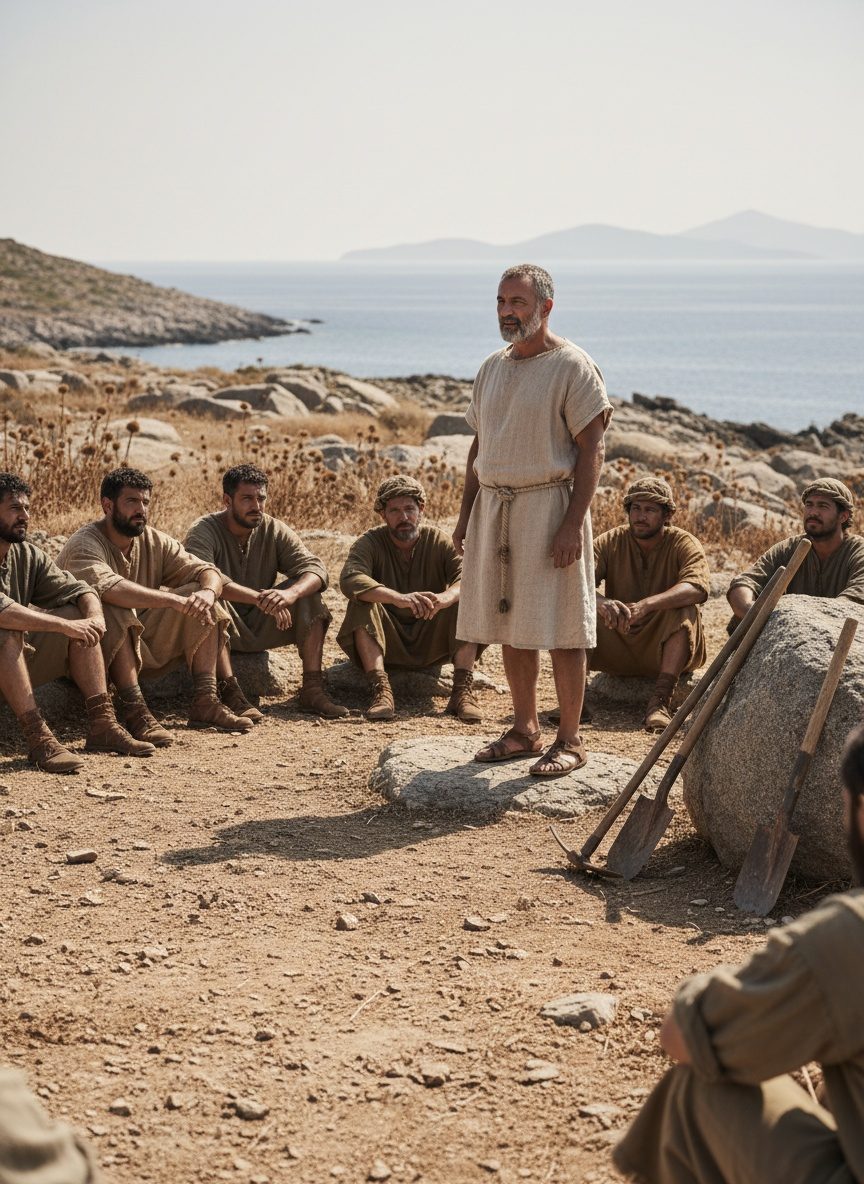
The Roman Empire at the time of Nero was not a place for those who prized intellectual freedom. By 65 AD, Nero’s grip on power had become increasingly hostile towards dissent, paranoid whispers leading to a sweeping decree that effectively exiled philosophers from the capital. Musonius Rufus, however, was less concerned with basking in the Pontifex's favor than with nurturing the minds around him. Sent away to dig ditches and canals on a remote Greek island, his response was characteristically defiant and ingenious: he continued to teach.
Evenings transformed into impromptu symposiums under the cloak of dusk. During heavy days of labor, his words became sustenance, illuminating the shadows cast by the ruthless forces that surrounded them. What exactly made Musonius’s teachings so compelling that even Roman guards found themselves as students? It wasn’t just the discipline he advocated, though the practical lessons from Stoicism undeniably added structure to their otherwise brutal existence. Rather it was his embodiment of the very virtues he espoused that drew attention—a living testament to the power of the human spirit unswayed by circumstance.
Musonius Rufus, though perhaps lesser known today than figures like Seneca or Marcus Aurelius, was a linchpin in the evolution of Stoic thought. His philosophy did not dwell in the realm of esoteric theory but was deeply intertwined with the earthy realities of everyday life. To laborers conscripted to dig the dry and inhospitable terrain, he offered a radical idea: that a meaningful life could be carved not through status or power, but through virtues like courage, wisdom, and self-control. These teachings resonated especially in the presence of adversity, plucking at the heartstrings of those whose lives were reduced to physical toil.
But how did Musonius manage to change the landscape of thought from such a desert of opportunity? He viewed philosophy not merely as a subject for debate but as a guiding principle for action. Each evening, as calloused hands set down their tools, Musonius emphasized the power of choice. 'True wealth,' he spoke to his listeners, 'comes not from what you own but from who you are inside.' For laborers who owned nothing, this was a revolutionary prospect. The philosophy of Musonius rippled outward, integrating itself into the very bones of their daily life.
Even the Roman soldiers who oversaw these exiled workers were not immune to the pull of Musonius's lessons. As initially suspicious guards were reduced to attentive listeners, the absence of authoritarian reinforcement became fertile terrain for the seeds of wisdom to blossom. There is a peculiar power in truth, an insistence that even the steel of an iron fist struggles to suppress. By day, Musonius complied with the emperor’s order with quiet resilience. By night, he waged a different kind of war—one that reshaped the minds and hearts alongside Greek soils.
Among those who sat at his feet was an enslaved man named Epictetus, who would later emerge as one of history’s most acclaimed Stoic philosophers. Under Musonius’s wing, Epictetus found the tools that would crystallize his own philosophical convictions. The teachings that began with a few disenfranchised individuals on a secluded island expanded far beyond its limits, echoing through history with a resonance that would even penetrate the ivory of academia and empire alike.
Musonius Rufus’s unwavering adherence to his principles, even amidst exile, illustrates an enduring theme in history: true power lies not in capitulation to tyranny, but in steadfast allegiance to truth. As modern readers envision the evening gatherings silhouetted by flickering torchlight against deteriorating stone walls, they can glimpse the enduring hearth from which transformational ideas were kindled. The legacy of Musonius Rufus reminds us that even in times of extreme repression, there exists an immutable space for humanity's greatest gift—the restoration of dignity through knowledge, dedicated camaraderie, and enduring wisdom.
Real change is rarely forged from halls of power; it often grows from the margins, from whispered convictions shared in shadows away from the tyrant's gaze. We can learn as much from those considered powerless as we can from emperors; for in those quiet moments on that Greek island, teetering outside the precipice of history, Musonius Rufus performed more than mere defiance. He cultivated a garden where philosophy could flourish amidst constraint, shattering chains not with brute force but with the penetrating clarity of unwavering belief. As we marvel at this, may it encourage us to delve beyond the annals of grand headlines, to seek out the voices that history didn't silence—the ones that strength of spirit, unbendable resolve, immortalized in the hushed spaces between history's relentless march.