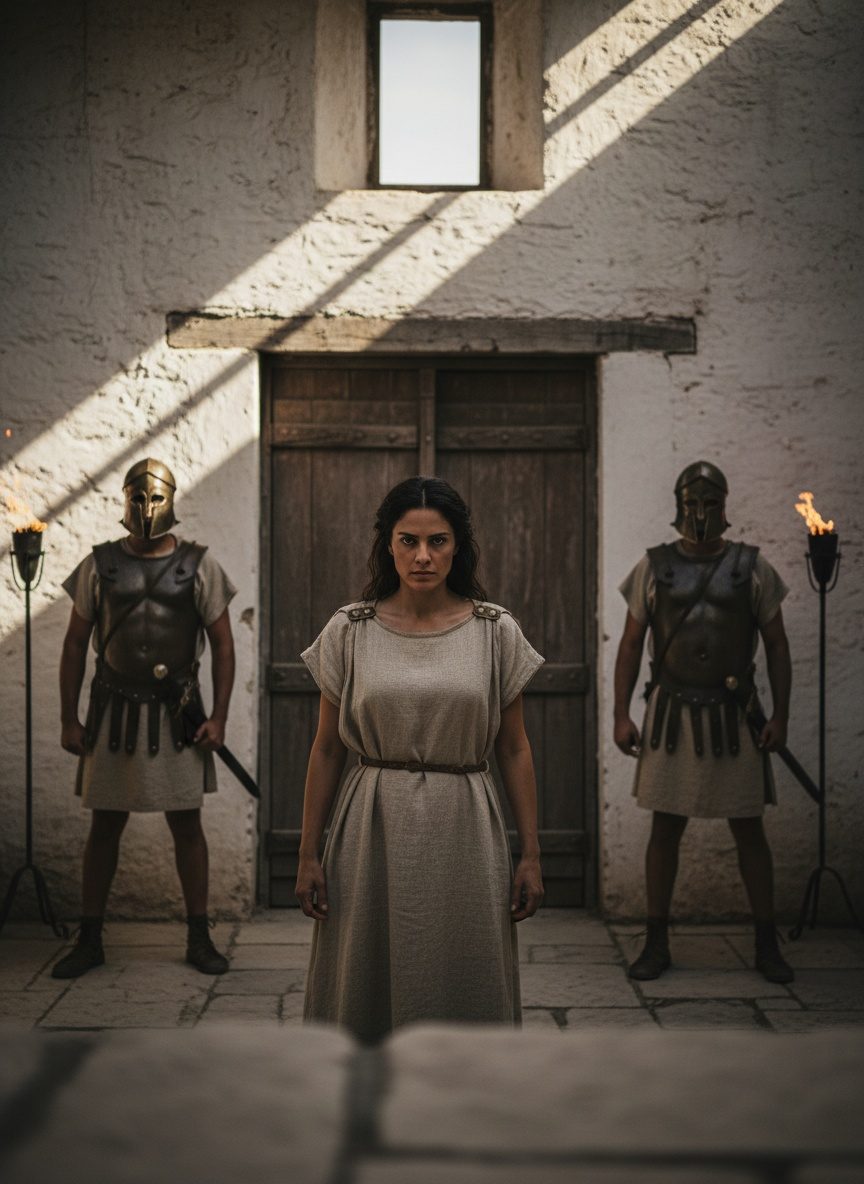
The morning sun glinted off the shimmering surface of the Bosporus, casting a golden hue over the bustling city of Constantinople. The clatter of hooves and the chatter of merchants filled the air, underscoring the vibrant pulse of the Byzantine capital. Amidst this cacophony, a young woman prepared to carve her name into the annals of history. As the daughter of a bear keeper in the shadow of the hippodrome, Theodora's beginnings were far removed from imperial grandeur. Yet it was in the heart of this city, where the fortunes of empires were made and unmade, that she would defiantly shape her destiny — and that of the empire itself.
To understand Theodora, one must first imagine the dusty, frenetic world of the circus: a realm of clashing voices, the roar of beasts, and the intoxicating scent of sweat and earth. Born into this chaotic milieu, Theodora learned the arts of survival and performance early. Her father, a humble bear keeper in the great Hippodrome, provided for his family amidst the swirling dust of the arena ground. From this childhood in the margins of Byzantine society, Theodora absorbed the lessons of grit and resilience, skills she would later wield with remarkable effect when modern civilization hung precariously in balance.
Her path to power was as unorthodox as it was meteoric. Emerging from the din and spectacle of the Hippodrome, Theodora's sharp wit and undeniable charm soon led her onto a different stage. In her early days, she worked as an actress, a term encompassing a range of endeavors from theatrical performances to the more salacious world of courtesans. Yet, Theodora was not content with simply captivating audiences; her aspirations stretched far beyond the footlights. Ambition and circumstances found their perfect alignment when she encountered Justinian, a rising political star whose path would intersect fatefully with hers.
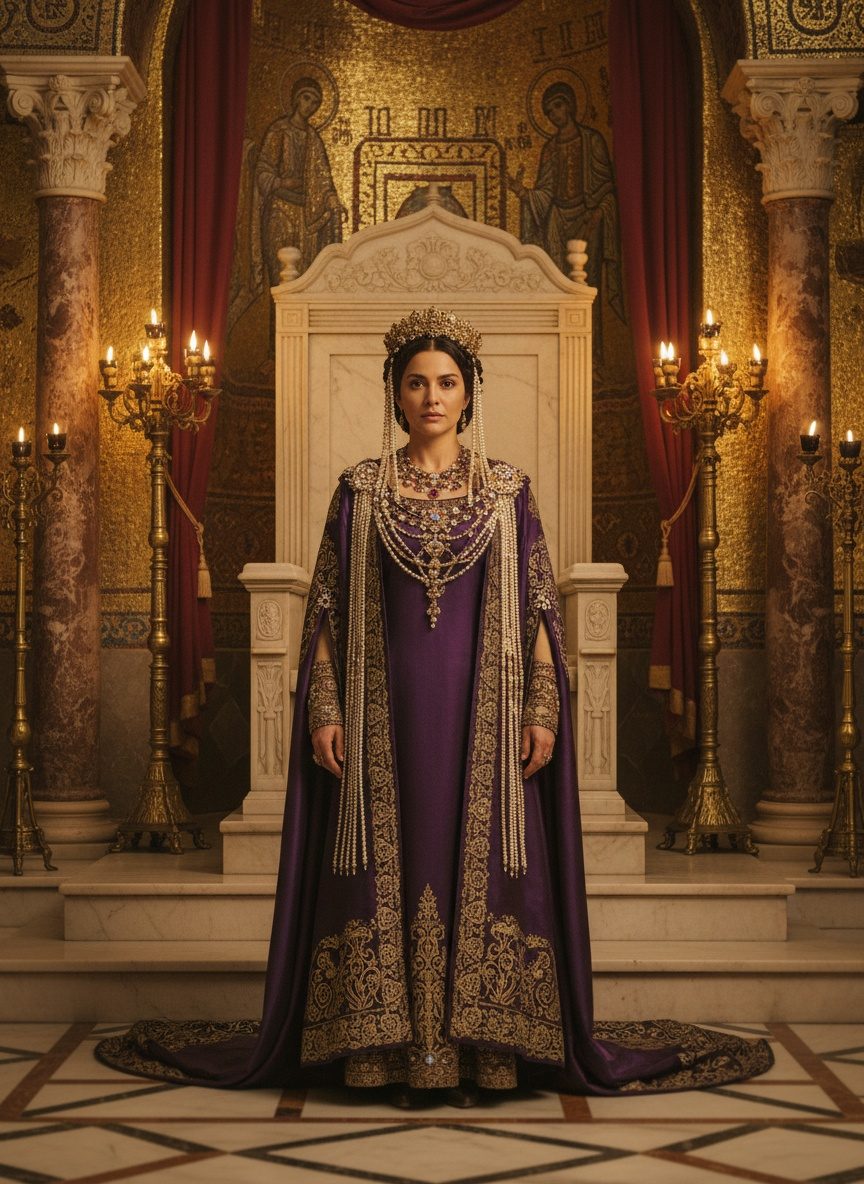
It was not long before Theodora's indomitable spirit left an indelible mark on Justinian, swaying his heart and influencing his decisions. Her ascent to Empress was nothing short of revolutionary. Despite objections, perhaps because of her unsanctioned origins, Justinian secured legislation that allowed him to marry his former courtesan love, thus elevating her to the status of his most trusted confidante. Seated beside Justinian, Theodora did not merely serve as a ceremonial appendage. Instead, she became a formidable political force, her intelligence and insight proving invaluable as the couple navigated the complex diplomatic waters of the Byzantine Empire.
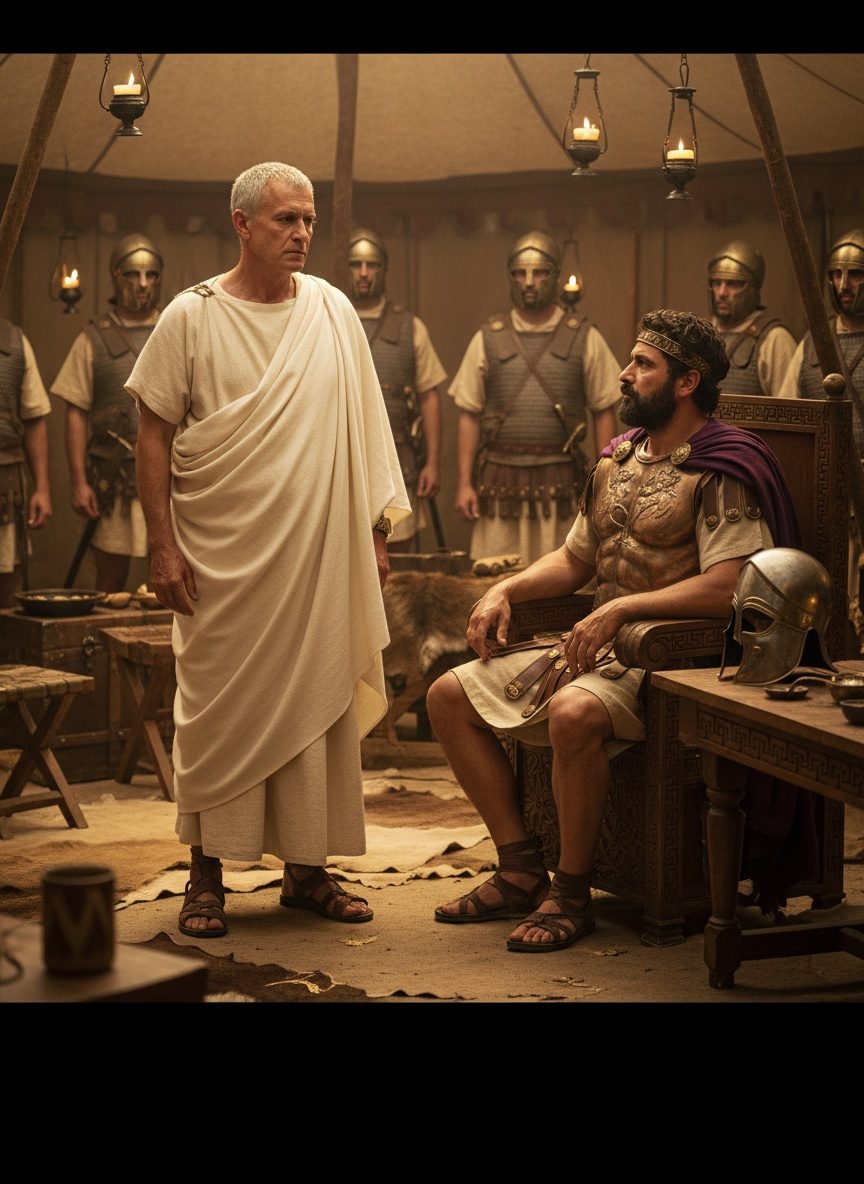
Yet it was in the year 532, during the infamous Nika Riots, that Theodora's legacy was truly forged in the crucible of crisis. Constantinople, frequent target of civil unrest and Byzantine intrigue, erupted in chaos — a seething turmoil stoked by rivalry and political disenchantment. The furious crowds, spurred on by factions known as the Blues and the Greens, laid siege to the city, threatening to topple the ornate palaces and towers. Facing the blaze of rebellion, with flames licking at the edges of the empire, Justinian and many of his advisors contemplated retreat, anticipating an ignominious end either by fire or the sword.
In this moment of existential peril, Theodora's voice, firm and unwavering, cut through the din of counselors clamoring for evacuation. Tradition records that she declared her preference for a noble death over life without honor, exhorting those present with words that resonated with unshakable resolve: a purple shroud, the imperial symbol, was the noblest of garments in which to die. Through sheer force of will and conviction, she steeled the resolve of her husband and his ministers, quelling their cowardice with her courage. Her speech, as stirring as it was decisive, persuaded Justinian to stay, regroup, and ultimately subdue the insurrection.
Theodora's influence rippled beyond her words in the throne room that fateful day. As empress, she championed social reform, extending greater rights and protections to women often relegated to the peripheries of power. Her policies reflected an empathy for the marginalized forged from her own experiences, leading to initiatives that expanded women's rights in divorce and property ownership. Moreover, she was instrumental in advocating for religious policy and offering safe harbor to the Monophysites — an act of political and religious significance defying orthodox convention.
Through adversity and vilification, Theodora remained a presence to be reckoned with until her final days. Her journey — from the daughter of a circus bear keeper to one of the most powerful women in the Byzantine Empire — defies tidy categorization, much like the very city over which she presided. In the sprawling maze of Constantinople, where east met west, her legacy served as a beacon, testifying to the unrealized potential lying within each individual, transcending the barriers of birth and circumstance.
Theodora's tale captivates not purely because of the meteoric nature of her ascent but more compellingly for the ways she wielded her hard-won power. She stands as an exemplar of agency in a world where few women wielded influence, reshaping perceptions and policy alike. In an empire where the wheel of fortune spun with relentless, unpredictable force, Theodora's life reminds us that destiny, once seized, can not only be transformed but can transform the world around it. As modern society continues to wrestle with the interplay of influence and integrity, her story offers a complex yet compelling reflection on the nature of power, resilience, and legacy.