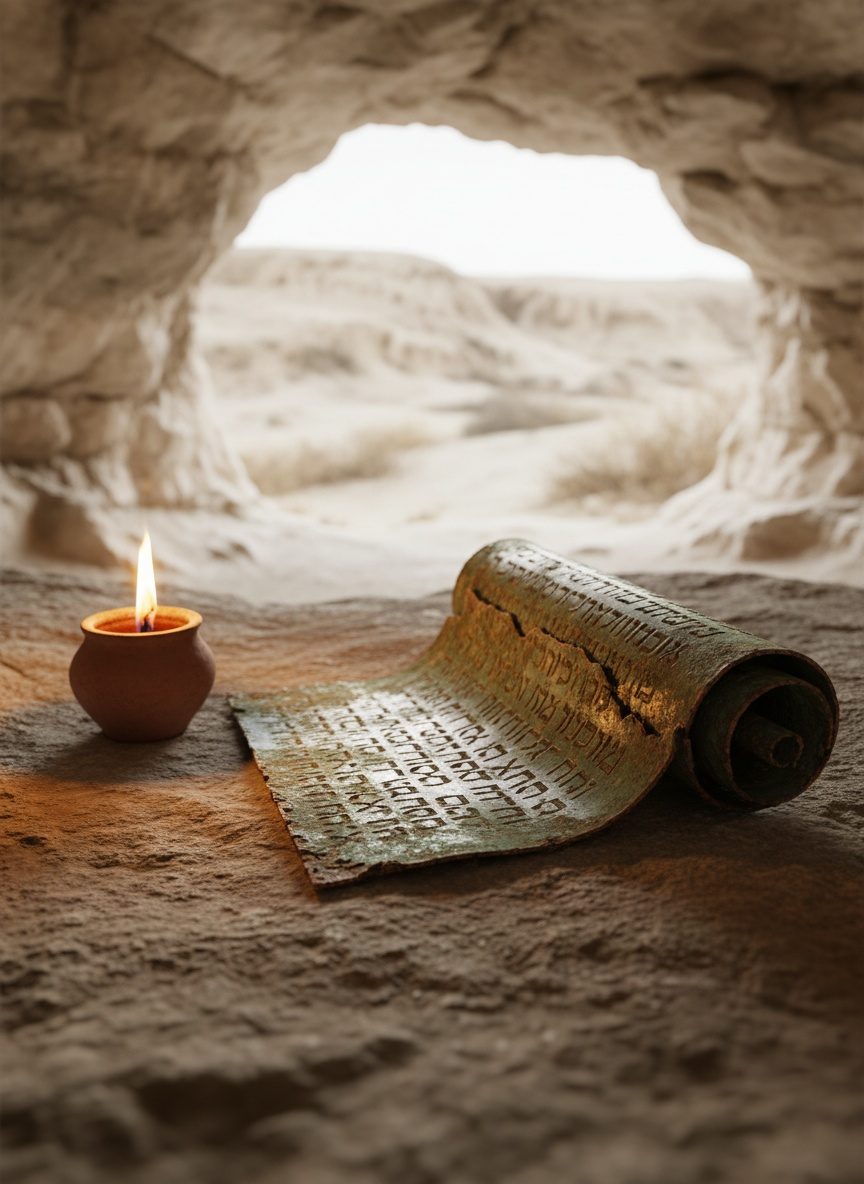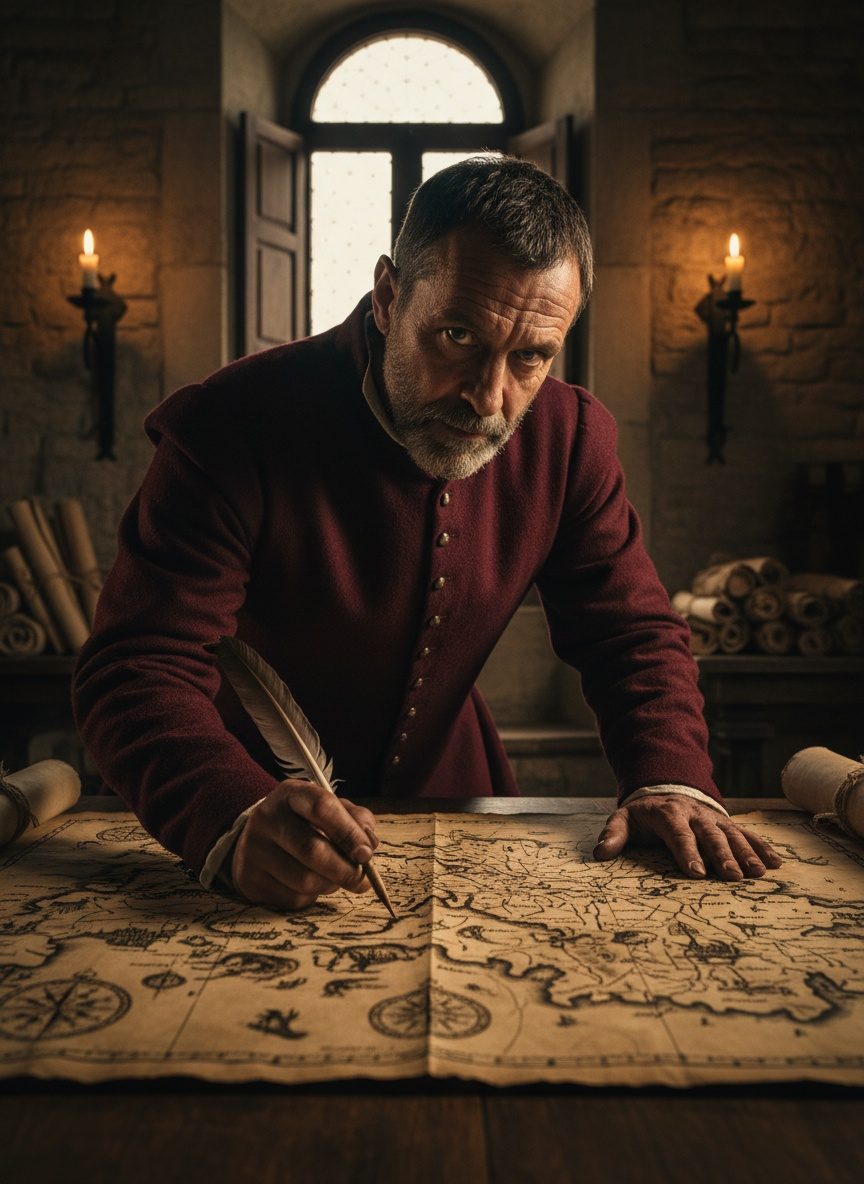
February 1440. A fog draped itself over the canals of Venice, wrapping the ancient city in a damp, spectral embrace. In the flickering candlelight of a cramped scriptorium, a scribe labored over a curiously detailed map. This map, unlike any other of its time, showed a vast and mysterious island in the Atlantic Ocean, labeled in elegant script as Antillia. The map's precise lines and enchanting portrayal of this phantom land captured the imaginations of the era's most revered navigators and scholars.
The map of Antillia quickly spread through the courts and libraries of Europe, seducing all who laid eyes upon it. In truth, Antillia was more myth than geography, an island of legends said to be inhabited by bishops fleeing Islamic invasions in the early centuries of Christianity. Yet, this cartographic invention was so compelling that it came to be accepted by many as geographical reality. The map's intricate coastline, dotted with settlements and natural harbors, seemed to promise undiscovered wealth and untapped maritime routes that could reshape the known world. For decades, ambition-fueled explorers and their royal patrons plotted courses, chasing dreams charted across uncharted waters.
In Venice, this vision of an Atlantic island bonded with existing traditions of storytelling. The idea of a mystical western land had long stirred European imagination, interwoven with tales of Atlantis and other legendary lands. To many eyes, the map's existence was not merely plausible but an affirmation of these ancient oral traditions. This compelling belief in Antillia's existence was reinforced as the Age of Discovery dawned, a time when the tantalizing vastness of the ocean inspired restless sailors and visionary leaders alike.
Among those captivated was Christopher Columbus, whose ambition was fired by the notion of distant, undiscovered lands. Though Columbus would eventually set sail in 1492 with his eyes on a different prize—the riches of the Asian continent—maps like the one of Antillia had already laid the intellectual groundwork for his voyages. A consummate storyteller in his own right, Columbus understood the power of maps not only as navigational tools but as potent symbols of human aspiration and daring.
Yet, as exploration intensified, Antillia remained elusive, no sightings reported, no landfall ever recorded. Years and expeditions passed, and the map's authenticity began to crumble. This once-prominent landmark slowly faded to myth, a victim of its nebulous reality, until it became widely accepted that Antillia was merely a creation—a fiction born from ink and imagination. But who was the mastermind behind this cartographic chicanery, and what intent lay behind the ruse?
The identity of the map's creator remains shrouded in mystery, a source of speculation among historians. It is possible that it was forged by a talented Venetian scribe, acting independently, driven by either the glory of the deception itself or a deeper, political motive. The Venetian enthusiasm for maritime exploration could have spurred on the creation, leveraging the myth of Antillia to propel Venice into the geopolitical theater of the new Atlantic world.
Through this cartographic sleight of hand, Venice could influence and participate in an era predominantly defined by Spanish and Portuguese exploration. Whether crafted for such grand designs or as a mere jest, the map undeniably aroused widespread curiosity and expectation. The mere presence of Antillia on maps lent it a reality it never possessed, proving the power of belief sparked by the skilled hands of medieval artists.
The map of Antillia serves as a robust example of how belief propels exploration. It is a testament to human curiosity's insatiable nature and the lengths to which explorers and scholars will go to fulfill the promises of phantasmal lands. Even erroneous maps contributed to our understanding of the world; though Antillia was imaginary, the contagious spirit it embodied played its part in stimulating the voyages that pieced together the puzzle of our planet.
In retelling the story of Antillia's map, we gain insight into the era's collision between myth and reality, showing how both informed the golden age of exploration. It is a reminder that the edges of our maps are never as fixed as they seem, constantly questioned and redrawn by the dreams and ambitions of those who dare to explore the unknown. As readers of history, we understand that not all stories are anchored in truth; some rise and fall on waves of invention, leading us to actual discoveries that shape the world from mere whispers in the dark.