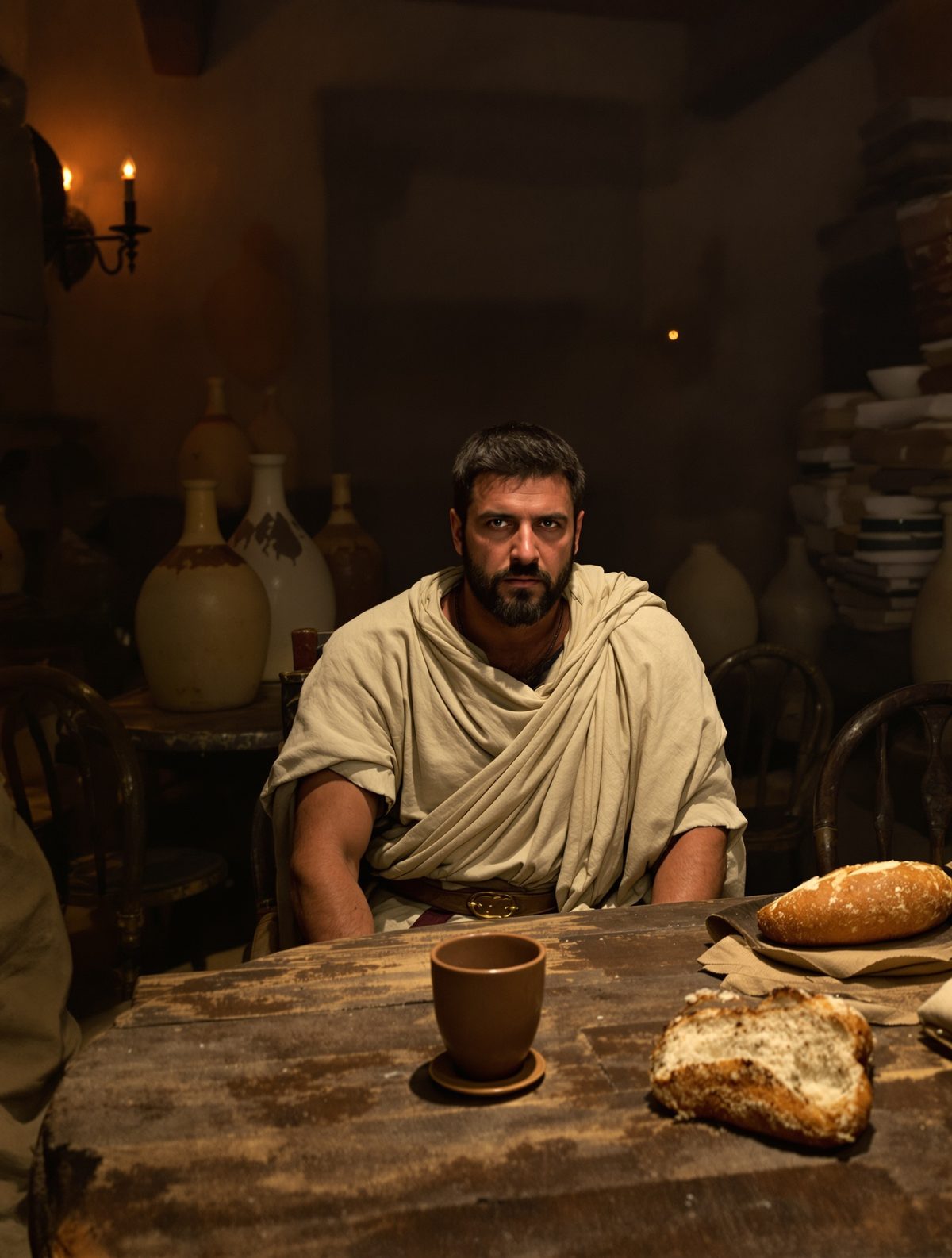
In the year 117 AD, the bustling streets of Rome were alive with the sounds of vendors calling out their wares, the clatter of horse-drawn carts over cobblestone streets, and the chatter of its citizens. Imagine amidst this vibrant din, a somber figure cloaked in a simple tunic, moving unassumingly through the throng. This was no ordinary Roman. It was Hadrian, the newly ascended Emperor of Rome, who chose to walk incognito among his people to truly understand the empire he ruled. This radical approach to leadership would not only redefine his reign but also shape the future of the Roman Empire.
An Emperor in Disguise
Hadrian's journey to self-discovery and reform began with a simple yet revolutionary concept: to rule effectively, one must listen to those they govern. Born Publius Aelius Hadrianus on January 24th, 76 AD, Hadrian became Emperor following Trajan's death in August 117 AD. While most Emperors before him were content to bask in the opulence of their palaces, isolated from the populace, Hadrian felt a different calling.
Eschewing the trappings of power, Hadrian donned a plain cloak and often traveled with only a few trusted companions, immersing himself in the daily life of his subjects. It was said he would slip into bustling marketplaces, enjoy meals in local taverns, and talk to soldiers on the Empire's frontiers. By placing himself in commoners' sandals, Hadrian collected firsthand intelligence on the issues plaguing his empire, from the disparity between the elite and the poor to the challenges faced by Roman Legionaries.
Transforming Empirical Governance
It's often said that knowledge is power, and Hadrian wielded the insights he gained with surgical precision. Unlike many of his predecessors who expanded Rome's borders to unwieldy lengths, Hadrian focused on consolidation and infrastructure, ensuring a stronger, more cohesive empire.
This period saw extensive renovation projects; Hadrian embarked on a quest to fortify and embellish the Empire with an emphasis on practical architecture. The most famous of these was the construction of Hadrian's Wall in northern Britain, a 73-mile fortification that served both as a defensive bulwark and a marker of the empire's limits. Rather than conquer more land, Hadrian wisely understood the importance of protecting and strengthening what was already under Roman control.
Cultural Insight from Every Corner
Traveling incognito allowed Hadrian to gauge not only the practical concerns of his realm but also its cultural dynamics. A Hellenophile by nature, Hadrian admired Greek culture and sought to infuse its philosophies throughout Rome. During his journeys, he visited Athens, where he became both a student and a patron, commissioning many architectural projects, including the famous Temple of Olympian Zeus.
Hadrian's travels also exposed him to various religious practices. He transformed this knowledge into policies of religious tolerance across the empire, allowing different faiths to coexist under Roman rule. This inclusivity helped ease tensions in culturally diverse regions, earning Hadrian respect and loyalty from subjects who felt seen and valued.
Architect of the People
His excursions into quotidian life empowered Hadrian to implement impactful economic reforms. He reduced taxes, realizing the burden they placed on struggling citizens, and initiated efforts to improve the livelihoods of soldiers, offering land and citizenship upon completion of service. Such policies helped boost morale and fostered a stronger allegiance to the empire.
Hadrian's commitment to justice was demonstrated in his reform of Roman law, centering it more on equity than rigid tradition. His “Edictum Perpetuum” effectively codified decrees and brought consistency to the legal system, ensuring fairer trials and protection of individual rights, regardless of social standing.
Why Hadrian's Legacy Matters Today
Reflecting on Hadrian's unconventional yet transformative reign leaves us pondering the dynamics of power and leadership. In the modern world, where leaders are often perceived as detached from the realities of everyday citizens, Hadrian's example presents a timeless lesson: effective leadership requires empathy, understanding, and adaptability.
By fostering openness and integrating diverse cultural elements into governance, Hadrian managed to stave off internal dissent and external threats. His reign serves as an enduring reminder of the importance of grounding policy in the genuine experiences of the populace. In an age where technology and social media can sometimes skew reality, the essence of Hadrian's approach remains clear—step down from the ivory tower and walk amongst the people.
As we continue to face new challenges in governance and social equity today, Hadrian's story encourages us to prioritize listening over decreeing, understanding over dictating. It is a narrative as relevant now as it was over two millennia ago—a testament to the power of a ruler who truly dared to see his world through the eyes of those he served.