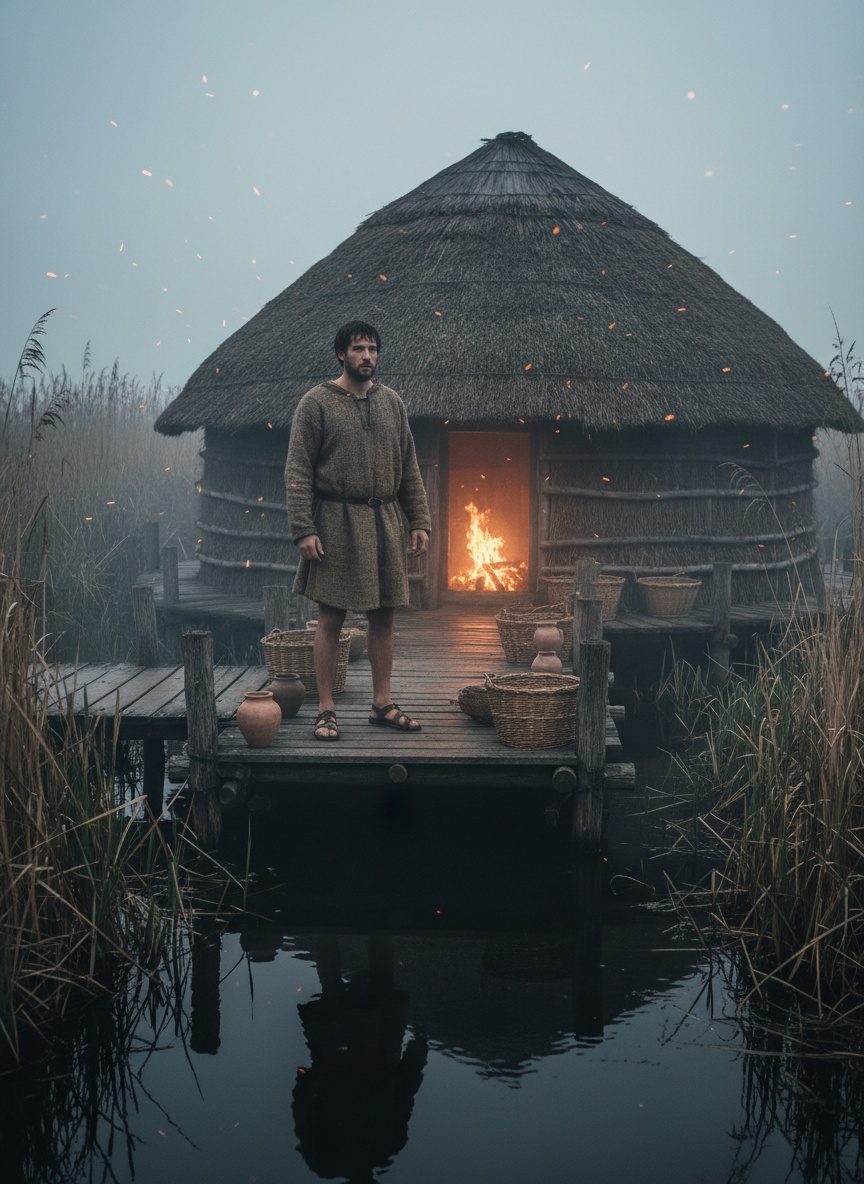
Picture a sprawling Roman city — bustling marketplaces, elegant bathhouses, formidable stone temples. Now, imagine the Roman legions withdraw, the Empire itself retreats from this far-flung province of Britannia, leaving behind an abandoned landscape. Yet one city refuses to crumble into obscurity; it dares to stand against time. This is the extraordinary tale of Wroxeter, the Roman city that defied the fall of Rome itself.
The Last Beacon of Roman Britain
As the 4th century dawned, the Roman Empire was a colossal power, its reach extending from the Sahara Desert to the northern borders of Britannia. One glittering gem in its crown was Viroconium Cornoviorum, now known as Wroxeter, a thriving settlement and the fourth largest city in Roman Britain. By AD 410, however, the legions had been recalled to defend the heartlands of Rome from invaders, leaving Britain with no defending forces, and seemingly vulnerable to chaos and ruin.
In most places across the island, Roman infrastructure quickly fell into disrepair. But Wroxeter was different. Why? It had always been more than a mere military outpost; it was a community with vibrant urban life. While the Empire faced its collapse, Wroxeter's citizens chose to persist, reinventing themselves in the process.
A City Reimagined: Timber Halls and Fallen Temples
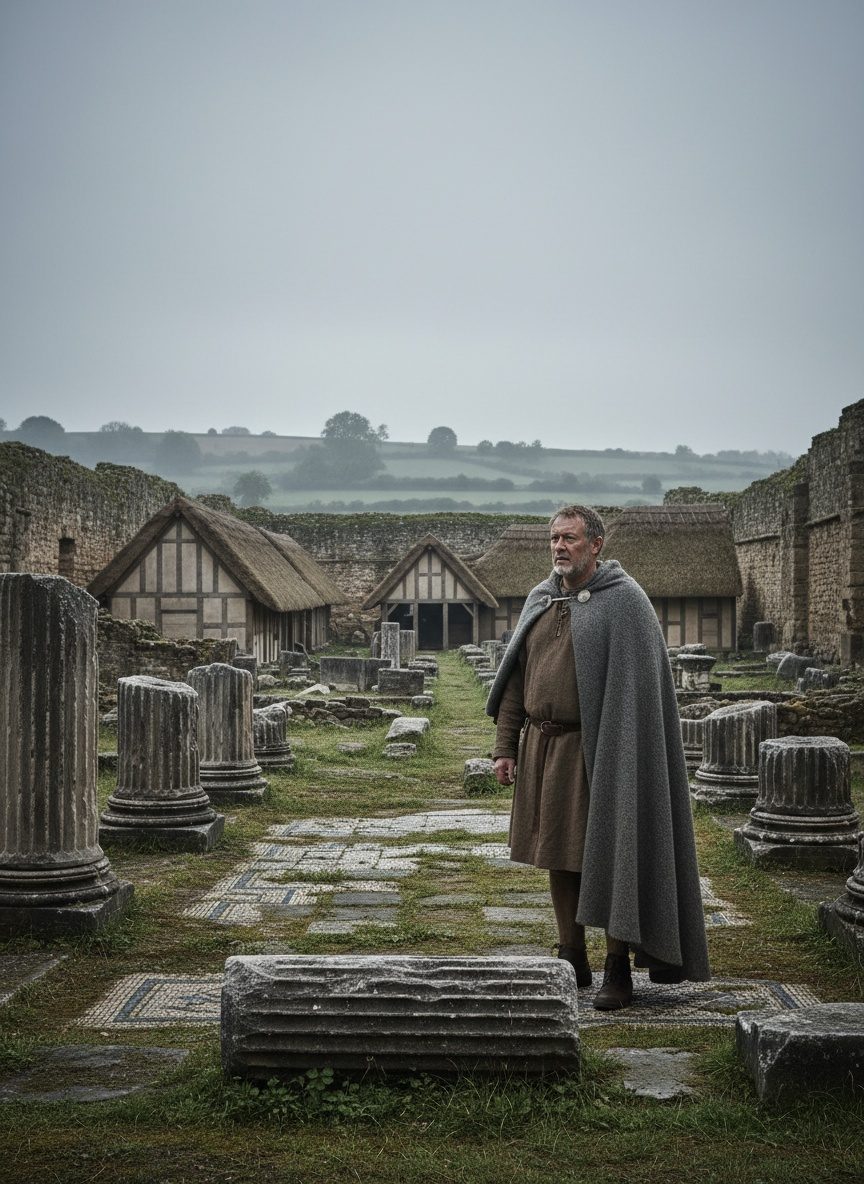
As Rome's presence faded, so too did the upkeep of many classic Roman structures. Yet in Wroxeter, ingenuity took centre stage. From the ruins of ancient temples arose spacious timber halls that spoke to a new epoch but honored their Roman roots. These people adapted existing techniques and continued craftsmanship long after contact with the rest of the Roman world diminished. Local elite families emerged, assuming the roles once played by imperial officials.
Archaeologists have unearthed fascinating artifacts that reveal these transitions, like mosaic floors overlaid with newer wooden constructions. This synthesis of Roman and post-Roman life exemplifies a community that was not just surviving, but thriving in a radically transformed world.
Pillars of Society: The Surprising Roles of Women and Commerce
What might surprise many is the role of women in this enduring city. Evidence suggests they played crucial roles in keeping the commercial heart of Wroxeter beating. With the male population diminished or absent due to military careers or raids, women were major players in local business and trade, operating workshops and perhaps even engaging in governance.
Additionally, coins minted as late as the mid-5th century AD suggest active trade well beyond the expected lifespan of a Roman settlement in Britain. Exotic goods from across the former Empire still made their way to Wroxeter, showing the city's ongoing connection, albeit tenuous, to the wide Roman world.
The Echoes of a Lost World
By the 6th century, Wroxeter had begun its slow descent into obscurity. Yet its legacy is far from lost. Today, Wroxeter is a treasure trove for archaeologists and historians seeking to understand the mysterious twilight years of Roman Britain. Excavations have revealed everything from public bathhouses remarkably preserved by layers of silt, to the remnants of grand Roman townhouses, all hinting at a vibrant past that defied a vast Empire's fall.
Intriguingly, the city's layout remained a testament to Roman engineering prowess long after Rome's fall. Even its streets were designed so that they wouldn't flood, a lasting gift from Roman architects to the people who walked them.
Lessons from Wroxeter: Why Wroxeter Matters Today
In a world where great empires can fall into history’s shadows in the blink of an eye, Wroxeter stands as a poignant lesson in resilience and reinvention. It reminds us that the fabric of a civilization is woven just as much by its people as by its powers. Wroxeter’s story offers a historical parallel to modern times when communities worldwide continue to weather rapid changes in political and economic landscapes.
The persistence of Wroxeter truly challenges our perceptions of the "Dark Ages" as a period solely of decline. Instead, it illuminates the potential for human ingenuity to flourish even amidst upheaval, a notion as relevant today as it was over a millennium ago.
The chronicles of Wroxeter are more than merely a tale of rediscovery; they are a testament to the indomitable spirit of humanity, eager to reclaim and reinvent its future while honoring its past. So, when next you find yourself amid uncertainty, perhaps cast a glance back at Wroxeter. Therein lies proof that even in the ashes of a departed empire, life can begin anew.