In the shadowy depths beneath Cambridgeshire's marshy fens lies an ancient secret, forgotten by time but whispering tales of a once-thriving community. Imagine a place where life bustled over the shimmering waters, a city built on stilts, thriving—or so it believed until the fire came. This city, known as Must Farm, perished in a single fiery night over 3,500 years ago, plunging into the depths of the fens and freezing its last moments in eerie preservation. Join us as we explore the enigmatic story of Britain's very own Pompeii, revealing a slice of life from the Bronze Age never taught in classrooms.
The Rise of the Stilted City
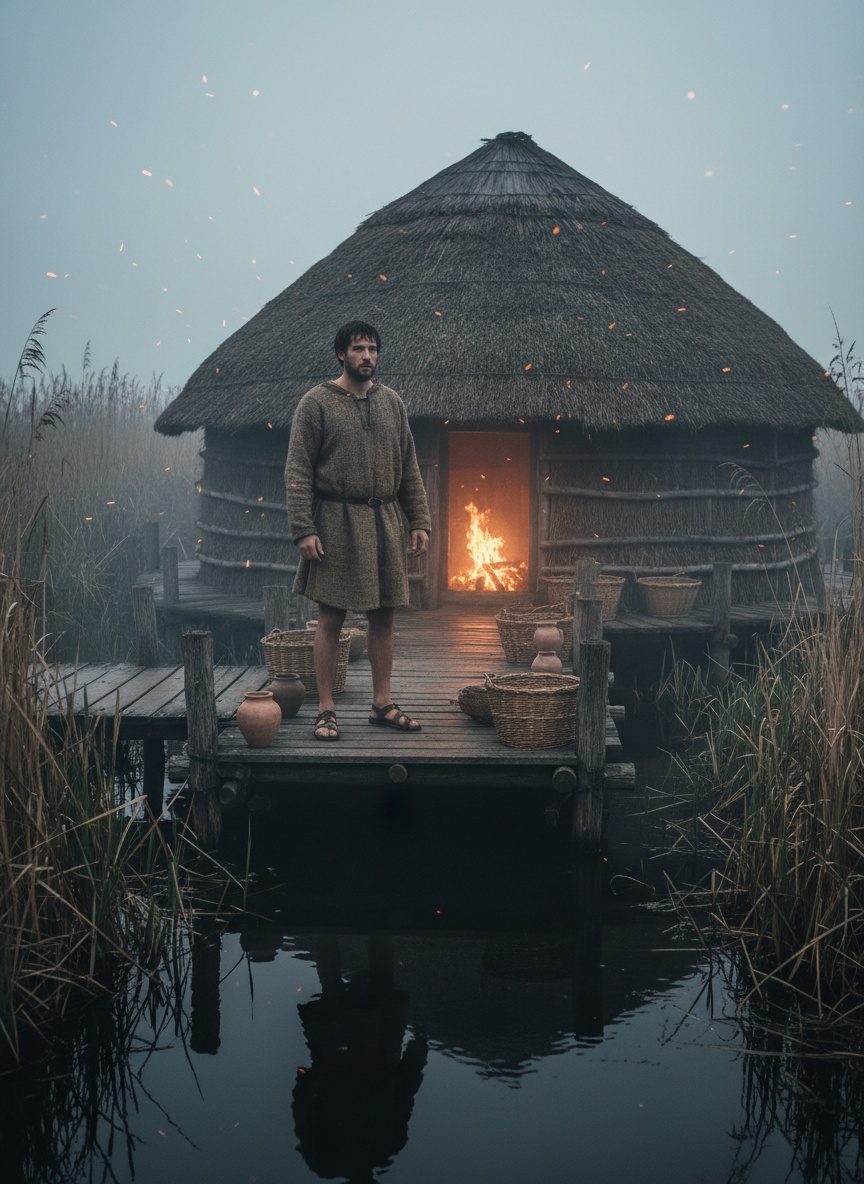
As the sun dipped below the horizon sometime around 1700 BC, the people of Must Farm went about their daily routines, casting nets into teeming waters and tending to the fires beneath their homes. Nestled high above the wetlands on wooden stilts, their roundhouses offered both refuge and a strategic vantage point over the surrounding terrain. Archaeologists believe that this bustling settlement could have been as significant to Bronze Age Britain as any major city today, serving as both a trade hub and a cultural center.
The unique stilted architecture was not only practical but ingenious, allowing the Must Farm inhabitants to adapt to their watery environment. Advancements such as these showcase the remarkable ingenuity of the people who lived thousands of years ago. It’s fascinating to imagine goods being traded here, with traders perhaps coming from as far away as the Near East or Scandinavia, exchanging exotic items and ideas that would ripple throughout the region.
The Night Everything Changed
On one fateful night, sometime between 1000 and 800 BC, a catastrophic fire consumed Must Farm, sinking it into the peat below. Though the cause of the fire remains a mystery, it could have been sparked by warfare, an accidental blaze, or even a ritual destruction that hints at a deeper cultural narrative. The flames tore through the settlement, and as the heat reached the wooden supports, the entire complex cascaded into the muddy depths, sealing its secrets beneath layers of silt.
Remarkably, this destruction led to extraordinary preservation. Archaeologists discovered an impressive array of artifacts, many still in situ as they were left by terrified inhabitants fleeing the inferno. This includes textiles woven with skill, complete wooden bowls, and even the charred remains of a meal left uneaten—all creating a vivid picture of daily life in Bronze Age Britain.
Uncovering Britain's Pompeii
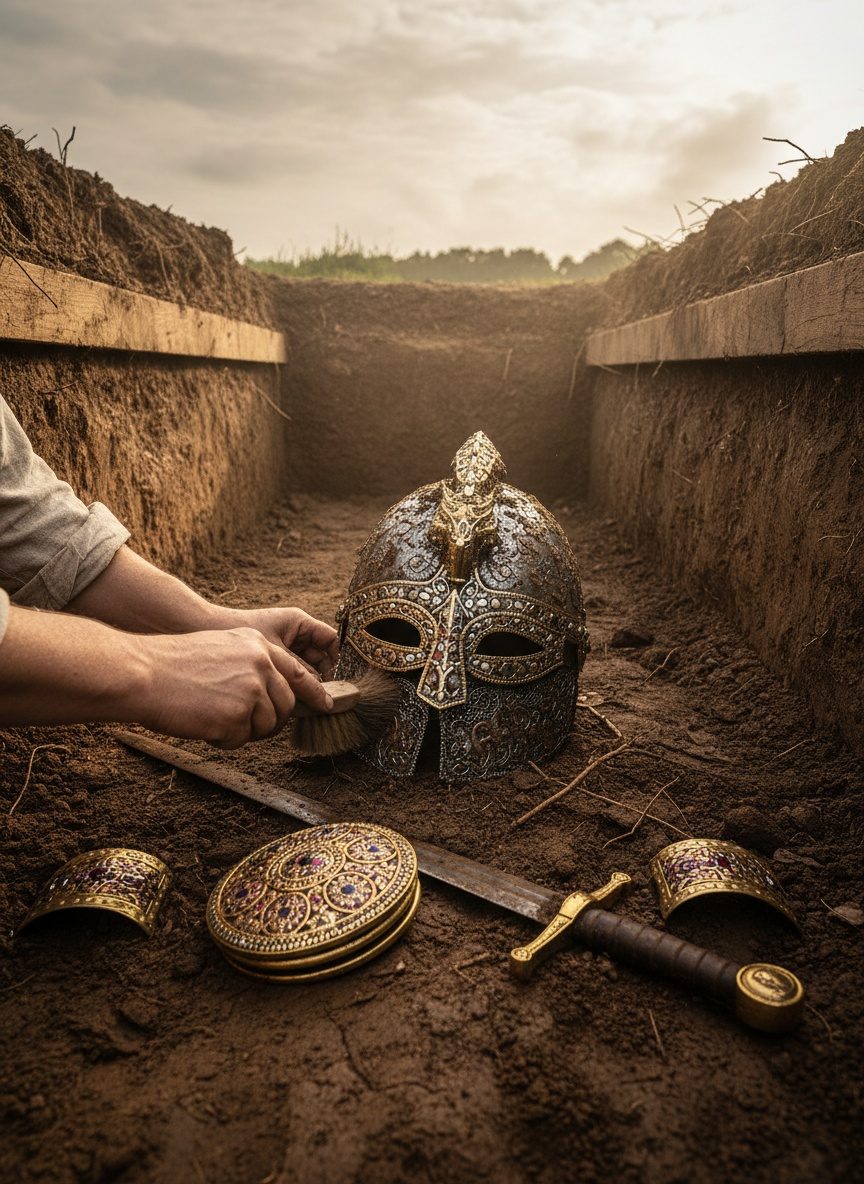
Fast forward to the early 21st century when a waterlogged quarry near Whittlesey revealed hints of ancient timbers poking through the modern landscape. Funded by Historic England and Forterra, extensive excavations began in 2015, revealing the remarkably intact settlement of Must Farm. The unprecedented find was dubbed "Britain's Pompeii" because of its extraordinary state of preservation.
As one archaeologist aptly noted, every layer of silt removed from Must Farm is like peeling back the pages of a history book. Silent for over three millennia, Must Farm now offers clues to the social, economic, and domestic lives of its inhabitants, presenting a microcosmic view of Bronze Age Britain. Intriguingly, analysis of the site's pottery suggests influence and design elements from continental Europe, hinting that ancient Britons were far more connected to their European neighbours than previously thought.
Life Unearthed: A Glimpse Into the Past
One of the most surprising discoveries was the quality and complexity of the textiles, made from plant fibers like lime bast and nettle. These findings challenged prior assumptions about the technological capabilities of Bronze Age Britons, suggesting that they were skilled weavers capable of creating durable, fine fabrics. The charred meals—consisting of wheat, barley, and a range of animal remnants—tell a tale of a well-rounded diet, while remnants of fish traps suggest a reliance on abundant aquatic resources.
The wealth of pottery unearthed—from decorated bowls to storage containers—further paints a picture of a society that valued artistry and utility. Notably, the quantity and quality of these artifacts indicate that Must Farm was inhabited by people who were not merely surviving but thriving, a testament to their social structure and sophistication.
The Legacy of Must Farm
Why does Must Farm matter today? As we reflect on the emergent narrative pieced together from its remnants, we see parallels with our contemporary world. This drowned city speaks to the resilience and ingenuity of humans to adapt and thrive against environmental challenges—a powerful reminder of the interconnectedness of past and present.
Moreover, Must Farm captivates us with its tangible connection to our ancestors, challenging preconceived notions about the sophistication of our forebears. It urges a reevaluation of the narrative of human evolution: one where intelligence and intricate social structures have always been intertwined with survival.
Thus, the ashes of Must Farm do more than preserve the past; they enrich our understanding of human history, offering insights into the struggles, triumphs, and everyday lives of those who walked this Earth long before us. As we sift through the sands of time, history uncovers tales like that of Must Farm, reminding us that while we may be separated by millennia, the essence of human experience remains timeless.