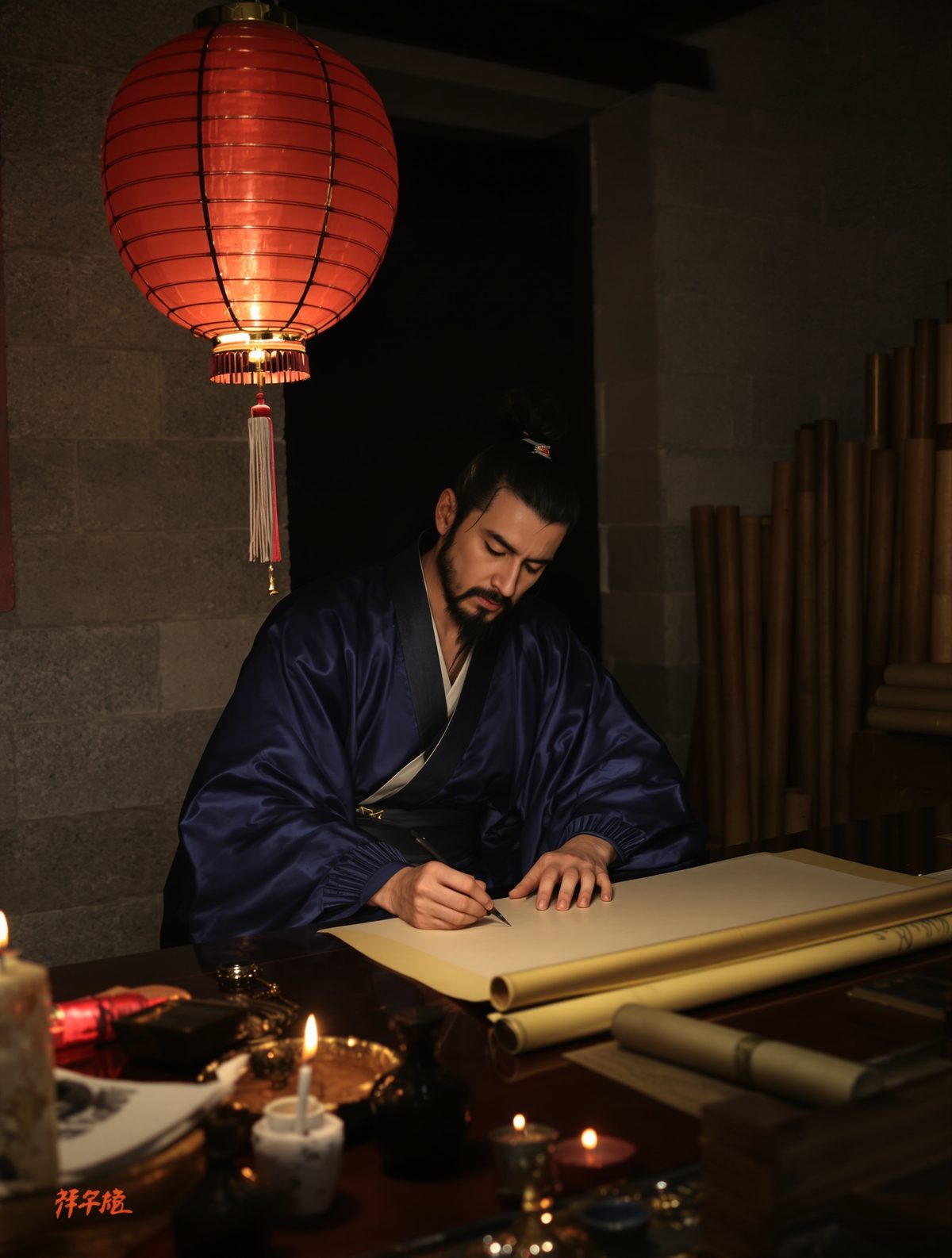
In the shadows of ancient Egypt's sun-drenched temples and towering obelisks, a conspiracy of silence unfurled—a deliberate erasure so thorough that it nearly obliterated a powerful ruler from the annals of history. To step into this ancient world of intrigue is to step into the story of Hatshepsut, the woman who dared to be king, and Thutmose III, the stepson who sought to erase her from memory.
The Ascension of Egypt’s Pharaoh Queen
Picture a time around 1479 BC in the bustling heart of Egypt, where the Nile’s verdant embrace sustains a civilization like no other. Pharaoh Thutmose II has just passed, leaving behind a young son, Thutmose III, barely a child, and a widow, his sister-wife Hatshepsut. With the stature of a royal regent, Hatshepsut began to guide the infant pharaoh. However, in a move unprecedented and bold, Hatshepsut declared herself pharaoh, adopting the full regalia of kingship—including the false beard and the uraeus-serpent crown typically reserved for male rulers.
Her claim was supported by her alleged divine birth narrative, one that perhaps only the denizens of ancient Egypt could accept with fervor; she was the legitimate offspring of the god Amun. Thus, Hatshepsut ruled not as a queen but as a king in her own right, ensuring Egypt’s prosperity for over two decades.
A Dynasty in Resplendent Stone
Hatshepsut’s reign ignited an era of ambitious architectural projects that not only solidified her legacy but literally set it in stone. The impressive mortuary temple at Deir el-Bahri, nestled in the limestone cliffs of Luxor, stands as a testament to her vision. Here, she showcased her trading expedition to the mysterious Land of Punt—a place steeped in gold, incense, and exotic treasures.
It wasn’t just the physical grandeur—Hatshepsut’s impact was profound. During her rule, Egypt flourished through trade, arts, and architecture. Her statues, often depicting her in ambiguous gender roles—a reflection of her unique position—were showcased in temples across the land, from Karnak to the vast necropolis of the Valley of the Kings.
The Silent Chisels of Retribution
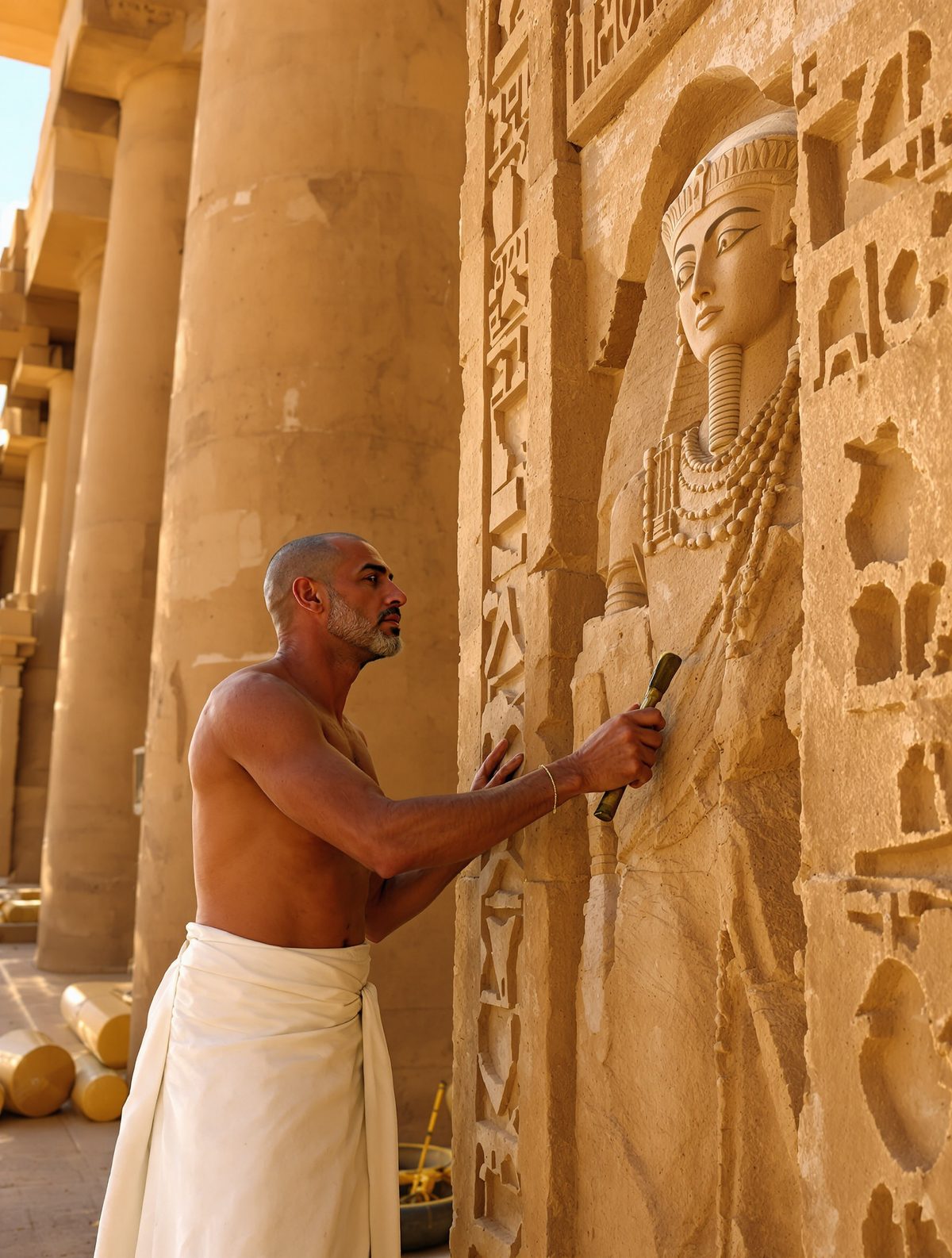
Then, around 1458 BC, Hatshepsut disappeared from the annals of history, not with a loud demise but a silent vanishing. Seemingly overnight, her statuary was defaced, her cartouches scratched out, and her images hammered away. This was no sporadic vandalism; it was a systematic eradication spearheaded by Thutmose III once he firmly grasped power.
Why, though, wait until Hatshepsut’s death? The defacing of a predecessor was almost unheard of in Egyptian tradition, which thrived on the continuity of divine kingship. Yet Thutmose III was methodical—a series of chisels and relentless hands began their kingdom-wide campaign years after her death, reflecting a resolve that bordered on obsession.
The War King’s Bitter Inheritance
Thutmose III, often dubbed the "Napoleon of Egypt," went on to become one of Egypt’s most distinguished military conquerors. He led 17 successful campaigns and expanded the boundaries of Egypt further than any other pharaoh. But was this erasure merely an assertion of his authority, an act of reclaiming a birthright? Or was it something deeper?
Historians long puzzled over this mystery, until became evident that it was less about personal vendetta and more about political legitimacy. By eliminating Hatshepsut from history, he strengthened his claim—not just as pharaoh but as the sole custodian of Egypt’s divine kingship, uninterrupted by what might have been seen by others as a disruptive female rule.
The Rediscovery: A Victory Against Oblivion
Centuries later, when the desert sand had long shrouded the evidence of ancient grudges, Hatshepsut’s tale was slowly reconstructed by archaeologists and Egyptologists. Her mortuary temple, a stark contrast against the barren backdrop, spoke her name once more. Her statues, reassembled and analyzed, told stories of not just a ruler but a woman who dared to transcend her traditional role.
Their findings unraveled a truth about ancient Egypt more nuanced and complex than previously imagined. The narrative was richer, emphasizing that power—tenuous and transient—is not easily controlled, not even by the shaping hand of history's chisels.
Why Hatshepsut’s Story Still Resonates Today
Today, as Hatshepsut’s legacy is steadily restored, her story serves as a poignant reminder of the fragility of history—that the victors might write it, but they do not always succeed in erasing it. Her tale challenges us to reconsider the roles constrained by tradition, echoing the timeless question of gender and power.
In erasing Hatshepsut, Thutmose III aimed to secure his legacy. Ironically, this act of erasure instead secured her place in history. The ensuing rediscovery not only reshaped our understanding of ancient Egypt but cemented Hatshepsut’s narrative in the modern consciousness—a compelling testament to the indomitable spirit that defies oblivion. As the sands of time continue to shift, such stories remind us to question, to explore, and ultimately, to remember.