As dusk fell on yet another day of the American Civil War, campfires flickered to life, casting shadows against the towering pines and gently rustling tents. The acrid tang of gunpowder still lingered in the air, a haunting memory of battles fought. Yet this evening, as soldiers wearily prepared for a night under the stars, an enemy moved among them—one that carried no arms and made no sound.
The Silent Stalker: Disease in the Ranks
The Civil War, waged from 1861 to 1865, is etched into history for its fierce battles—Gettysburg, Antietam, Bull Run. The conflict claimed the lives of over 620,000 men, more than any other war in American history. Yet, remarkably, it was not the bullets or bayonets that claimed most of these lives; the war's deadliest foe was disease.
During the 19th century, medical science was still grappling with the basic principles of hygiene and germ theory. Infectious diseases such as dysentery, typhoid fever, malaria, and pneumonia ran rampant through the ranks. Soldiers, living in cramped conditions with inadequate sanitation and poor nutrition, were especially vulnerable. Estimates suggest that two-thirds of Civil War fatalities were due to illness rather than combat injuries, a staggering revelation that continues to fascinate historians today.
A Recipe for Catastrophe: Living Conditions in Camp
The life of a Civil War soldier was one of hardship. Camps were often overcrowded, with tens of thousands of men sharing the same space for weeks or months. These conditions created a fertile breeding ground for disease. Latrines were often situated too close to living quarters, contaminating the water supply with deadly bacteria. Infected water became an invisible killer, spreading diseases like dysentery, which alone accounted for an estimated 50,000 deaths.
The food rations were hardly better, consisting mostly of hardtack, salted pork, and beans—nutritious enough to stave off starvation but lacking essential vitamins and minerals. This inadequacy weakened immune systems and left soldiers more susceptible to illness. Coupled with the stress of warfare, both physically and emotionally, the stage was set for epidemics.
The Unsung Heroes: Civil War Medicine Takes a Stand
Despite the overwhelming odds, some individuals and organizations took remarkable steps to combat these plagues. The U.S. Sanitary Commission, for instance, played a crucial role in improving conditions in Union camps. Founded in 1861, the Commission worked tirelessly to implement better sanitation practices and improve the medical care available to soldiers.
Clara Barton, a pioneering nurse who would later establish the American Red Cross, was one of the many determined individuals who championed better medical treatment. She braved battlefields to provide care and supplies, earning the nickname "Angel of the Battlefield."
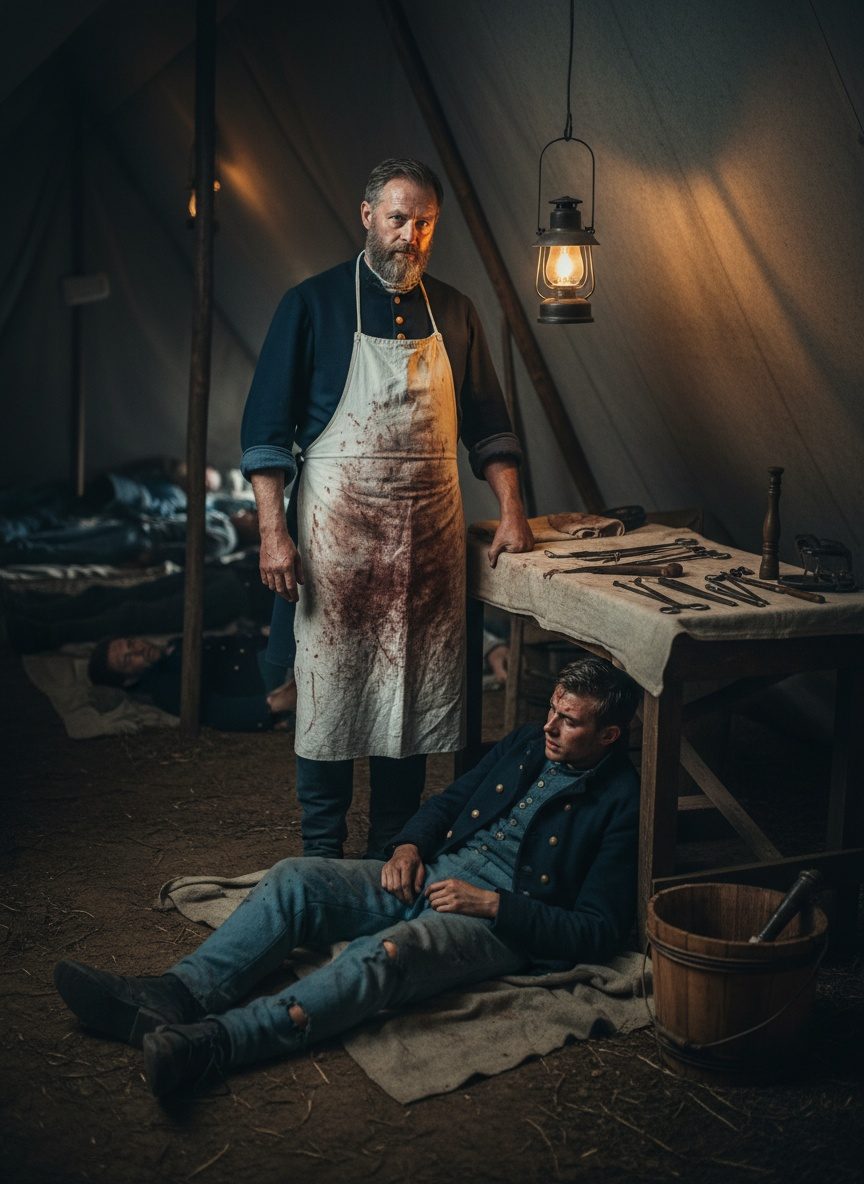
Field hospitals evolved rapidly during the conflict. By 1864, Union forces established the "Letterman System," named after Jonathan Letterman, Medical Director of the Army of the Potomac. This innovative triage system included dedicated ambulance services and field dressing stations, vastly improving survival rates for wounded soldiers.
Unremarkable Yet Deadly: The Diseases that Ravaged Armies
Among the deadliest diseases was typhoid fever, a waterborne illness caused by salmonella bacteria. Responsible for decimating both Confederate and Union armies, it killed thousands, including the notable Confederate General Stonewall Jackson, who succumbed to complications from pneumonia after surviving battle wounds.
Another common ailment was "camp fever," or epidemic typhus, spread by lice-infested clothing. This illness was particularly feared due to its high mortality rate, causing hallucinations, delirium, and eventual death from multiple organ failure.
Malaria, transmitted by mosquitoes, plagued soldiers in the southern swamps, where conditions were optimal for the parasites. Quinine, the only effective treatment, was in short supply, making prevention nearly impossible.
The Legacy of Learning: Medicine Post-War
The Civil War proved to be a significant turning point in military medicine. The lessons learned sparked a revolution in public health, urging improvements in sanitation, camp layouts, and medical infrastructure. Many of the practices developed during this time laid the groundwork for modern medical policies and emergency response protocols.
The war's staggering rates of disease and consequent advancements highlighted the essential need for proper hygiene and medical preparedness, lessons that resonate profoundly, especially in today's world where global pandemics remind us of the persistent power of disease and the importance of vigilance in public health.
As we remember the Civil War's grisly battles, it is crucial to acknowledge the insidious killer that shared the field—the rampant diseases that claimed more lives than the enemy's guns. In understanding these silent battles, we honor the countless soldiers who perished not in the embrace of combat, but in the relentless grip of invisible adversaries.