The cries of women mixed with the clashing of swords, the scent of burnt timber and smoke filled the air as flames roared skyward. Somewhere beneath the cacophony rose the voice of a woman commanding legions, her eyes ablaze with vengeance as she led her people, the Iceni, through the flushed chaos of war. Her name: Boudicca. Her target: the Roman Empire itself.
The Beginning of Rebellion: A Queen Wronged
In the nascent days of 60 AD, when the tight grip of the Roman Empire seemed unyielding, the lands of the Iceni, a Celtic tribe located in what is now Norfolk, England, became a hotbed of simmering resentment. Boudicca, the stoic and fiercely determined queen of the Iceni, found herself thrust into conflict after suffering a grievous personal affront at the hands of the Romans.
Upon the death of her husband, King Prasutagus, who had sought to secure peace by willing his kingdom half to the Roman emperor Nero and half to his daughters, the Romans betrayed this accord. Under unscrupulous orders, Roman tax collectors seized Iceni lands, publicly flogged Boudicca, and in a brutal display of cruelty, violated her daughters. This act of barbarity lit the flame of rebellion that would soon engulf Britain in war.
The Speeches That Stirred An Army
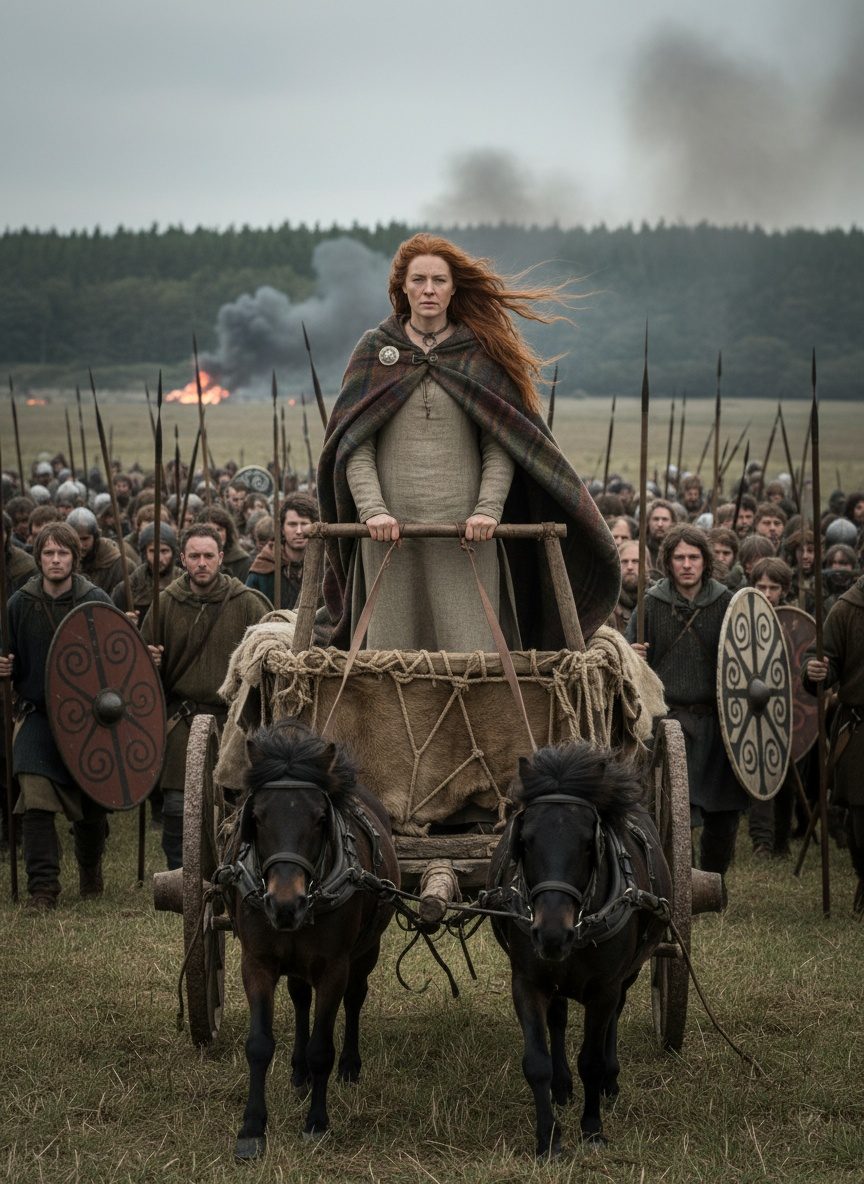
With a heart full of fury and a purpose to reclaim honor, Boudicca aroused the spirit of rebellion within her people. Standing tall atop her war chariot, her long red hair flowing like a banner of war, she addressed her warriors. Her speeches are echoes that reach us across the centuries, words of resilience and revolt. She summoned warriors not only from the Iceni but also from neighboring tribes, kindling the fiery spirit of resistance among over 100,000 Celtic warriors.
The image of Boudicca, spear in hand, leading such a great force was not merely symbolic of a queen who had suffered; it was an embodiment of collective insurgence against the iron-fisted rule of Rome. Even Tacitus, the renowned Roman historian, would admit that Boudicca’s following challenged the seemingly invincible legions of Rome, making them shiver in their sandals.
The Burning of Camulodunum and the Fall of Roman Pride
First to fall under Boudicca’s wrath was Camulodunum (modern-day Colchester), a Roman stronghold and a symbol of occupation, complete with its temple to the emperor Claudius. Its destruction was swift and thorough. The once mighty city was consumed in fire, its residents either slaughtered or fled. Informal shrines were built to mark the starting point of a rebellion that, to this day, is celebrated as an assertion against tyranny.
Roman attempts to suppress the Iceni and their allies faltered as Boudicca’s army swept across the English countryside. The slaughter at Camulodunum was only a beginning. Roman soldiers underestimated the tactical prowess and ferocity of an army led by a scorned woman—foreshadowing a sobering lesson for Rome.
The Siege of Londinium: A City Set Aflame
As Boudicca's forces marched south, the strategic settlement of Londinium (now London) stood in their path. The Roman governor Suetonius Paulinus, preoccupied in Wales with his campaign against the Druid stronghold on Anglesey, realized the vulnerability too late. Londinium’s defenses proved inadequate against the advancing tide of Celtic warriors.
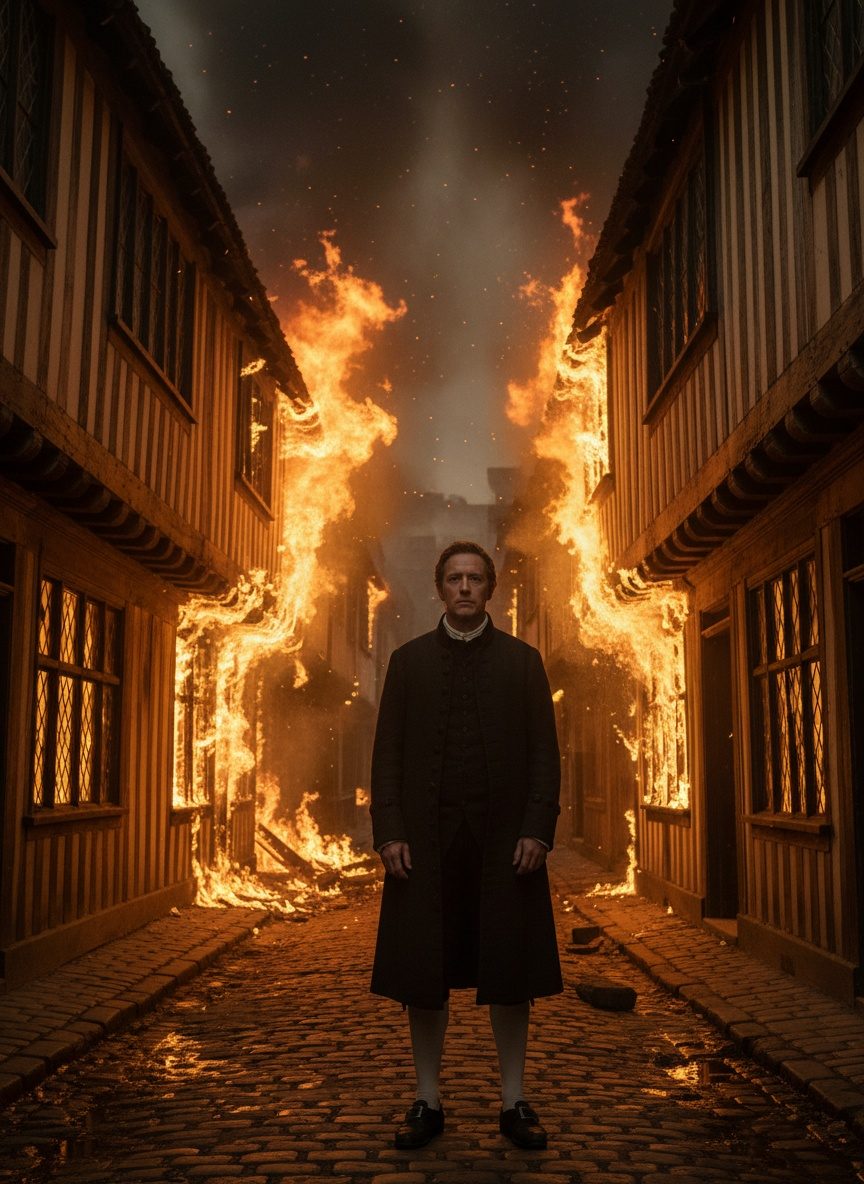
With grim efficiency, Boudicca's forces set the city ablaze, reducing it to ashes in a matter of days. It is estimated that as many as 80,000 Roman civilians and soldiers perished, victims of a revolt forged in the fires of vengeance. The thriving capital became a stark reminder of Roman vulnerability, a visible scar in the landscape of their empire.
The Final Stand: The Battle of Watling Street
The pinnacle of this rebellion came at Watling Street, where Boudicca’s forces faced the military might of Rome—a disciplined and formidable force authorized by Nero himself. Despite being outnumbered, Roman discipline, strategy, and superior weaponry turned the tide. The battle was a massacre, a devastating defeat for Boudicca’s uprising.
Accounts of her demise vary—some suggesting she took her own life to avoid capture, others say she succumbed to illness—but the ripples of her rebellion persisted. Despite her defeat, Boudicca’s legacy endured, her name enshrined as a symbol of tenacious resistance against oppression, inspiring future generations.
The Legacy of Boudicca: Historical Ripples Across Time
Why does Boudicca’s rebellion, even in its failure, continue to matter in our modern age? Perhaps it is because her story encapsulates the timeless struggle against tyranny and injustice. Her valiant resistance against a seemingly indomitable power serves as a poignant reminder that the spirit of defiance echoes beyond defeat.
In contemporary British and global culture, Boudicca has been fervently celebrated as a proto-feminist icon, exemplifying a powerful woman who led against overwhelming odds—a figure of both historical significance and symbolic inspiration. The legacy of Boudicca resonates through our history books, in poetry, and even in the form of statues standing proudly in the streets of London.
As we ponder the fierce queen of the Iceni, we find more than a tale of revolt; we discover a narrative of empowerment, resilience, and the relentless pursuit of justice—an enduring chapter in the unresolved story of human aspiration and resistance.