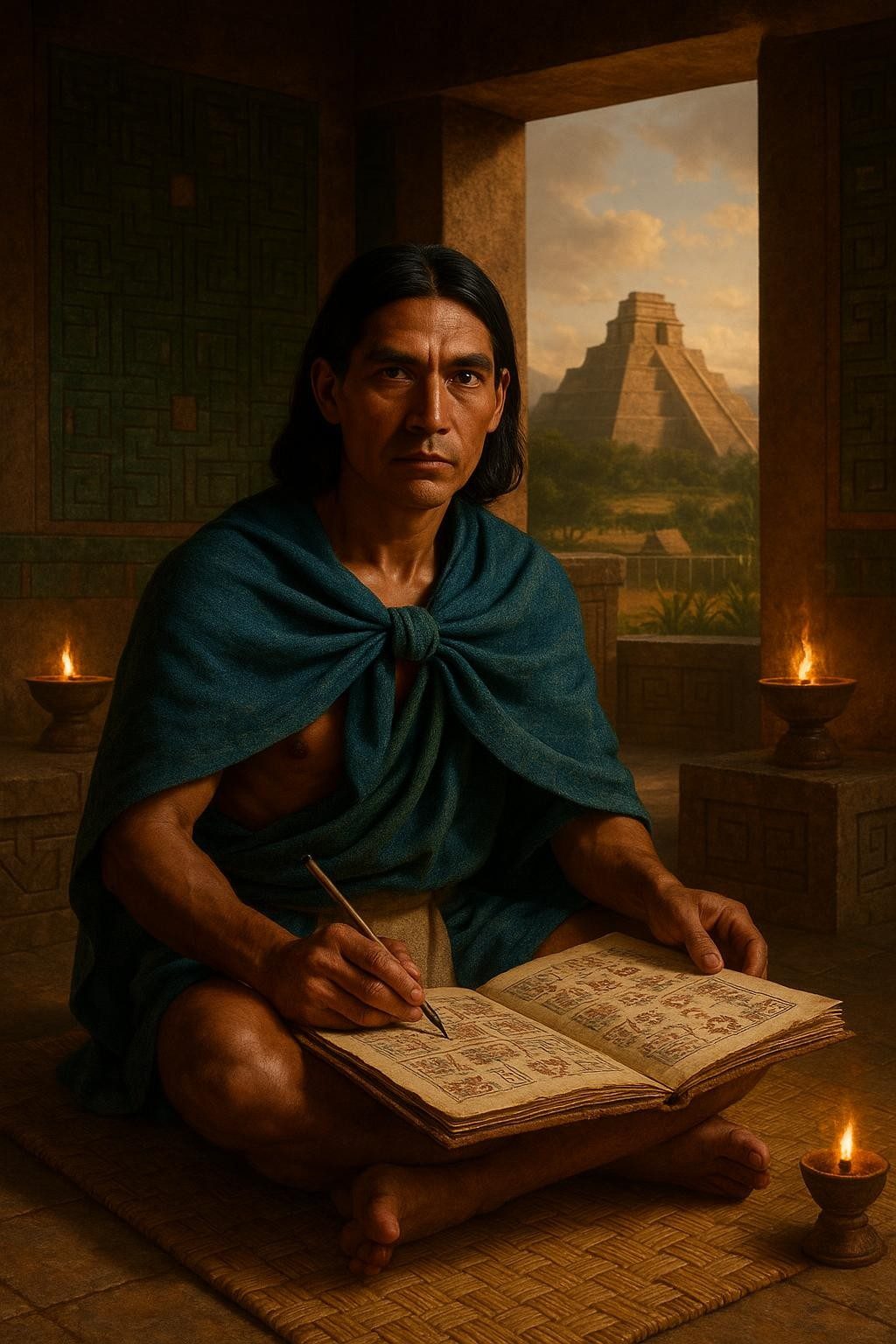
The sun hung low over the plains of Kirina, painting the sky in hues of orange and purple as the dust settled from battle. The air was heavy with the smell of churned earth and the whispers of victory. The scene was almost serene, belying the bloodshed that had occurred just hours before when a tyrant had met his end. In this tranquil aftermath, the noise of clashing swords and cries of war held their breath, replaced by a new sound: the voice of a griot, resonating through the silence. With each verse, he sang not just of deeds done, but of destinies forged, setting the stage for a new era in West Africa.
The Defining Song
The battlefield was still, save for the voice of Balla Fasséké, Sundiata Keita's griot, who stepped forward amid the gathered warriors. The griot was the epicenter of memory and prophecy, weaving tales of valor and legacy in the fabric of their society. As his voice lifted above the masses, he sang the name of Sundiata, their champion, crafting a tapestry of heroism and leadership. His words were more than mere praise; they were an incantation, transforming at once Sundiata from victorious general to sovereign ruler.
In West Africa, a griot's voice was as powerful as the mightiest weapon. Tasked with preserving the oral history of their communities, griots were revered as living repositories of history, genealogy, and tradition. Their stories inspired not just reverence but action, as their tales could shape narratives and influence the fate of kingdoms. As Fasséké's song floated across the battlefield, each warrior, hardened by years of conflict, bowed in unified acknowledgment. Here, a king was crowned through the enduring power of tradition and story, more binding than any written edict.
The Rise of a Leader
Before he was exalted, Sundiata endured trials that would break lesser men. Once a boy unable to walk, he was derided and dismissed by many. Yet, with determination and the guidance of his mother Sogolon, he emerged resilient, destined for greatness. His journey from exile to the throne was fraught with adversity, as he contended against the tyrannical rule of Sumanguru Kante, the sorcerer-king whose reign of terror had brought chaos to the region.
With guile and grit, Sundiata assembled a coalition of disparate peoples united under a singular purpose: liberation. The climax of his ascension was the Battle of Kirina, where his strategic acumen and the fervent loyalty of his allies led to Kante's downfall. Yet it was not solely his martial prowess that earned him the mantle of ruler; it was his ability to galvanize unity among diverse factions and inspire hope for a better future.
The Foundation of an Empire
Sundiata's coronation marked the dawn of the Mali Empire, a realm that would grow to dominate West Africa. This was an empire built on foundations laid not just by force, but by the shared aspirations of its people. Its expansion owed much to Sundiata's vision of a greater Mali, where trade routes flourished and diverse cultures flourished under a unified banner. Renowned cities like Timbuktu would later emerge as centers of learning and trade, influencing regions far beyond their borders.
Within this nascent empire, Balla Fasséké continued to play a critical role. As chief griot, he guided the king and his council, offering insight through the accumulated wisdom of generations. His songs served as a compass, helping to navigate the political complexities of ruling such a vast and varied land. The griot's art—a vital institution in Mali—ensured that history was preserved not merely as a record, but as an active force in the shaping of their destiny.
The Legacy of Oral Tradition
In a world dependent on the written word, the griots of Mali remind us that oral tradition is a potent force in preserving culture and history. The stories of Sundiata, immortalized through the words of Balla Fasséké, continue to resonate across millennia. Their narratives offer insight not only into the past but into the timeless nature of leadership, resilience, and unity.
In the annals of history, emperors and empires often fade into obscurity, yet the tales of judicial griots like Fasséké endure. Their oral traditions bind communities together, teaching and reminding each new generation of their shared heritage and collective strength. In Mali, the griot's song proved to be the cornerstone upon which an empire of knowledge and culture was built.
The story of Sundiata Keita and his rise to power through the art of the griot serves as a testament to the enduring power of storytelling. In the beating heart of West Africa, history wasn’t merely recorded—it was sung, and in those songs, the past and the future became one. This narrative teaches us that leadership is not merely the claim to a throne, but the ability to inspire and unite through the stories we choose to tell. It invites contemporary readers to ponder the narratives shaping their own world and the voices that hold the power to transform it. For in the end, as it was on that field of Kirina, it will always be the songs we choose to sing that echo throughout history.