September 1898. The autumn air in Beijing shimmered with the whisper of change that never came.
The Dawn of Reform
In the twilight of the Qing Dynasty, China stood poised between tradition and transformation. The Guangxu Emperor, a young visionary ruler largely overshadowed by the formidable Empress Dowager Cixi, had ignited the hopes of a nation with the advent of the Hundred Days' Reform. These reforms aimed to modernize China both politically and culturally, adopting western techniques and ideas to revive the ailing empire. While most of the imperial court clung to the ancient ways as tenaciously as a drowning man to driftwood, a handful of reformers dared to dream otherwise.
One such reformer was Tan Sitong, a luminary from a distinguished Hunan family. Yet, he was more than a scholar or idealist. He embodied the revolutionary spirit of change. Tan believed fervently that without sacrifice, there could be no progress. He was a man of passion and principles, writing eloquent arguments for reform and speaking out against the decaying traditions that tethered China to its fate.
As the emperor's right hand, Tan had helped craft a vision of a China reborn, where ancient Confucian ideals danced with the quicksilver of innovation. For a brief moment, it seemed as if the empire's splendid past could blend harmoniously with a bold, modern future.
The Empress Dowager's Scheme
The echoes of change, however, were soon drowned under the unwavering gauntlet of Cixi. Empress Dowager, a cunning power player in the imperial chess game, saw the threat reforms posed to her rule and acted swiftly and ruthlessly. As September closed in, she seized the imperial power in a decisive coup, detaining the emperor and dismantling the reforms with the ruthless precision only she could muster.
The pacing of history accelerated, like a chariot gaining speed down a slope. Reformers, now branded as traitors, faced the wrath of a regime intent on silencing dissent. Six men were marked for execution, sacrifices on the altar of returning stability. Among them stood Tan Sitong, resolute in his belief even as the shadow of death crept upon him.
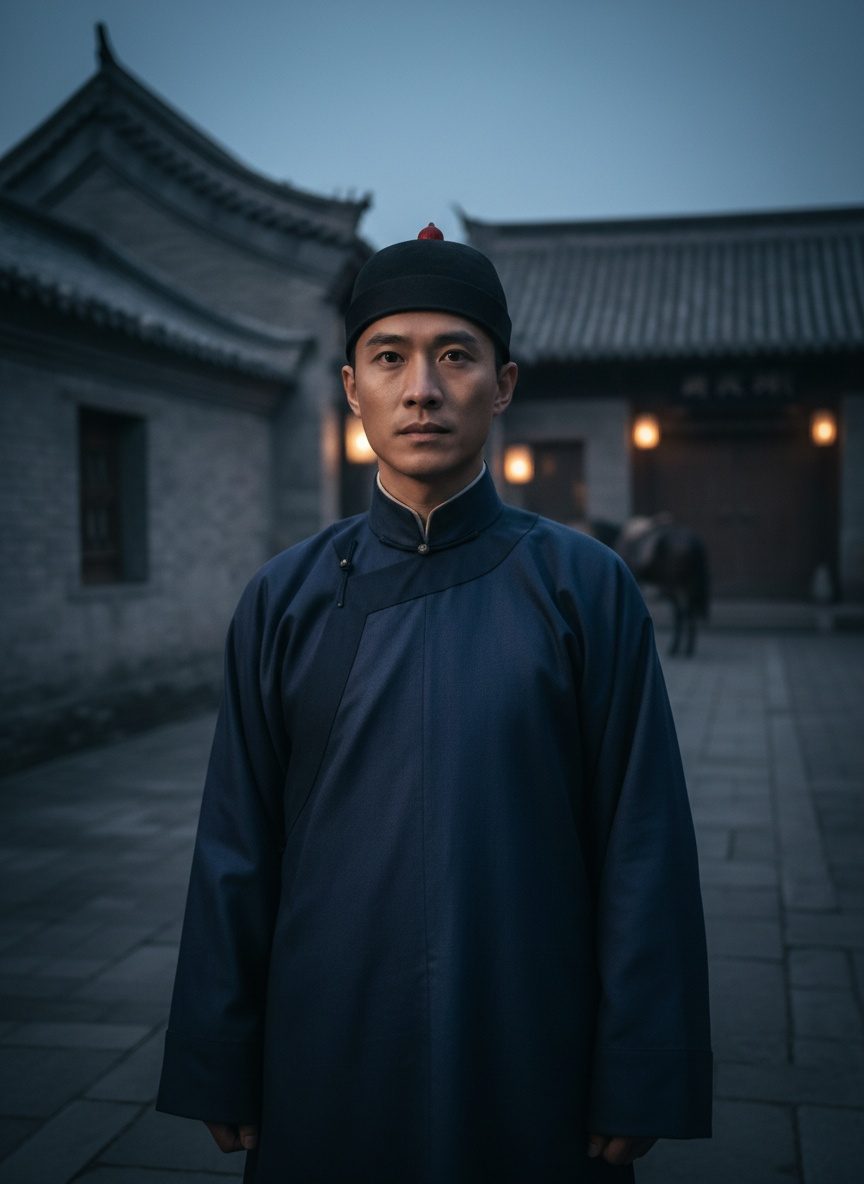
Yet on the eve of his impending doom, Tan was offered freedom. Arrangements had been made in hushed whispers and shadowy corners — a horse waited beyond Beijing's walls, ready to carry him to safety. It was an escape that the world seemed to beg him to take. But Tan, with a fierce passion that could not be extinguished by fear of the gallows, refused.
Tales of Bravery and Resolve
Tan Sitong's refusal was not an act of futility but a profound statement. "I will not flee," he declared, a shout into the howling winds of history. "One must die for the rest to live." Such was his conviction that his sacrifice was necessary; his life spilled into the earth might be the seed from which future revolutions would grow.
In those final hours, Tan did not falter. He composed letters — words of resolve and foresight. He articulated his dreams for a free China, a land where the old shackles would dissolve and give rise to a spirit of liberty and reform. His writings became a rallying cry, resonating long after his voice was silenced.
As the city watched, Tan met his fate with uncompromising dignity. His execution was not merely an end but an embodiment of revolution itself. To the onlooker, it became clear: in the anguished dance between progress and tradition, martyrs like Tan were kindling.
The Enduring Echo
The dust settled, and time, as always, marched onward. Yet, the story of Tan Sitong did not fade; rather it lingered in the alleys of Beijing and beyond, whispered among the hopeful, seeping into China's consciousness. His sacrifice exemplified the ever-present struggle between oppressive power and transformative vision. It was, and remains, a testament to the fierce resolve that can ignite sparks of change even in the darkest epochs.
Tan's choice to face death, sending away the horse that could have borne him to safety, underscores an everlasting truth: the path to progress often exacts a heavy toll, and it is burdened by the courage of those willing to pay it. His story reveals the profound influence that individual action still holds, transcending the confines of time, rippling through history, and reminding us that some battles, fought long ago, continue to shape the world today.