Sundiata Keita could not stand on his own two feet. That he would one day rise to rule an empire was unimaginable. Yet, rise he did, defying both the physical chains that bound him and the snickering court that doubted him. Born into the royal Keita clan of the Mandinka people, Sundiata’s early life seemed ill-fated, marked by a mysterious malady that rendered him unable to walk. In an age where martial prowess often equaled power, his immobility was seen as a sign of weakness and an excuse to overlook him in the line of succession. But history, as it often does, had other plans.
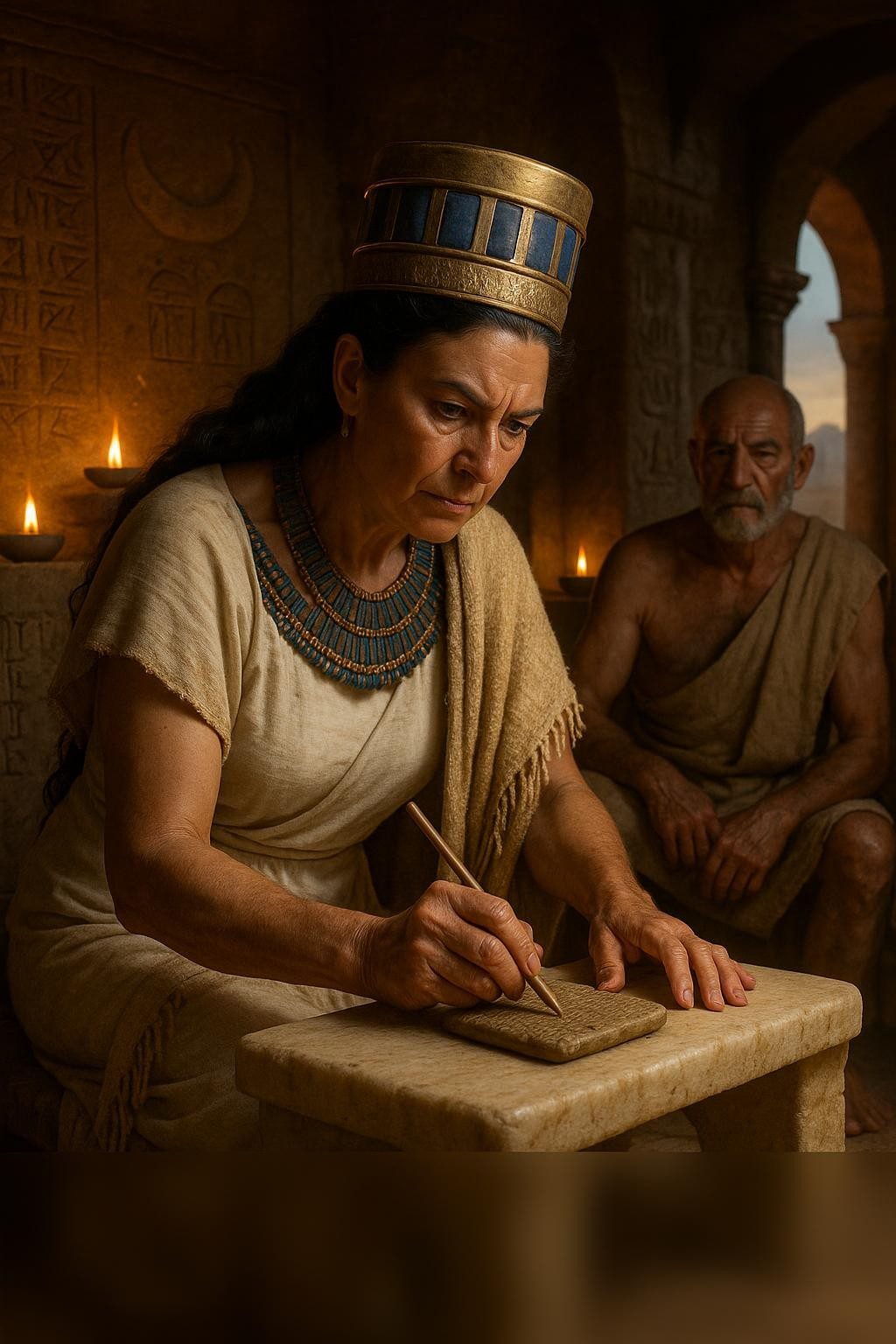
The Mandinka people, nestled in the savannahs of modern-day Mali, were ruled by a king named Naré Maghann Konaté, also known as Maghan the Great. He had many wives, but his favorite was Sogolon, a buffalo-woman of remarkable provenance who bore him Sundiata. Despite his noble birth, Sundiata’s physical disability put him at the mercy of palace whispers and quiet disfavor. His mother, Sogolon, faced constant ridicule not only for her son's condition but also for her own struggles against the palace politics that swirled around them. Yet, in this world of shadows and power plays, young Sundiata found resilience fueled by a quiet determination that no one seemed to notice until the day he changed his destiny.
For years, Sundiata crawled, unable to lift himself from the dust of which his foes claimed he would always remain a part. However, his mother’s unwavering belief in a divine purpose for her child never wavered. In a society where spiritualists and soothsayers held significant sway, the whispers of an ancestral prophecy trickled through the grapevine, suggesting that Sundiata was destined for greatness. Still, it was not enough to drown out the echoes of laughter from those who saw him as a mere footnote in an otherwise unremarkable chapter of the royal lineage.
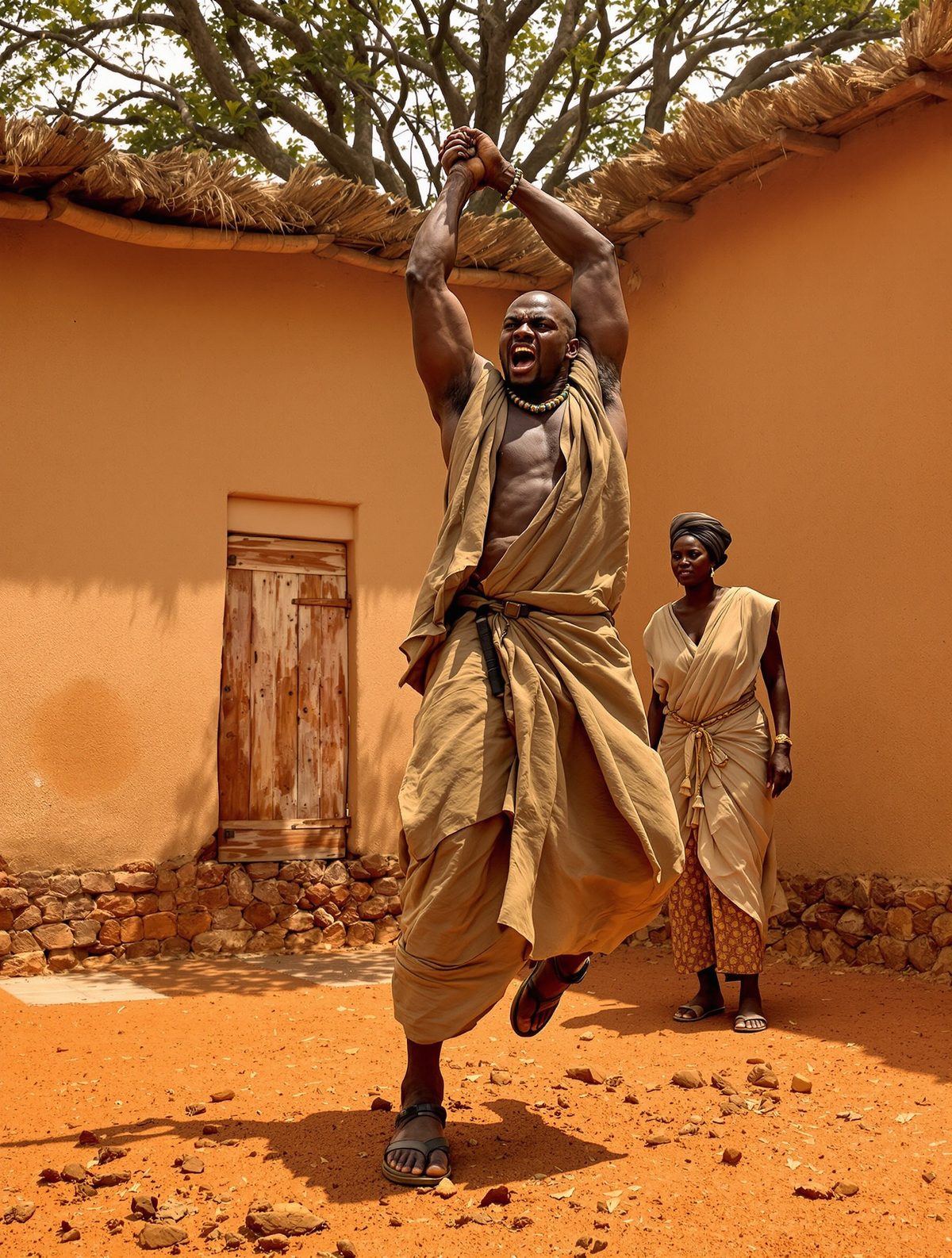
The moment of Sundiata’s transformation came on a seemingly ordinary day, illuminated by the fierce West African sun. As the story goes, he called for an iron rod to be brought to him, his demand puzzling the courtiers who had long written him off. To everyone's shock, with a heart full of courage and an unyielding grip, he bent the bar straight and used it as a crutch to pull himself upright for the first time. It was an awe-inspiring scene that played out before murmurs of disbelief, wild eyes, and his mother's tears of joy. The ground beneath him seemed to quiver as history made room for this incredible feat. In that critical moment of personal victory, the seeds of an empire were planted.
Sundiata's story does not end with his standing, but rather, it begins there. The man who stood in defiance of his physical limitations grew to become a tactician and leader of unparalleled vision. As the winds of change swept across West Africa, it was the young man who had once been the subject of derision who gathered allies, united tribes, and marshaled forces to carve out the Mali Empire from the collapsing remnants of past rule. Like a blacksmith forging a daunting blade from raw metal, Sundiata hammered together what would become one of the richest and largest empires in the history of Africa.
This empire was more than triumph over geography and adversaries; it was a triumph over underestimation. The Mali Empire stood as a beacon of wealth, culture, and learning, its cities adorned with architectural marvels and scholarly institutions. These became the envy of the medieval world, comparable to the flourishing societies of the Mediterranean. The heights reached under Sundiata's leadership and those who followed were as unexpected as the rise of the once-disabled boy. It was an empire that thrived on trade routes of gold and salt and drew knowledge from the richest libraries of Timbuktu. This vibrant culture laid the groundwork for a legacy that endures in West African traditions to this day.
In recounting Sundiata Keita’s ascent from the dust to the heights of imperial grandeur, one is reminded of the power of human spirit and will. His story is a reminder that the constraints we are born with do not define our potential; indeed, they can sharpen it. Beyond its narrative of personal triumph, Sundiata’s legacy prompts us to reconsider the stories we tell about power, authority, and capability. In the end, history remembers those who create paths where none existed, and it is in this that Sundiata’s journey resonates across the centuries—a testament that even the smallest voices have the power to shake the earth. Mali and the world, forever shaped by his triumph, never forgot the boy who refused to stay down.