Su Dongpo faced ruin. His pen wrote words that would echo through the ages.
The Rise and Fall of Su Dongpo
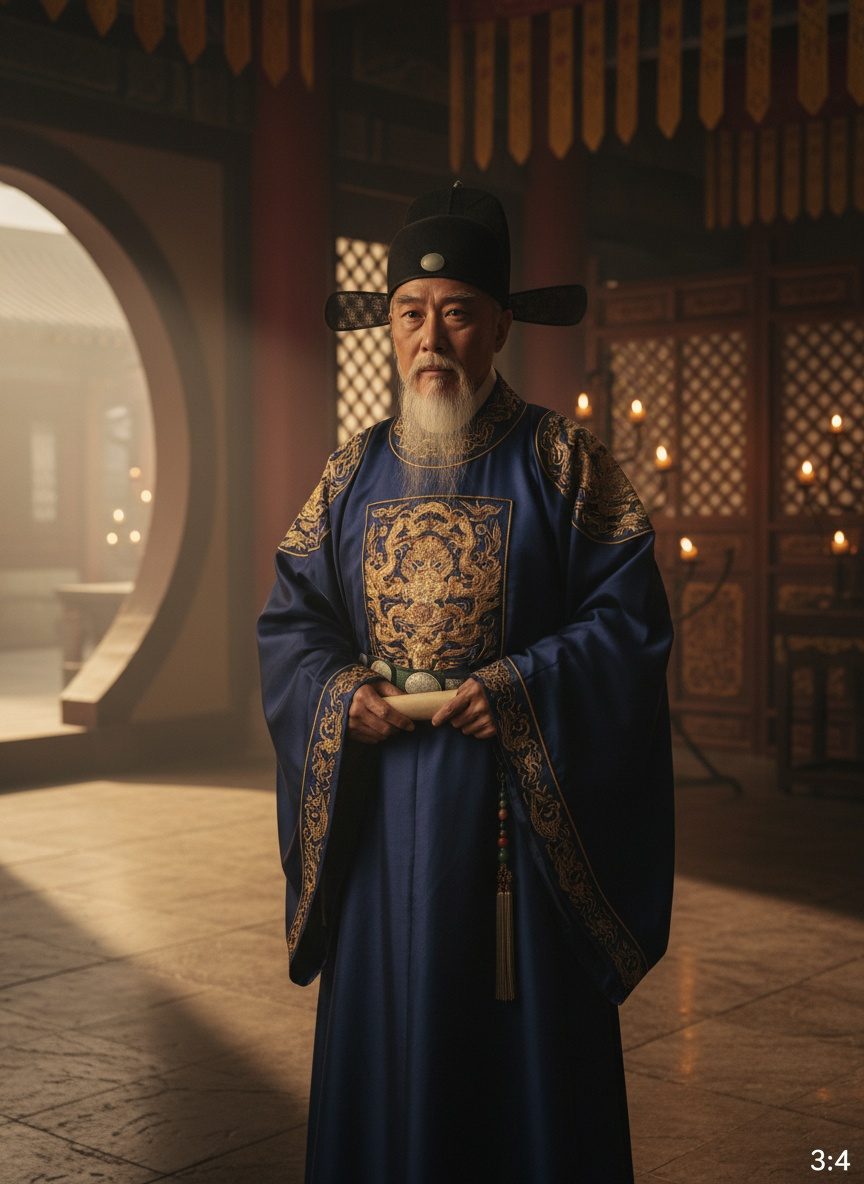
In the grandeur of the Northern Song Dynasty, Su Shi — known by his pen name Su Dongpo — was a towering figure. Celebrated as a polymath, his works resonated in the halls of power and the hearts of the common people alike. Born into a family of literati, Su's talent was evident from a young age, drawing him into the imperial court where he excelled as a poet, painter, and philosopher. He held esteemed positions, including that of governor, and seemed destined for greatness.
Yet, the political arena of medieval China was treacherous. The adulation Su enjoyed amassed envy and adversaries. His openness and wit, which delighted many, also offended those lurking in the shadows of imperial politics. In 1080, that animosity culminated in a catastrophic charge: Su was accused of defaming the court, a severe crime conjured by rivals determined to topple him. Stripped of his titles and power, Su was sentenced to exile, banished to a remote, marshy outpost on the empire's fringes.
Life in Exile
The desolate destination was Huangzhou, an isolated marshland fraught with challenges. Far from the elegance of the capital, it was a land where survival outweighed status. Here, Su Dongpo was left to fend for himself, far removed from the bustling epicenter of Song culture. His home became a humble dwelling on a plot of land called "Dongpo," or "Eastern Slope," lending him the moniker by which he is affectionately remembered.
While life in Huangzhou was filled with hardship, Su's indomitable spirit refused to be drowned in despair. The rhythm of rural life seeped into his being, offering a perspective removed from the court's entanglements. Even in exile, he immersed himself in the beauty of the natural world, engaging with farmers, observing the cycles of farming seasons, and finding solace in writing. The simplicity of the marshland catalyzed his introspection and creativity, leading to some of his most profound works.
The Poem That Captured a Dynasty
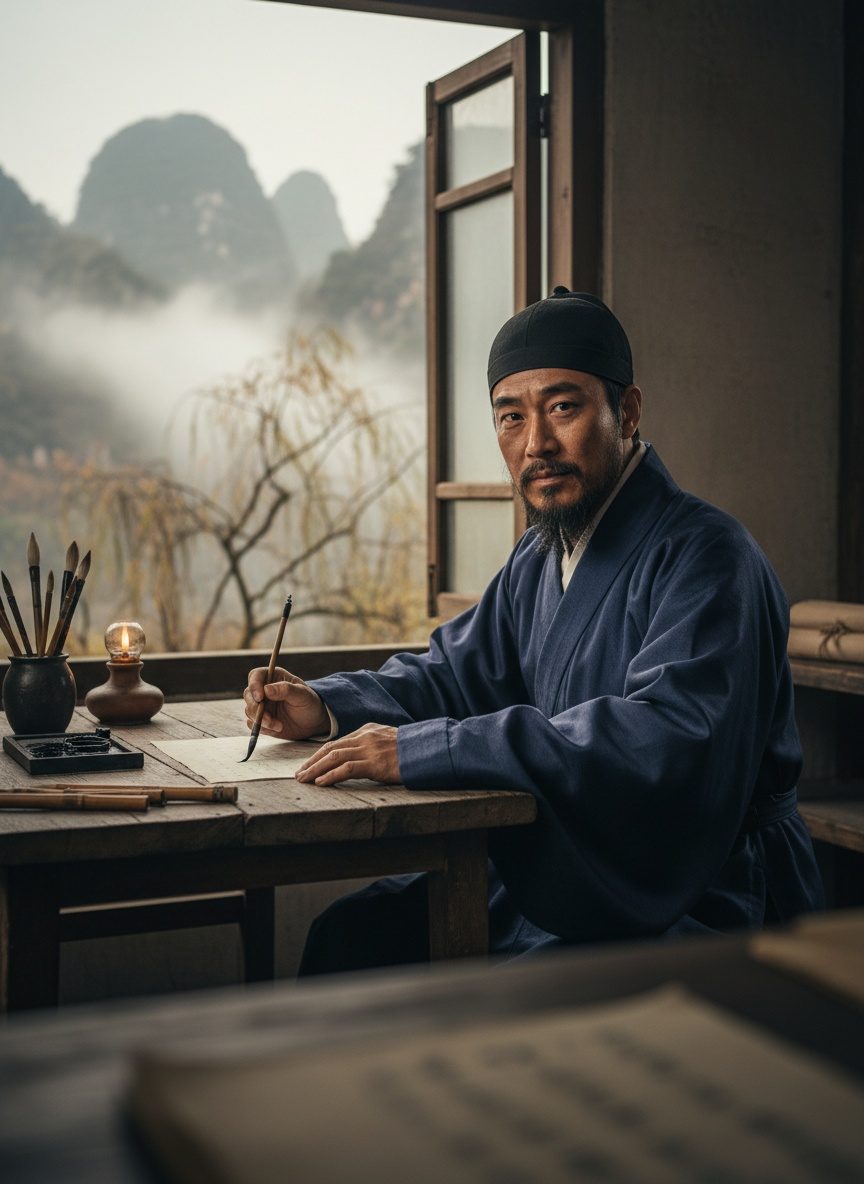
Amidst the reeds and waterscapes of Huangzhou, Su Dongpo penned a masterpiece that would resonate far beyond his modest dwelling. He composed "Prelude to Water Melody," a poem of remarkable beauty and reflective melancholy. In this work, Su captured the essence of his inner turmoil and defiance, wrapping them in lyrical mastery that stunned the literary world.
The poem, much like a calligrapher's brushstroke, was elegant yet bold. It navigated the delicate balance between acceptance and resistance, conveying Su's bittersweet acceptance of his fate but also a stubborn challenge to those who sought to silence him. As copies of his verses traveled back to the capital, they penetrated the hearts of readers, including the very circle that sought his downfall. The poem encapsulated human frailty and strength—such raw authenticity that it redefined Su's place in history.
Interestingly, the poem’s timing coincided with the mid-autumn festival—a season when the moon, at its fullest and brightest, ironically mirrored Su's own renascence in the face of adversity. The message was clear: titles may be stripped, but the light of a true poet’s soul continues to shine, untainted and immortal in its radiance.
Echoes Across Time
Su Dongpo's story of resilience and artistic brilliance transcends time, offering lessons that reverberate through centuries. Despite the oppressive structures of power, despite the personal vendettas that sought to extinguish his spirit, Su's response affirmed the indomitable nature of creativity and expression. His work not only enriched Chinese literature but also stood as a testament to the human condition — where adversity often fuels the brightest creations.
In reflecting upon Su Dongpo's life, we gain insight into the enduring power of art as a tool of resistance. As fans of history, perhaps this is the true marvel: that amid the trials cast by history's hand, the written word remains impervious, a bastion of defiance and human spirit. Su Dongpo's poem, born from the depths of exile, remains a bridge across the ages — a whisper from the past urging us to find beauty and strength in the face of our own challenges.