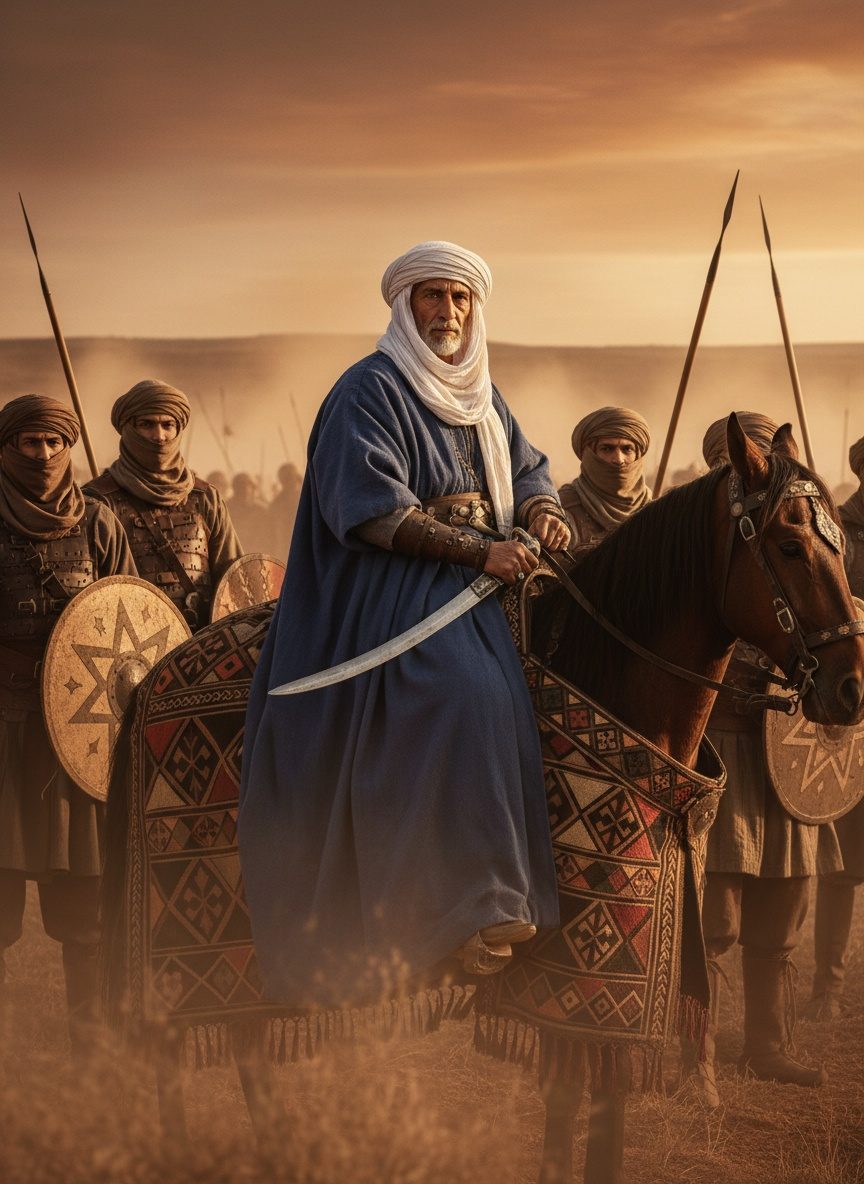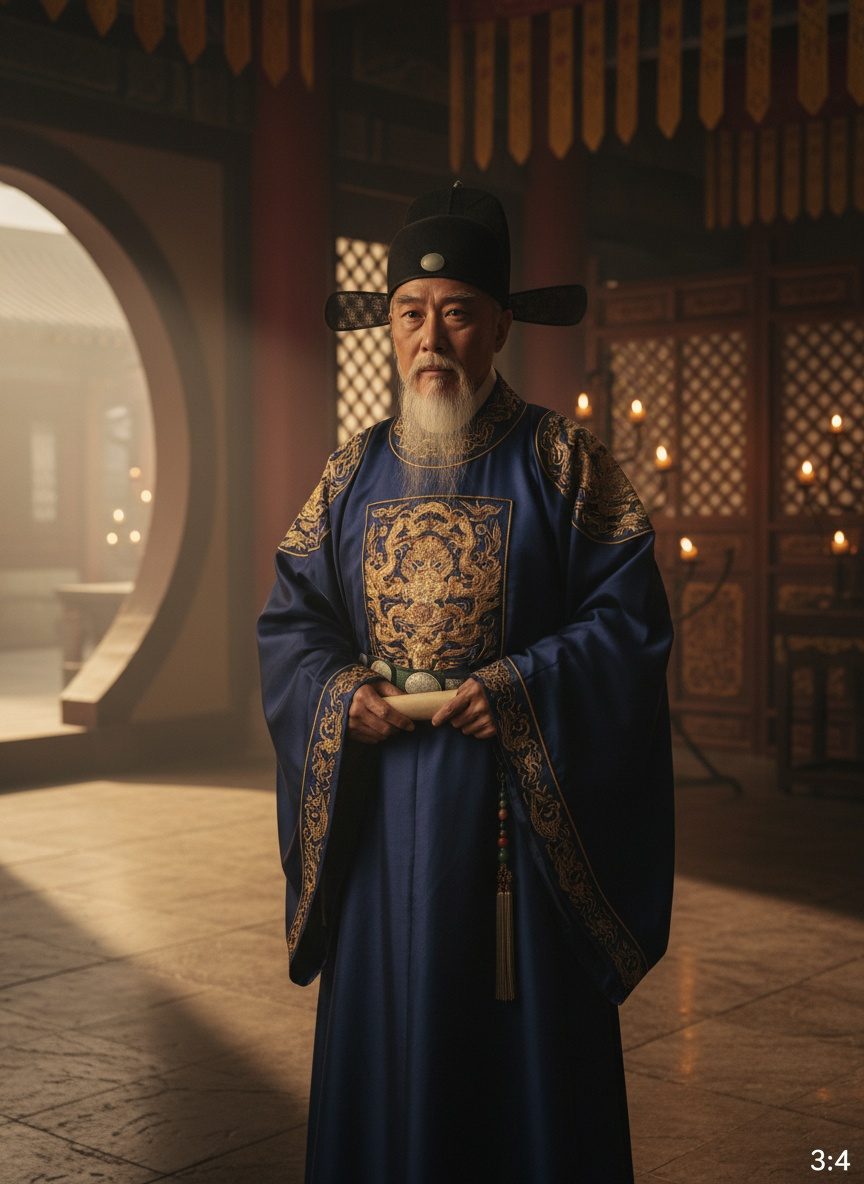
Feng Dao's fingertips brushed against the cool, unyielding marble of the imperial court as he knelt, an offer of unwavering loyalty on his lips. He lifted his eyes to meet those of the new emperor, yet another in a long succession of rulers who would govern this precarious era. The latest sovereign scrutinized the advisor standing at the vibrant threshold of the palace, the weight of countless dynastic falls etched like scrollwork on his lined visage. Each emperor who rose to power found the same stoic figure ready at the dais—unfaltering, unbroken.
The Loyal Alchemist: Turning Chaos into Purpose
During the turbulent period of the Five Dynasties, chaos was no stranger to the land that had once known unified rule under the Tang dynasty. Between 907 and 960 AD, five distinct yet ephemeral dynasties claimed the mandate of heaven in turn, each arriving with promises of renewal and stability and each crumbling under the tempest of endless warfare and political intrigue.
Feng Dao, however, carved out a legacy completely contrasting the prevailing impermanence of rule around him. With an unpretentious demeanor, this enduring minister served succession after succession, beginning with the Later Liang and threading his counsel through the Later Tang, Later Jin, Later Han, and ultimately, the Later Zhou. While others were swept away in tides of betrayal and retribution, Feng remained—a consistent beacon in a sea of changing tides.
What the annals will not tell you is the secret alchemy with which he transformed instability into purpose. He was not merely clinging to a role, but rather embodying the values of Confucianism himself. In a time when ambition frequently overwhelmed integrity, he deftly balanced personal commitment to the state above any allegiance to its many transient leaders.
The Dance of Survival: Adapting Without Design
While many of his contemporaries were either plotting their ascendancy or scheming to avoid ruin, Feng Dao’s survival was rooted in a sort of humble adaptation, akin to a bamboo bending under the force of a storm. He dedicated himself to the principles of administration, channeling a meditative serenity into each role he was tasked with—be it as a compiler of books, a renovator of philosophy, or an interpreter of law. In times when alliances were as volatile as spring floods, Feng stood apart, his oath to society robust, invoking a universal respect that transcended the capricious favor of monarchs.
Remarkably, his ability to merge duty with wisdom ensured that his status remained not one of vulnerability, but of essential presence. He did not cultivate friendships with the fickle giants of the times, yet nor did he make enemies. His silence, an eloquent tapestry that resisted treachery, spoke louder than the proclamations of those around him who eventually found themselves ensnared by their own ambitions.
A Witness to History: The Rise and Fall of Thrones
Feng Dao’s tenure as a high-ranking official in the imperial court unfolded through some of the most visceral episodes of Chinese history—episodes that mocked the notion of a controlled fate. The Later Liang, the first dynasty he served, rose amidst the ashes of the Tang dynasty, perpetuating decades of attrition through unrelenting strife. Successive dynasties emerge in the tapestry of history as transient dreams were overshadowed by opportunistic power struggles and failed coups that drew lines of division across the land.
Where others saw catastrophe, Feng saw continuity. Documents and treaties bore witness to his expert hand, while imperiled dynasties relied upon his adept counsel to stabilize what seemed irredeemable. He was not only an observer of these political symphonies but an active part of them. Yet, what remained breathtaking was his ability to maintain an unbroken line of honor and impartiality, which shielded him from the ruthless fates administered to his fellow ministers, who often miscalculated their grasp for prominence.
The Silence That Spoke Volumes: Understated Wisdom
Each change of rule was met by those not with cheers, but with doubt—a cipher for the unpredictability of times. Across lushly adorned halls, Feng moved like a shadow—a manifestation of temperance and intellect. When questioned about his resilient steadfastness, he would merely smile, never betraying the philosophies that guided him. His survival was not woven from words, but actions that sprung from a well of reverence for the societal order.
His authority came not from a loud voice or the sway of money, but from earnestly earned trust and respect. An aura of quiet power, intangible yet undeniable, kept him rooted through the storms that eradicated others. His mere presence in the court became emblematic of continuity; he was the thread that wove fragmentation into coherence, echoing notions of traditional Chinese morality.
A Legacy Beyond Titans: Endurance in Tales Untold
Amid the relentless narrative of imperial churn, Feng Dao’s story breathes renewed insight into an epoch marked by disunity and struggle. His tale is etched into the cultural consciousness not because of dramatic upheaval or monumental achievements, but because of the unwavering dedication and commitment to the ideals that underpin his leadership—forging a path that avoided the caustic tide of betrayal. As future generations utter his name, it is a reminder that virtue can survive amid chaos, whispering tales of endurance more profound than the resonant clangor of thrones.
While the names of the five dynasties might fade with the passing of centuries, Feng Dao’s mysterious smile and his quiet righteousness continue to beguile historians and laymen alike. He stands as a paragon of fidelity, a relic of an era marked by both magnificence and fragility. His story wraps history in a subtle moral fabric—one that affirms reverence over power as the key to weathering the vicissitudes of fate.