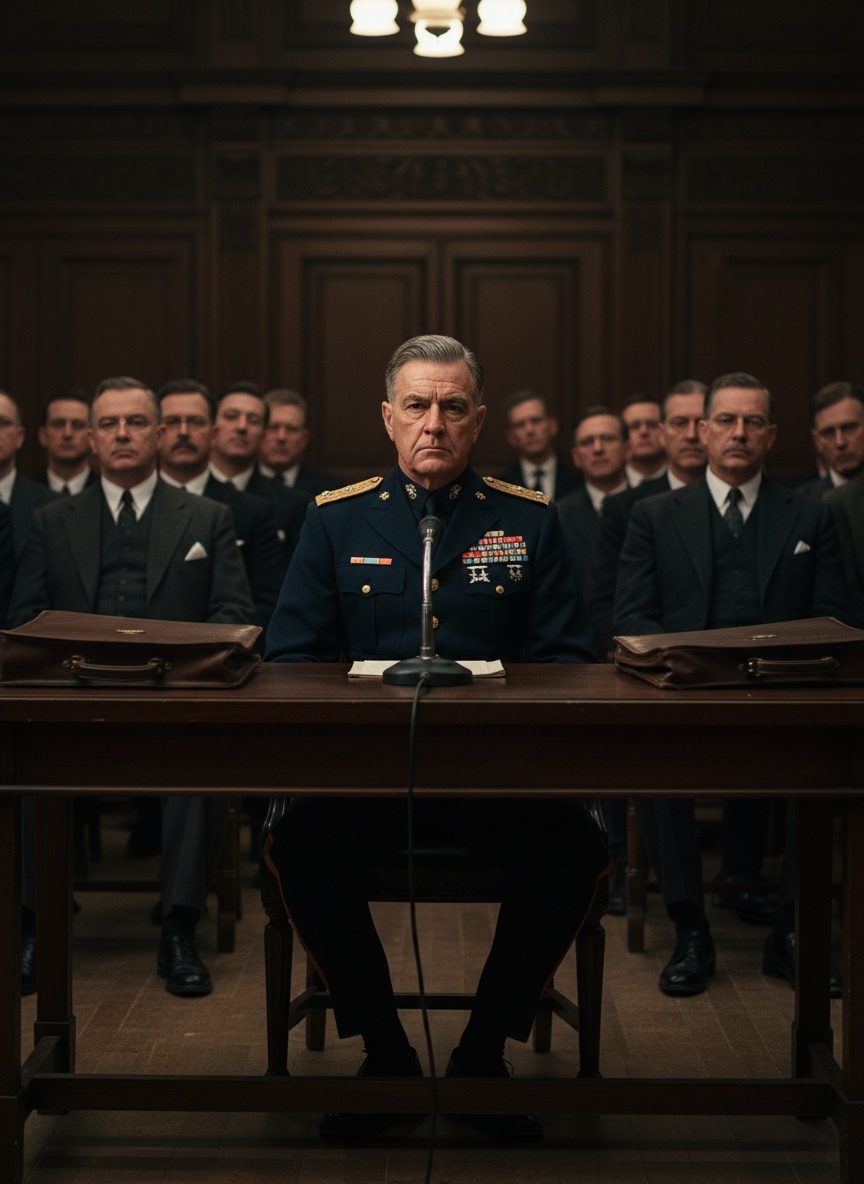
1934. A Marine's voice echoed through the halls of Congress.
The Making of a Warrior
Smedley Darlington Butler was a man forged in the fiery cauldron of war. Born into a Quaker family in West Chester, Pennsylvania, his path seemed destined to diverge sharply from his pacifist roots. At the tender age of 16, he lied about his age and enlisted in the Marine Corps during the Spanish-American War. This marked the beginning of a career that would stretch over three decades, making Butler the face of American military might across the globe. He served in the Philippines, China, Central America, the Caribbean, and France, a career characterized by both valor and controversy.
Decorated with two Medals of Honor for his actions in Veracruz and Haiti, Butler's exploits were often shrouded in myths and legends. His reputation for bravery and his penchant for speaking his mind set him apart. Yet for all his decorated service, Butler was beginning to see the darker side of his assignments. These overseas campaigns, he came to realize, were not the noble endeavors he had been led to believe. Instead, they were intertwined with the interests of Wall Street and giant corporations, driven more by financial gain than by any moral compass.
The Reality of War
The growing disillusionment with his battles took root in Butler's mind, gnawing at him as the years rolled on. He had led men into the trenches of World War I, but as he looked back, he saw the conflicts in Central and South America and the Caribbean in a new light. In Haiti, for example, American intervention had less to do with spreading democracy and more with protecting the financial interests tied to the sugar and fruit industries. Though bestowed with high military honors for his exploits, Butler couldn't shake the feeling that he was essentially working as an enforcer for wealthy business moguls.
Butler became vocal about these growing concerns after his retirement in 1931. His speeches and writings attacked the concept of war as a profit-driven enterprise and painted a stark picture of the military being used as a tool by corporate America. His most famous work, "War Is a Racket," penned in 1935, laid out these ideas in stark detail. But it was his testimony before Congress that firmly solidified his reputation as a man willing to speak truth to power.
Standing Before Congress
In 1934, amid the height of the Great Depression, Butler found himself in a unique position. The political climate was fraught with tension, and the whispers of conspiracy were in the air. The so-called "Business Plot" had supposedly aimed to overthrow President Franklin D. Roosevelt in a fascist coup, and Butler was approached to lead the insidious endeavor. Sensing the gravity of the situation, Butler took these allegations to the public and to Congress, where his testimony stunned the nation.
His testimony before the House of Representatives’ Special Committee on Un-American Activities was explosive. He laid bare a military career that had been manipulated by corporate interests, challenging the romanticized vision of American imperialism. Butler accused high-ranking officials and wealthy businessmen of using the military to protect their investments abroad. The revelations cast a harsh light on the underpinnings of U.S. foreign interventions, forcing the public and policymakers to question their understanding of patriotism and power.
The Echoes of a Marine's Warning
Butler's words resonated far beyond the halls of Congress. They peeled back the curtain, revealing the unsettling truth about the intertwining of military force and corporate interests. His allegations sparked controversy, outrage, and debate—though a formal investigation never resulted in any indictments, leaving historians to ponder the true scope of the conspiracy.
The courage it took for Butler to stand and speak unfettered was not merely an act of defiance against corrupt ambitions but a testament to a deeper moral conviction. This tale of a decorated veteran turned whistleblower serves as a warning and a reminder. Butler's revelations encourage ongoing scrutiny of how wars are waged and by whose orders. In a landscape where global powers often act beyond the purview of the public eye, his words remain a haunting reminder of the fine line between defending the national interest and serving the faceless giants of industry. It is a story that continues to provoke thought on the ethics of military conflicts and the integrity of national service—a dialogue that should never cease.