The desert wind cut sharply across the arid landscape, stirring the sand into brisk eddies that danced around the sparse vegetation. Beneath a blazing sun, the desolation stretched seemingly without end, each dune a wave frozen in time under the sky's indifferent azure. This was the desert that lay beyond Egypt's secure borders, a harsh territory where survival was a constant challenge. It was into this unforgiving land that Sinuhe once fled, abandoning a life of privilege in a moment that would alter the course of his existence.
The Whispers That Changed Everything
The year was 1971 BC, in the heart of Egypt's Middle Kingdom—a period known for its unity and relative stability. As a trusted official, Sinuhe had walked the corridors of power, serving the royal family with diligence and loyalty. Yet, it was here, amid the regal whispers and secrets of the Egyptian court, that Sinuhe heard something he should not have. Details of the exact conversation have been lost to time, wrapped in mystery like the sands of the desert itself. However, what is clear is the impact: Sinuhe, shaken and fearing for his life, made a precipitous decision.
Seizing the moment, he fled Egypt, not stopping to look back. In those frantic moments of escape, Sinuhe left behind more than a career; he abandoned his family, his home, and his very identity. He traversed the familiar boundaries of his nation into the barren expanse of the wilderness, where survival was uncertain. In doing so, Sinuhe traded the honor of prosperity for the uncertainty of exile.
A New Life in a Foreign Land
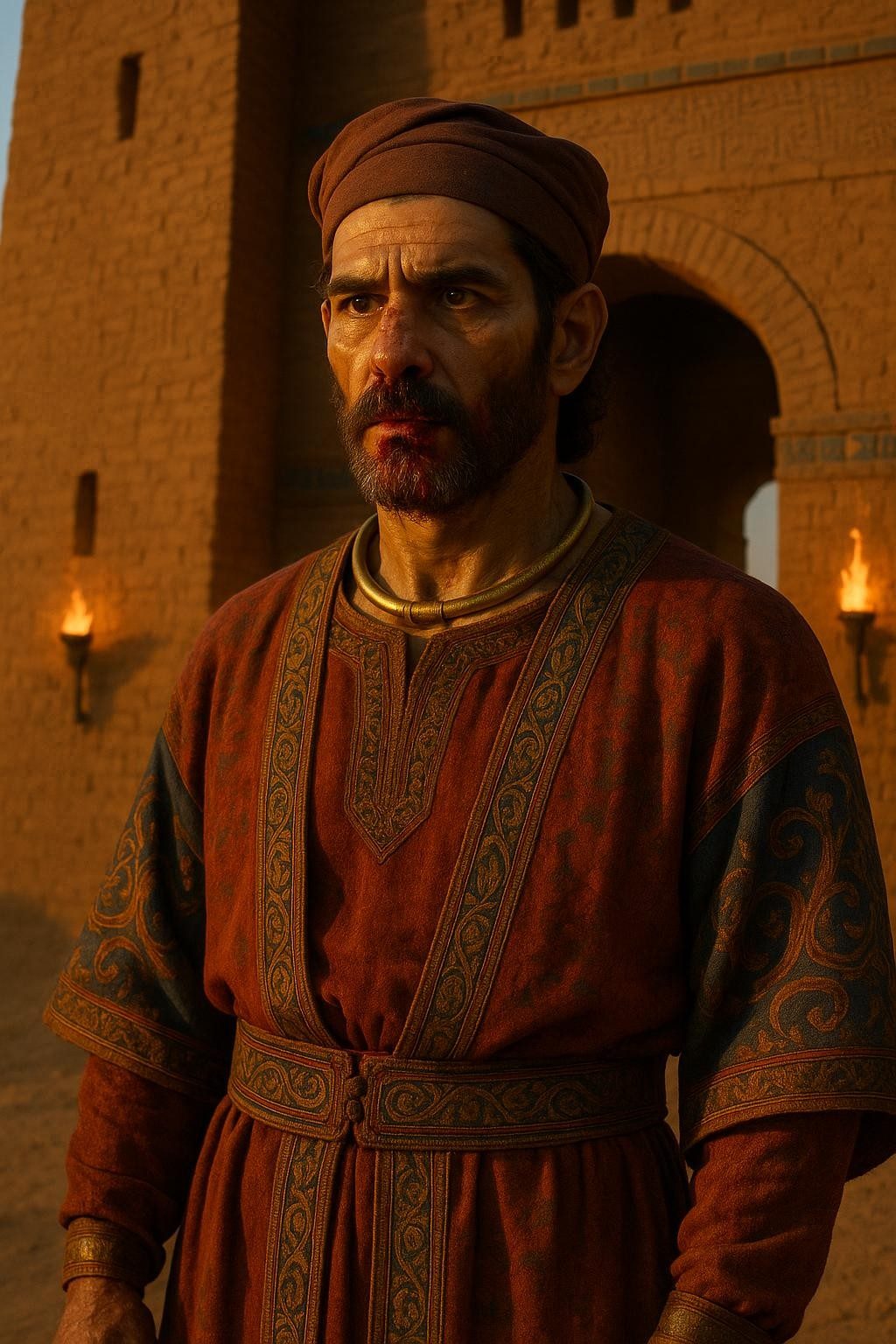
Having secured his escape, Sinuhe journeyed north to Canaan, a land of stark contrasts with Egypt's fertile abundance. Here, among the hills and settlements of this rugged territory, Sinuhe rebuilt his life like the phoenix rising from its ashes. Time and again, he proved his ingenuity and resolve, ultimately rising to prominence in his adopted homeland.
Even in this foreign environment, Sinuhe's talents couldn’t remain hidden. With a keen mind and a tactician's prowess, he gained the trust of local rulers, ultimately leading armies into battle. His exploits in Canaan earned him a reputation as a skilled warrior and a wise leader. Yet, despite these achievements, the pull of his homeland was inescapable. In the quiet moments, when night descended and the cool wind swept over the sands, whispers of Egypt's distant allure reached Sinuhe, reminding him of everything he had lost.
The Longing for Home
Though Sinuhe's days were filled with the duties and demands of his adopted life, his heart remained tethered to Egypt by invisible strings of memory and longing. The Egyptian concept of ma'at, or truth and order, underscored his desires. It was an ideal he could not attain outside the Nile's embrace, no matter the wealth or power he acquired in Canaan. As the years passed, an inner restlessness chronicled his isolation from everything that once defined him.
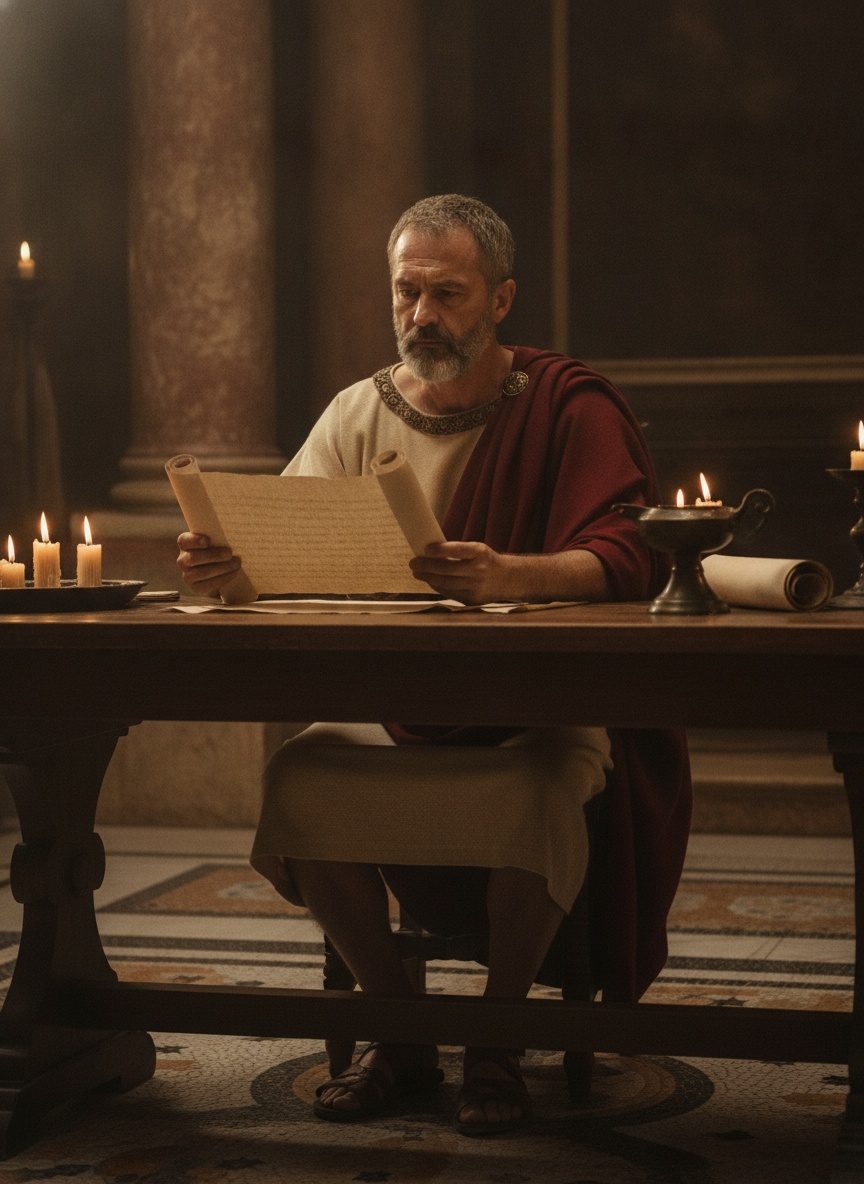
His longing crystallized into a singular desire—to return to Egypt, not just in life but in death. Sinuhe knew that to achieve peace in the afterlife, his body must rest in the land of his birth, under Egypt's sacred skies. Aware that an official pardon was necessary for his homecoming, Sinuhe penned a heartfelt petition to the Pharaoh, expressing contrition and pleading for forgiveness. He wished not just to return physically, but for the royal acknowledgment that would restore his honor and integrate him back into the nation’s heartbeat.
Homecoming and Redemption
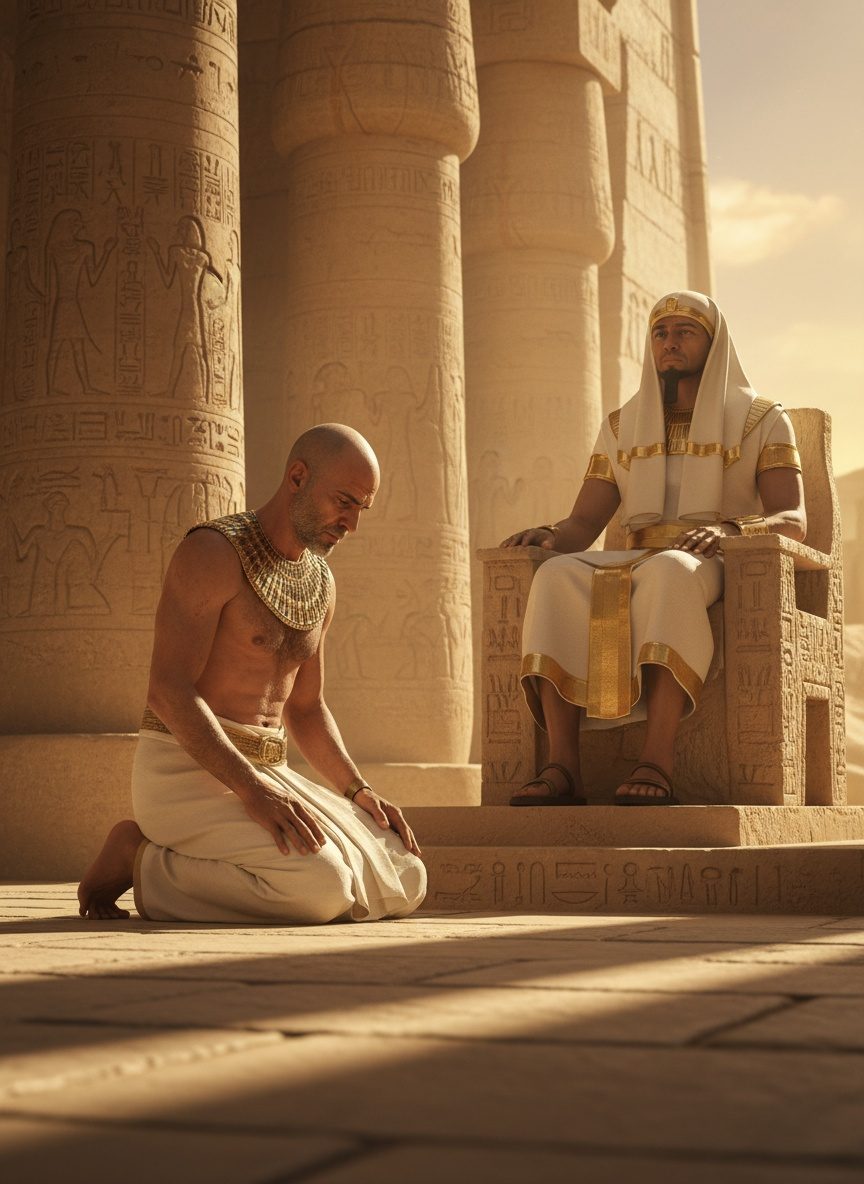
The Pharaoh's response was gracious and benevolent, embodying the spirit of reconciliation rather than retribution. It was not merely a personal act of clemency but a political gesture affirming the values of loyalty and forgiveness deeply embedded in Egypt's governance. The decree offering Sinuhe the chance to reclaim his life within Egypt's borders reached him with the warmth of long-desired solace.
Sinuhe's journey home was not solely a physical return but a profound reintegration into the society and life from which he had fled in fear. Upon his return, the marks of exile were gently smoothed away by the sands of Egypt's acceptance. He was welcomed back into reputable service, his legacy restored in a land that once seemed lost to him forever.
Why does this ancient story still resonate today? Perhaps it is because Sinuhe's tale speaks to the universal human themes of identity, belonging, and the profound connection to one's homeland. Across the millennia, it challenges us to consider the lengths to which we would go to reclaim the essence of who we are. The story of Sinuhe invites reflection on the idea that the lands we call home shape us deeply, and when we are cast adrift, the quest to return becomes the quest to rediscover ourselves.