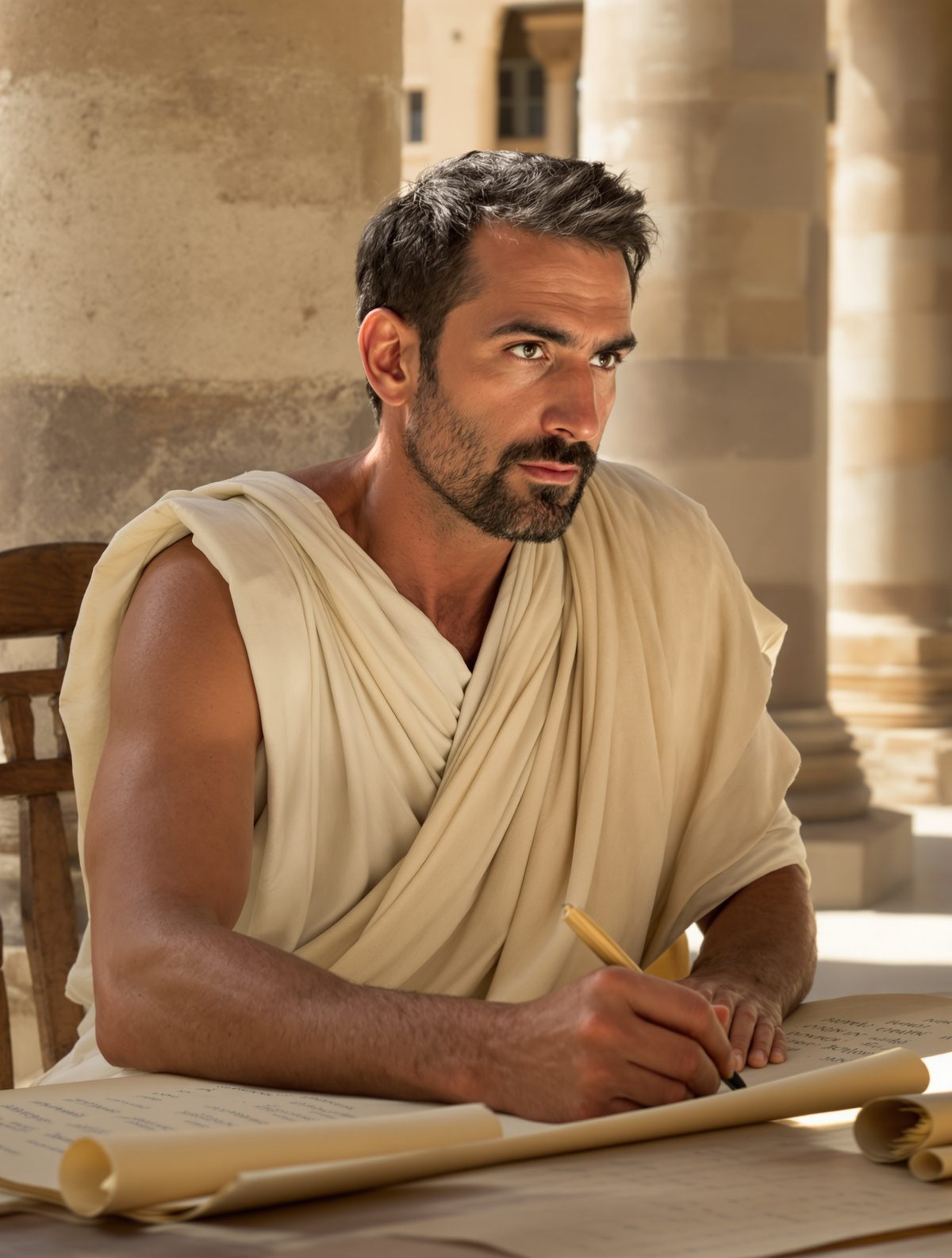
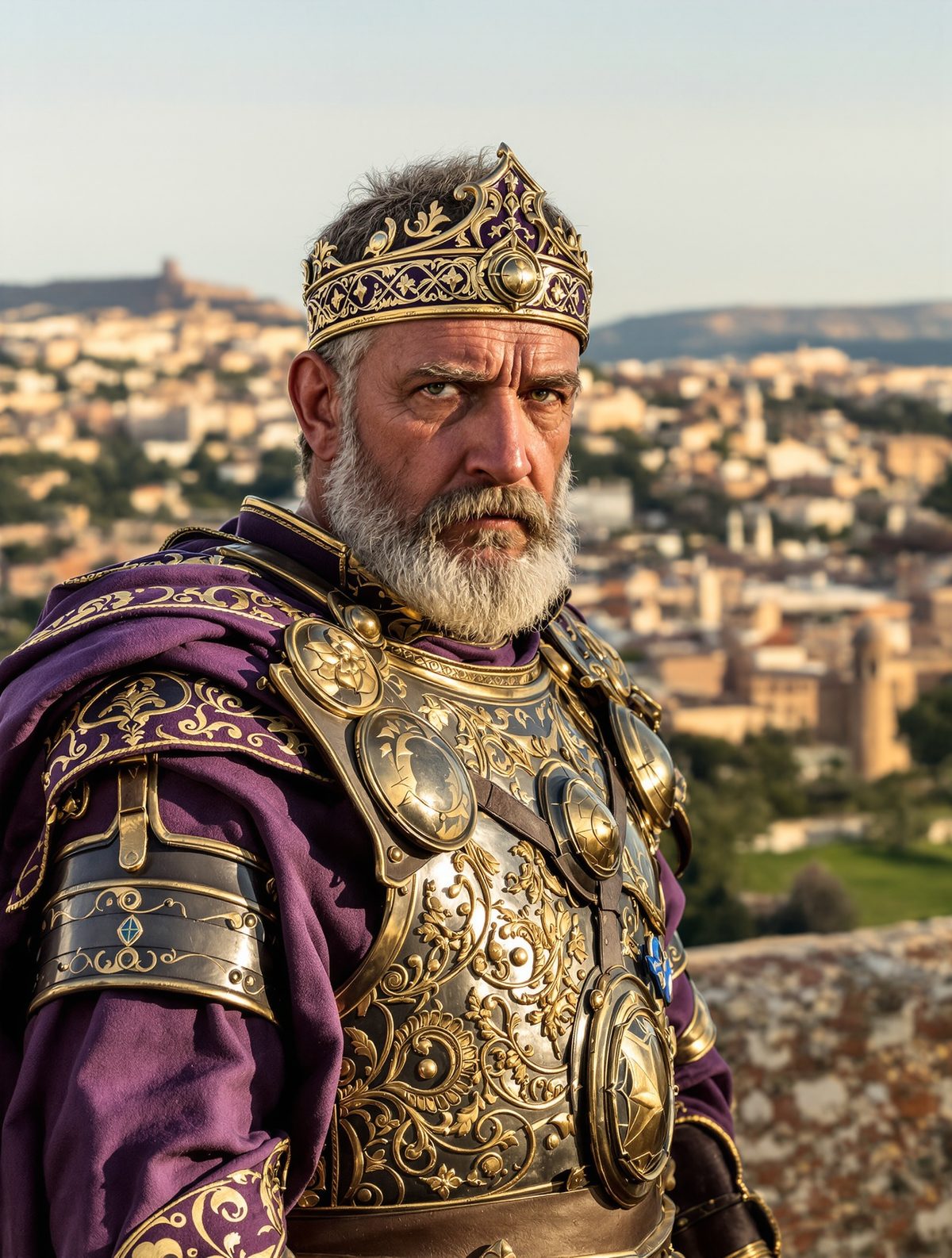
Picture this: it's the year 2090 BC, and the most powerful king in Mesopotamia has just made a promise that could either cement his divine status or destroy his reputation forever. King Shulgi of Ur, ruler of the world's first great empire, stands before a crowd of nobles and priests in the sacred city of Nippur. The morning sun beats down on the ziggurat's stepped walls as he raises his voice to make an announcement that will echo through history.
"I will run from this holy city to Ur before the sun sets," he declares, his voice carrying across the plaza. "I will cover the distance that takes a caravan three days in just one day, for I am not merely your king—I am blessed with divine speed."
The crowd falls silent. The distance between Nippur and Ur stretches over 100 miles across the harsh Mesopotamian landscape. No human being has ever attempted such a feat, let alone a middle-aged king. Yet Shulgi stands confident, about to embark on what may be history's first recorded ultramarathon—and certainly its most politically charged one.
The King Who Rewrote the Rules of Power
Shulgi wasn't your typical ancient ruler content to govern from a throne room. Reigning from 2094 to 2047 BC, he transformed the Sumerian kingdom of Ur into the Neo-Sumerian Empire, stretching from the Persian Gulf to the mountains of Iran. But what truly set him apart was his revolutionary approach to kingship—he didn't just claim to rule by divine right, he attempted to prove it through spectacular physical feats.
In an era when most kings demonstrated their power through warfare and monument-building, Shulgi chose athletics. He boasted of his prowess as a warrior, musician, and scholar, but it was his claims about his superhuman running ability that captured the imagination of his subjects. Ancient tablets record him bragging that he could "run like a thoroughbred horse" and that his speed was a gift from the gods themselves.
This wasn't mere royal posturing. In ancient Mesopotamia, physical prowess was considered a direct manifestation of divine favor. If Shulgi could prove he possessed superhuman abilities, it would legitimize his rule in ways that armies and taxes never could. But it also meant that failure would be catastrophic—a king who claimed godlike powers and fell short would be seen as a fraud or, worse, as someone the gods had abandoned.
The Route of the Impossible
The path Shulgi chose for his legendary run was no accident. Nippur, his starting point, was considered the most sacred city in Mesopotamia, home to the temple of Enlil, the king of the gods. Ur, his destination, was his capital city and the center of his earthly power. By running between these two cities, he was literally connecting the divine and mortal realms through his own physical effort.
The route itself presented a daunting challenge. Stretching approximately 160 kilometers (100 miles) across the flat alluvial plains of southern Iraq, the path would take Shulgi through scorching desert, past irrigation canals, and across the beds of ancient rivers. There were no paved roads, no rest stops, no GPS—just endless stretches of sand, mud, and sparse vegetation under the merciless Mesopotamian sun.
Archaeological evidence suggests that average travel time between the two cities by foot was typically three to four days for ordinary mortals. Even traveling by donkey or ox-cart, the journey usually took at least two days. For a single person to cover this distance in one day would require maintaining an average speed of over 6 miles per hour for more than 16 hours—a pace that would challenge even modern ultramarathon athletes with their specialized training and equipment.
The Day That Made History
On the appointed day, crowds gathered at both cities and at villages along the route. This wasn't just a royal publicity stunt—it was a test of divine favor that would be witnessed by thousands. Cuneiform tablets from the period describe how people lined the roads, bringing water and food not for the king (who had declared he would need no earthly sustenance), but for themselves as they waited to witness either a miracle or a spectacular failure.
Shulgi began his run at dawn from the ziggurat of Nippur, wearing simple running attire that ancient texts describe as lighter than typical royal garments. Unlike modern marathoners with their high-tech shoes and moisture-wicking fabrics, he likely ran in leather sandals and a short linen tunic. No water bottles, no energy gels, no support crew—just a king, his determination, and the watching eyes of his empire.
Contemporary accounts describe how messengers on horseback rode ahead of the king, announcing his approach to the crowds gathered along the route. As the hours passed and reports came back that Shulgi was maintaining his impossible pace, excitement built to a fever pitch. By afternoon, the news had spread that the king was not only still running but seemed to be gaining strength rather than tiring.
As the sun began to set, crowds in Ur strained their eyes toward the northern road. Then, in the gathering dusk, a lone figure appeared on the horizon. King Shulgi, somehow still running strong, crossed into his capital city as darkness fell, completing his impossible journey and cementing his place in history as either the world's first ultramarathon champion or its most successful royal hoaxer.
Divine Speed or Royal Deception?
Modern historians have long debated whether Shulgi actually completed this legendary run. Some scholars suggest that the king may have employed an elaborate deception involving multiple runners, strategic rest stops, or even body doubles to create the illusion of a single continuous journey. The technology and record-keeping systems of the time would have made such trickery relatively easy to execute and difficult to detect.
However, other evidence suggests that Shulgi's feat might have been genuine. The king's other documented athletic achievements, including his prowess in hunting and warfare, indicate exceptional physical conditioning. Moreover, the detailed nature of the historical records, including specific times and locations along the route, suggests that this was a carefully planned and seriously attempted endeavor rather than mere propaganda.
There's also the matter of motivation. Staging a fake divine miracle would have been incredibly risky for a king whose power depended on maintaining the appearance of divine favor. If the deception had been discovered, it would have meant not just political ruin but likely death. The stakes were simply too high for an elaborate hoax.
The King Who Ran Into Legend
Whether real or fabricated, Shulgi's great run became the foundation of his legend and a cornerstone of his political power. For the remaining decades of his 47-year reign, he would point to this feat as proof of his divine nature. The story spread throughout the ancient world, influencing how subsequent rulers would attempt to demonstrate their legitimacy.
The run also had practical political benefits. It demonstrated Shulgi's intimate knowledge of his kingdom's geography and his ability to travel rapidly between its far-flung territories—a crucial advantage in an age when communication moved at the speed of the fastest horse. Governors and rival kings would think twice about rebellion when faced with a ruler who could apparently appear anywhere in his kingdom within days.
More importantly, it established a new model of kingship that emphasized personal excellence rather than just inherited authority. Shulgi's message was clear: he didn't rule simply because he was born to rule, but because he possessed capabilities that set him apart from ordinary mortals.
The Eternal Sprint
Shulgi's legendary run offers a fascinating glimpse into the psychology of power in the ancient world, where the line between political theater and religious belief was razor-thin. In an age before mass media, a ruler's reputation depended on spectacular public demonstrations of their unique qualifications to lead. Whether Shulgi actually ran 100 miles in a day or simply convinced his subjects that he had, he understood something fundamental about leadership: sometimes the most powerful tool a leader can wield is not a sword or a law, but a story that captures people's imagination.
Today, as we watch modern leaders craft their public personas through carefully managed media appearances and social networks, Shulgi's great run reminds us that the desire to prove oneself through extraordinary feats is as old as civilization itself. The question isn't whether his divine speed was real—it's whether the story he told about himself was powerful enough to reshape reality. And by that measure, Shulgi didn't just win his race; he's still running, 4,000 years later, through the corridors of history and into our collective memory of what it means to lead.