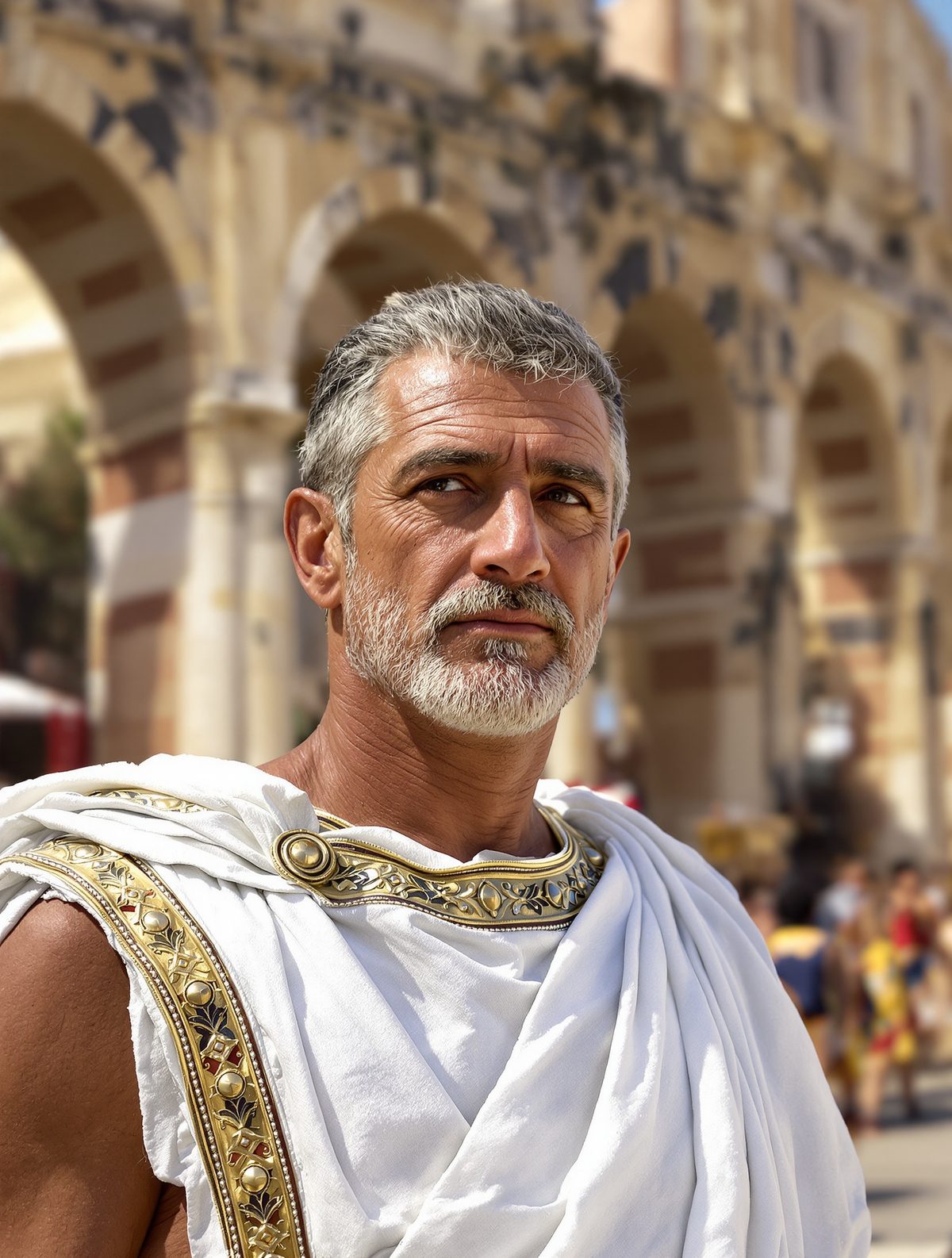
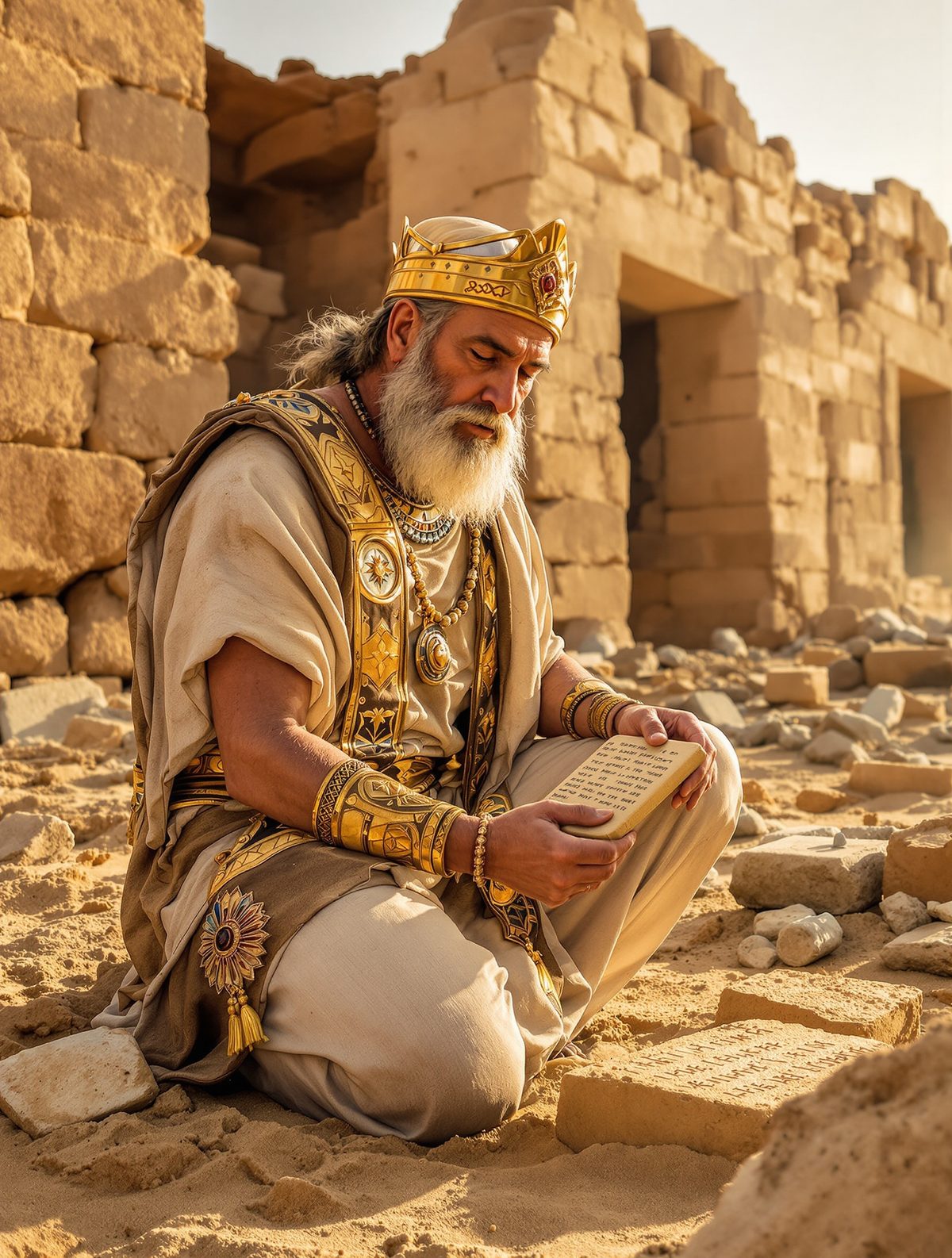
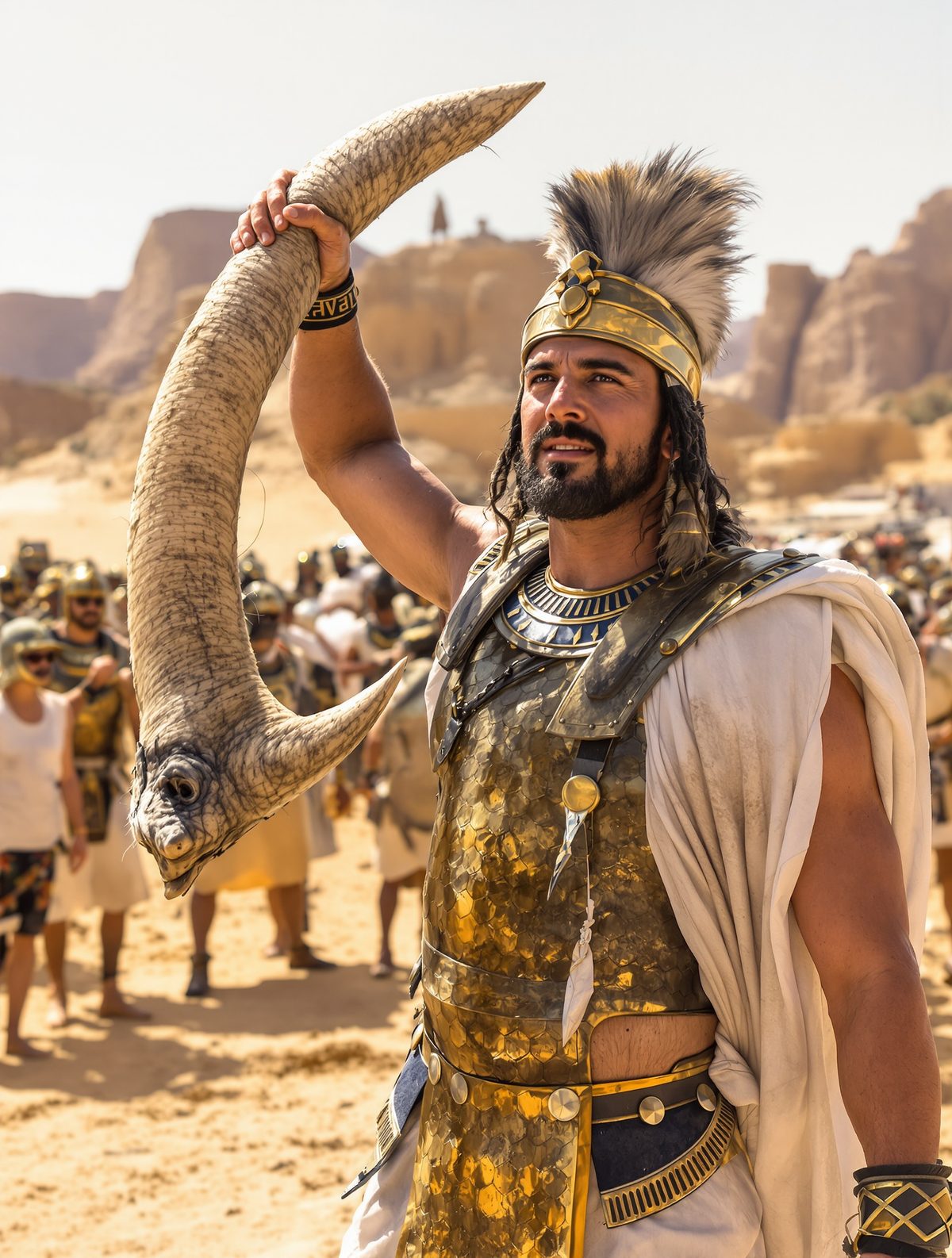
The palace corridors echoed with screams and the clash of steel against flesh. Blood splattered across marble floors as Praetorian Guards hacked down Emperor Caligula in the shadowy tunnels beneath Rome's imperial residence. It was January 24th, 41 AD, and the most powerful man in the world had just been butchered by his own bodyguards. While senators rushed to the Forum to debate restoring the Republic, one man cowered behind a curtain in the palace above, certain his death was imminent.
That trembling figure was Tiberius Claudius Caesar Augustus Germanicus—known to history simply as Claudius. The 50-year-old scholar stammered, limped, and drooled when nervous. His own family had hidden him away for decades, embarrassed by his disabilities. Yet in a matter of hours, this unlikely man would become Emperor of Rome, pulled from his hiding spot by the very guards who had just committed regicide.
The Unlikely Imperial Uncle
To understand how a man hiding behind curtains became Caesar, we must first grasp just how improbable Claudius's survival had been up to this point. Born with what modern doctors believe was cerebral palsy or perhaps polio, Claudius had spent his life as the family embarrassment. His grandmother Livia called him "a monster." His mother Antonia said he was "not finished by nature." Even his nephew Caligula kept him around primarily for entertainment, forcing the distinguished senator to perform humiliating tricks at dinner parties.
But Claudius possessed something his more physically impressive relatives lacked: genuine intelligence and scholarly passion. While other members of the imperial family plotted and schemed, Claudius buried himself in libraries. He wrote histories of the Etruscans and Carthaginians, created a reformed Latin alphabet, and became one of Rome's most learned men. His apparent harmlessness and obsession with dusty scrolls made him the perfect imperial survivor—too pathetic to be seen as a threat, too useful as comic relief to be eliminated.
This strategy of survival through insignificance had served him well through the reigns of Augustus, Tiberius, and now the increasingly unhinged Caligula. Little did anyone suspect that the stammering scholar taking notes in the corner would soon wield absolute power over an empire stretching from Britain to the Euphrates.
A Palace Bloodbath
By 41 AD, Caligula had pushed Rome to the breaking point. The emperor who had started with promise had descended into what can only be described as megalomaniacal madness. He declared himself a living god, had sexual relations with his sisters, appointed his horse Incitatus as a priest, and once declared war on Neptune, ordering his soldiers to collect seashells as "spoils of victory." His spending had nearly bankrupted the empire, while his cruelty terrorized even the highest ranks of Roman society.
The final straw came when Caligula announced plans to move permanently to Alexandria, where he could be worshipped more appropriately as a deity. For the Praetorian Guard, this threat to abandon Rome itself was too much. A conspiracy formed around Cassius Chaerea, a respected centurion whom Caligula had repeatedly humiliated with obscene passwords and effeminate gestures.
On January 24th, during the Palatine Games, the conspirators struck. As Caligula left the theater through a narrow underground passage, Chaerea and his fellow plotters surrounded the emperor. "Remember, we must strike home!" Chaerea shouted, using the day's password with bitter irony. Within moments, thirty wounds covered Caligula's body. The mad emperor was dead at age 28, having ruled for less than four years.
But the bloodbath didn't end there. The guards also murdered Caligula's wife Caesonia and smashed his infant daughter's head against a wall, ensuring no direct heirs survived. The Julio-Claudian dynasty seemed finished.
The Curtain Call of History
While senators rushed to the Forum to debate Rome's political future—many genuinely believing they could restore the Republic that had died with Julius Caesar nearly a century earlier—Claudius knew none of this. He had witnessed the initial commotion and, fearing for his life, did what had always worked before: he made himself invisible.
According to the historian Josephus, Claudius slipped away from the chaos and hid behind a curtain in the palace. Some accounts place him behind drapes in Caligula's quarters; others suggest he cowered in a doorway covered by hanging fabric. Regardless of the exact location, the image is striking: the future emperor of Rome, trembling behind cloth, waiting for death to find him.
What happened next reads like a scene from a dark comedy. A Praetorian guardsman named Gratus, searching the palace for surviving family members, spotted feet protruding from beneath the curtain. When he pulled back the fabric, he found not a cowering victim, but the solution to a massive problem.
The guards faced a dilemma they hadn't fully considered. They had killed the emperor, but Rome needed a Caesar. The alternative—a return to Republican chaos or civil war between competing generals—held little appeal for professional soldiers whose livelihoods depended on imperial stability. Claudius, as Caligula's uncle and the last adult male of the imperial family, represented continuity without the baggage of his predecessor's madness.
From Coward to Caesar
The moment of Claudius's discovery must rank among history's most surreal. Here was a man who had never commanded armies, never governed provinces, never even been taken seriously by his own family. His greatest accomplishments involved translating ancient texts and proposing spelling reforms. Yet suddenly, Praetorian Guards were kneeling before him and hailing him as Imperator.
Claudius's initial reaction was pure terror. He begged for his life, promising he had done nothing wrong. When the guards explained they wanted to make him emperor, he thought it was a cruel joke. The man who had survived by being overlooked now found himself thrust into the most visible position in the ancient world.
The Praetorian Guards carried their reluctant candidate to their camp, where they demanded the loyalty oath of their fellow soldiers. To sweeten the deal, Claudius promised each guardsman a bonus of 15,000 sesterces—roughly five years' wages for a common soldier. It was the first documented case of an emperor buying his throne with direct cash payments to the military, setting a dangerous precedent for future successions.
Meanwhile, in the Senate, debates raged about restoring Republican government. But senators who had grown comfortable with imperial patronage found their idealistic speeches rang hollow when faced with Praetorian swords. By dawn on January 25th, reality had set in: Claudius was emperor, whether they liked it or not.
The Accidental Great Emperor
What makes Claudius's story truly remarkable isn't just how he became emperor, but how effective he proved to be. The stammering scholar who hid behind curtains transformed into one of Rome's more competent rulers. During his 13-year reign, he conquered Britain, built impressive public works including new aqueducts and the port of Ostia, reformed the legal system, and generally governed with wisdom his family had never suspected he possessed.
Claudius proved that intellectual curiosity and administrative competence could trump military glory and political charisma. He approached governing like a research project, diving deep into legal precedents, provincial administration, and infrastructure needs. His scholarly background made him uniquely suited to understand the complex machinery of empire.
The man once mocked as a drooling fool became known for his accessibility to common citizens, his fair treatment of slaves and foreigners, and his expansion of Roman citizenship. He even fulfilled a dream Julius Caesar never achieved: adding Britain to the empire, personally traveling to the island to accept the surrender of eleven British kings.
The Scholar's Last Lesson
Claudius's transformation from cowering academic to competent emperor offers a timeless lesson about leadership and human potential. In our age of carefully curated public images and professional politicians, there's something refreshing about an accidental leader who succeeded through curiosity, diligence, and genuine concern for effective governance rather than personal ambition.
His story also illuminates the thin line between survival and power in any political system. The same qualities that made Claudius seem harmless—his scholarly nature, physical disabilities, and lack of traditional ambition—ultimately enabled his success as emperor. Sometimes the best leaders are those who never sought leadership, who understand power's responsibilities rather than just its privileges.
The curtain that briefly hid Claudius from history ultimately revealed something profound: that true leadership can emerge from the most unlikely places, and that intellectual depth might matter more than political polish. In our current era of global uncertainty, perhaps we could use more leaders who approach complex problems like scholars rather than showmen—individuals who would rather read ancient histories than write their own headlines.
After all, sometimes the person trembling behind the curtain possesses exactly the qualities needed to step onto history's stage.