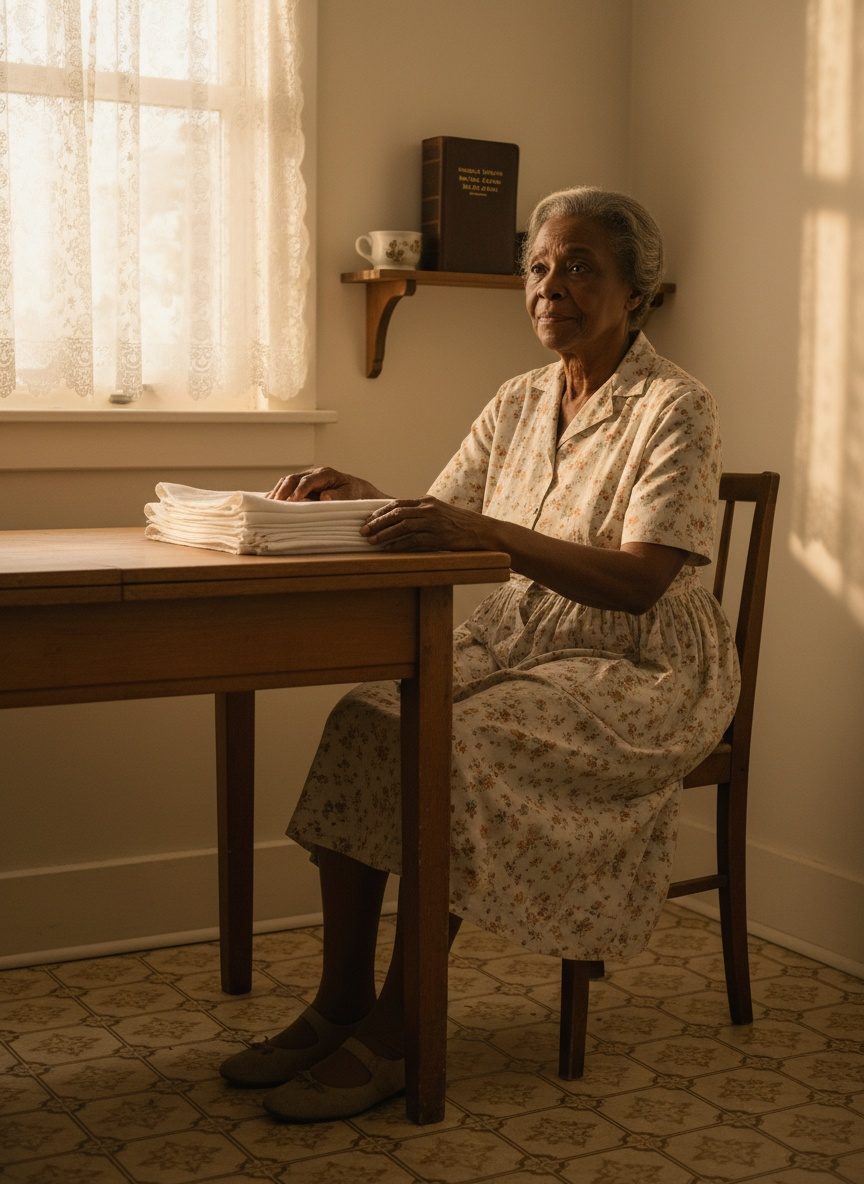
She never owned a car. She never even owned a TV. Yet, Oseola McCarty’s influence reached far beyond her small Mississippi town.
The Humble Beginnings of a Laundress
Deep in the Southern heart of Hattiesburg, Mississippi, Oseola McCarty's life was as unassuming as it was resilient. Born into a world where opportunity was a rare luxury, McCarty learned early on that hard work would shape her path. Starting at approximately eight years old, she picked up the grueling task of washing laundry to support her family. Her mother, having fallen ill, could no longer manage household chores. For Oseola, education was a secondary priority to survival; she left school in the sixth grade, dedicating her days to scrubbing and rinsing clothes by hand. Her customers came from all shades of life in Hattiesburg, but all came for the promise of her clean, crisp wash.
Despite her lack of formal education, McCarty nurtured a talent for saving. Her early days of earning spare change transformed into a lifelong habit. Her simple routine—work, faith, and saving—became the silent promise of a better future. The world changed around her, yet Oseola's world remained centered on the laundry she painstakingly washed, dried, and folded.
A Life Lived Frugally
Oseola McCarty's lifestyle was as economical as the life she led. Purposeful in its simplicity, she avoided the indulgences many take for granted. She traveled everywhere by foot, a twenty-block radius she knew intimately well. Cradled between her modest church and humble home, hers was a world that existed without television, driven by the rhythm of work and community.
Eating what she cooked, wearing what she laundered, McCarty was indeed a frugal woman. Yet this frugality was not born of necessity alone. For Oseola, restraint was a personal value; her life's accumulation was built on it. Every dollar was precious, and with methodical foresight, she banked her earnings. Over decades, her habit turned into a significant sum, one dime at a time.
The Gift That Made History
Not until arthritis forced her hands to rest did Oseola McCarty face a new chapter. Her body, once a vessel of labor, whispered its limitations, and so she approached her banker. With humility that typified her being, she placed ten dimes across a table—each representing a portion of her savings—and outlined her wishes.
In 1995, McCarty made a miraculous donation of $150,000 to the University of Southern Mississippi. This amount, amassed through decades of thrift, was designated for scholarships to assist students who needed financial support to achieve what she couldn't—a higher education. Oseola’s generosity caught the attention of a nation, surprising even those who understood the historical racial and economic barriers scarring the South. Suddenly, she was woven into the fabric of a larger American story.
Ripples Beyond Hattiesburg
Oseola McCarty's gift resonated far beyond Hattiesburg, touching lives and inspiring others to consider the power of purpose over wealth. In a post-Oseola world, she became a symbol of quiet fortitude and selflessness. Letters from strangers filled her mailbox, each one a testament to her influence. Distinguished awards, including an honorary degree from Harvard University, followed without her seeking them.
Institutions like the Presidential Medal of Freedom recognized her contribution, furthering the impact of her message: *one's life need not be grand to be significant*. Motivated by her example, others came forward with their own acts of kindness. What Oseola gleaned from the world was the potential for compassion to transcend material limits.
Inscribed in the Moral Tableau
Oseola McCarty passed away in 1999, leaving behind a legacy etched in simplicity and generosity. Her name, now associated with philanthropy, remains a reminder that anyone, regardless of means, can contribute to the elevation of the collective. Without craving recognition, she showcased the profound impact of individual action.
In a time when the relentless pursuit of progress and wealth often overshadows human connection, Oseola McCarty’s story invites reflection. It asks each of us to consider what we can do to foster education and opportunities for those around us. Her life whispers the truth: when work is coupled with kindness, its reach is boundless. As she quietly ensured, the fruit of her labor was not only in the coins she counted but in the lives she empowered.