A woman advising a king was rare. A king ignoring that advice was common.
The Powerful Player Behind the Throne
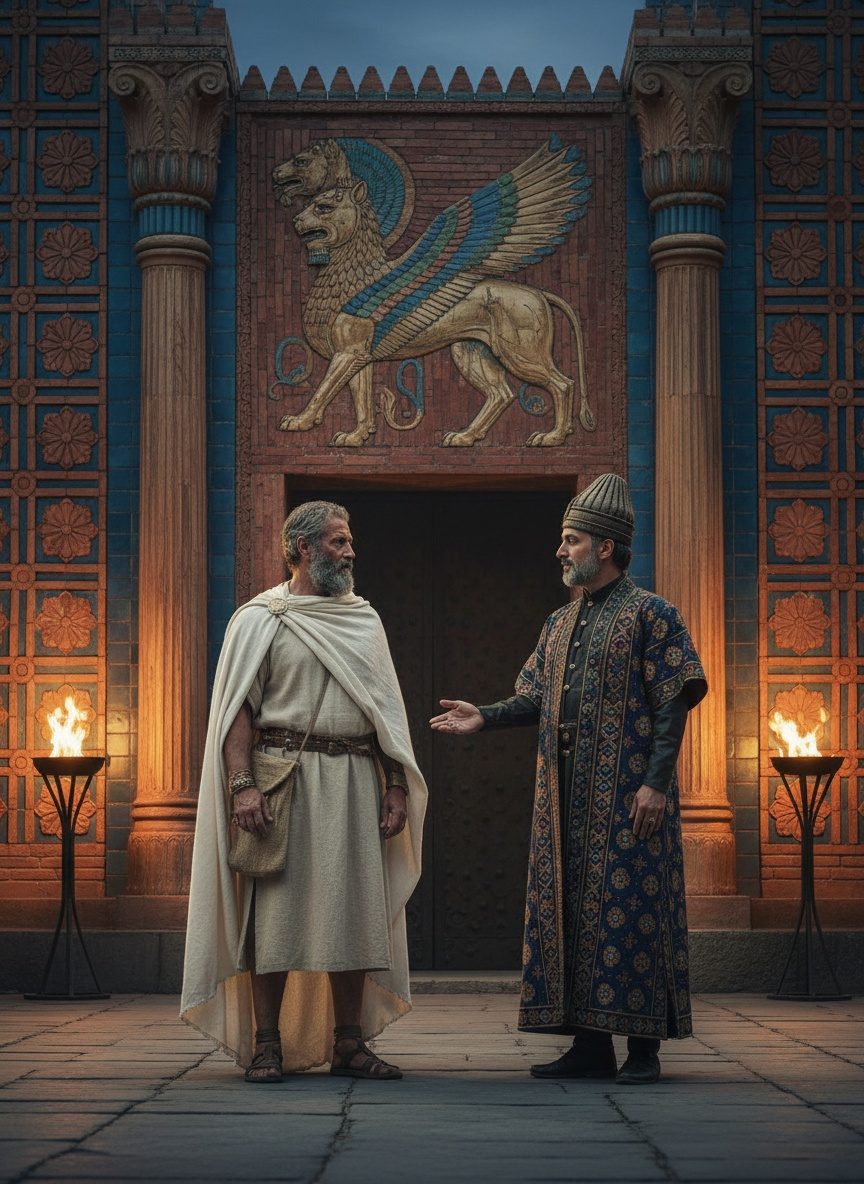
In the grand tapestry of the Persian Empire's vast campaigns, few figures stand out like Artemisia of Halicarnassus. Though her name might be unfamiliar to many, her influence during one of history's great naval confrontations is undeniable. Amidst the colossal forces of Xerxes, king of Persia, Artemisia was a singular presence. The queen of a small city-state, she commanded respect not just due to her noble birth, but because of her strategic acumen, which few could rival.
It was 480 BC, and as the Persian armada assembled to crush the amassed Greek city-states at the Battle of Salamis, the courage required to dissent against the consensus must have been immense. Artemisia, however, was no ordinary commander. Her foresight was as sharp as the bronze on her ships, and it was this foresight that she dared to present to Xerxes.
The Counsel of Caution
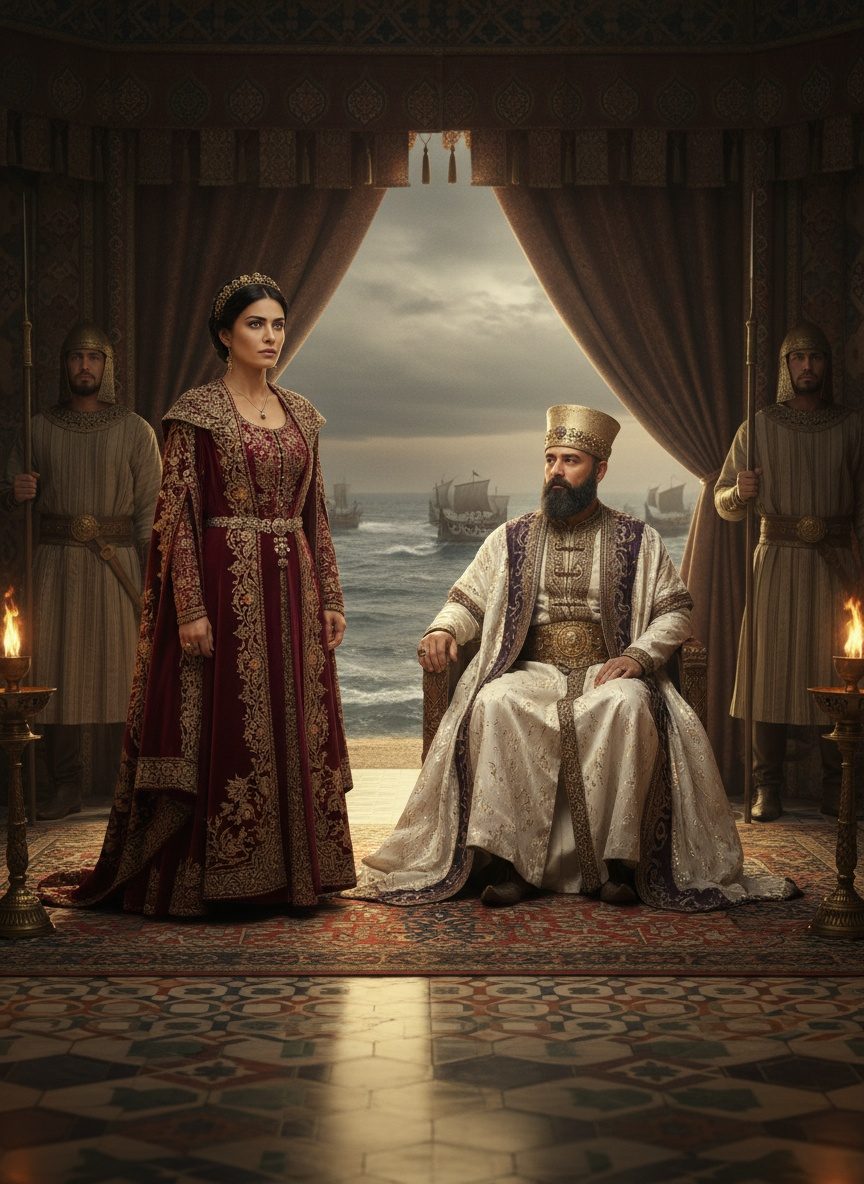
Assembling at the naval councils, against the backdrop of Aegean waves, the air would have hummed with strategy and anticipation. Battle plans were laid out; voices rose in heated debates. Yet, when Artemisia spoke, it was with measured caution. She argued against a direct engagement at Salamis. Her reasoning was sound and simple — the narrow straits did not favor the vast Persian fleet, and any misstep could lead to disaster.
Artemisia understood the terrain and the tactics favored by the Greeks. The Greek triremes, smaller and swifter, were adept in such confined spaces. Her warning came not from cowardice but tactical wisdom. She proposed instead a strategy of delay and enticement, suggesting that by not rushing into combat, the Greeks might break apart in internal disagreement.
Despite her well-founded arguments, Xerxes made a fateful choice to disregard her advice. Perhaps he was swayed by overconfidence, fueled by the humbling victories he had secured on land. Or perhaps the multitude of other voices clamoring for immediate action drowned out her solitary caution.
The Chaos of Salamis
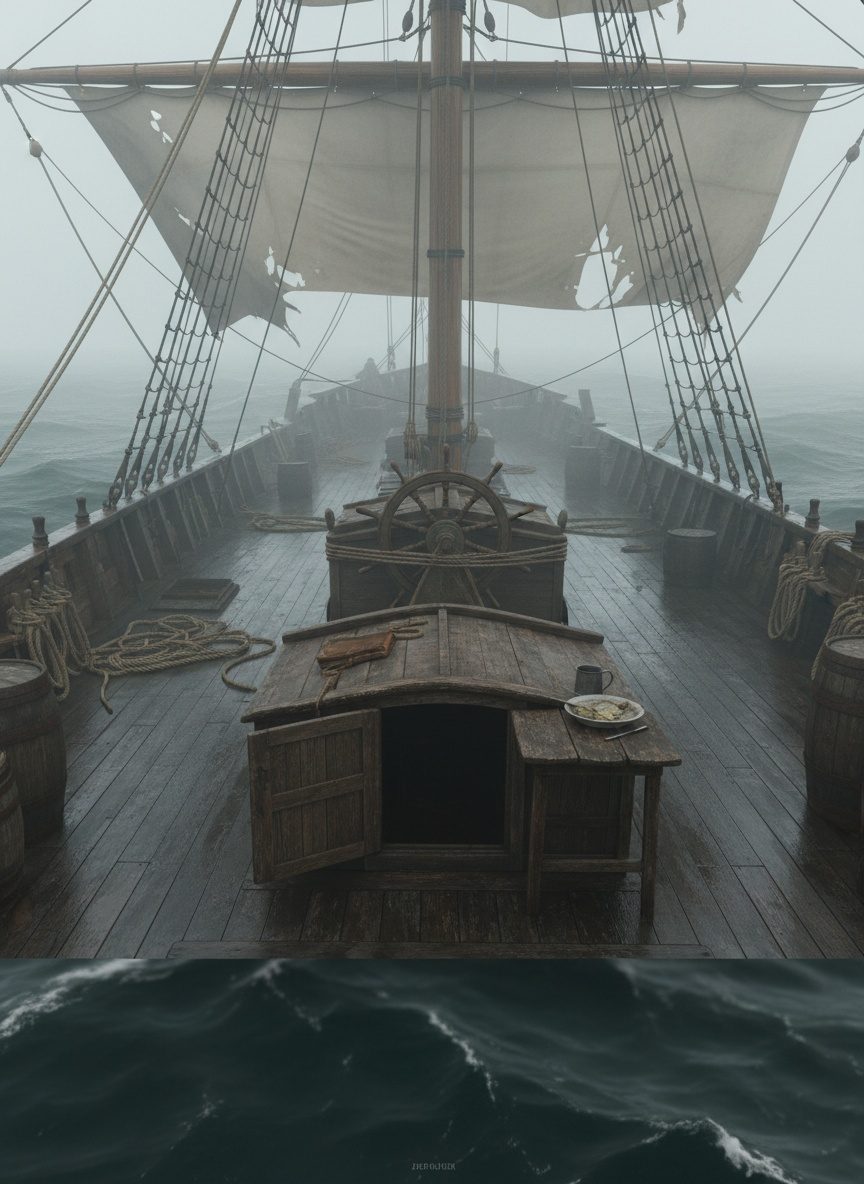
When the day of battle dawned, the waters around Salamis bore witness to a chaotic clash. Triremes clashed in the constricted channels, their oars slicing through the surf under desperate screams and the clash of bronze. As Artemisia had foreseen, the vast Persian fleet, unwieldy and cumbersome, found it impossible to maneuver effectively in the narrow straits.
Oddly enough, even amid that pandemonium, Artemisia's tactical mind shone through. Recorded by historians with a blend of admiration and disbelief, she exemplified daring play when, pursued by a Greek ship, she rammed one of her own allies. In what could have been a fatal misstep was rather a calculation to deceive and survive, as the Greek captain abandoned the chase, believing her to be one of their own.
Despite her prowess, the tide of battle turned as the mighty Persian fleet found itself ensnared in an unforgiving trap of its own making. Victory slipped through the grand emperor's fingers as defeat loomed over the azure waters of Salamis.
A Legacy Beyond the Battle
While history might remember the Battle of Salamis for the Greek triumph, Artemisia's legacy is woven into the warnings she issued. Perhaps most remarkable is that her voice was not silenced following the Persian loss. Xerxes, a king who had gambled and lost, did not punish her. Instead, he acknowledged her with uncharacteristic respect, understanding that her counsel had been wise, even if it went unheeded.
Artemisia's story is transformative — a striking account of leadership and foresight in an era where women rarely held such roles. Her presence on the battlefield, her engagement in the highest councils of war, and her nerve to speak a truth that went against the grain echo through history as a testament to her exceptional character.
In studying Artemisia, we uncover a vital lesson. The power of strategic wisdom defies the trappings of title or gender. Her story is more than historical footnote; it is an enduring narrative about the courage to speak up when it matters most. From her bold voice in the Persian court, we're reminded that even in the grand expanses of empire, a single, reasoned voice can change the course of history. As we look back upon her words, disregarded but not forgotten, we remember that foresight, though often overlooked, can be as powerful as the mightiest fleet.