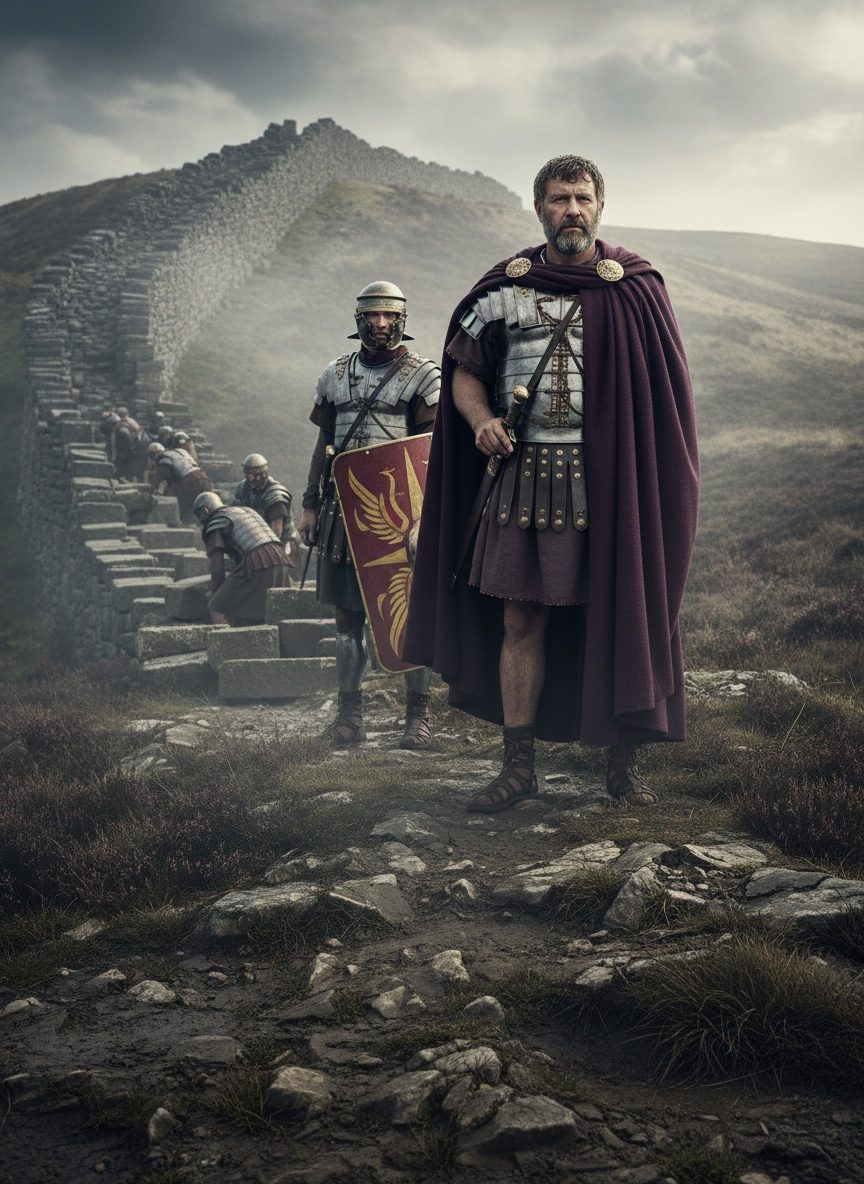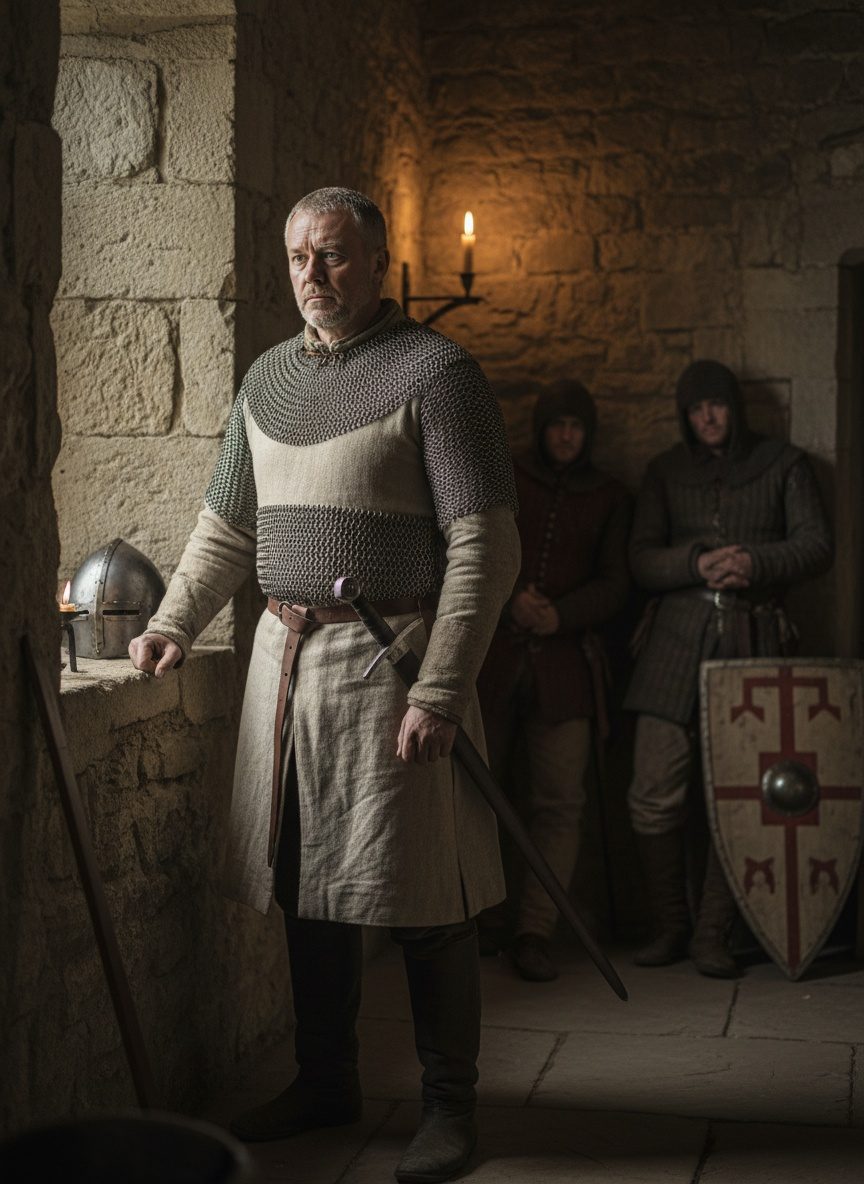
October 1216. The mist hung thick over the fortified walls of Dover Castle, a silent testament to the escalating tension of medieval England's darkest hour.
The Fortress on the Edge
Perched on the iconic White Cliffs overlooking the English Channel, Dover Castle had long stood as a sturdy bulwark against those who would threaten England’s sovereignty. Known as the "Key to England", its strategic importance was undeniable — a gateway that controlled access between the continent and the English heartland. It was in this isolated bastion that Hubert de Burgh, a courageous and cunning castellan, found himself with fewer than 140 men under his command. Among them were not just seasoned knights, but local militiamen called upon in dire circumstances to defend the kingdom.
By the autumn of 1216, England was entangled in a web of dynastic strife. King John had been reviled for his heavy taxation and conflicts with his barons, culminating in civil unrest and foreign invasion. Upon his death, the crown had passed to his young son, Henry III, just nine years old. But the tide of power was shifting perilously toward the French. Prince Louis of France, invited by dissatisfied English barons, had a firm grip on London and saw Dover's capture as a deciding blow to his campaign.
A Siege Unlike Any Other
As the mists lifted and the sun broke through, revealing the vibrant greens of the surrounding cliffs, it was clear that de Burgh faced not just a military siege, but a test of mettle and ingenuity. The French laid siege to the fortress, employing a variety of medieval siegecraft: towers, battering rams, and assault ladders, each designed to breach the storied walls. Yet the defenders held strong, their resolve giving no hint of their desperation. Living under constant threat with dwindling supplies, every day was a battle for survival in a hostile world hanging by a thread.
The French forces, boasting numerical superiority and the commanding presence of their prince, might have thought the battle won before it began. Yet de Burgh fortified his defenses not just with stone and iron, but with a tenacity that would become legendary. Night after night, sorties from the castle confounded French efforts, employing deception and daring as men snuck out under darkness to sabotage the enemy's war machines, burning them to prevent their return to service.
The Cost of Courage
As weeks turned into months, it became painfully clear just how fragile de Burgh's position was. Supplies ran perilously low, even as winter's chill began to set in. Inside the castle walls, rations were stretched thin, and the specter of starvation loomed large. Yet, response to the direness was unyielding — the defenders had hardened themselves, transforming desperation into a raw steeliness that the besiegers could not crack.
Stories from within tell of how the soldiers hoarded dwindling food supplies, shared scant warmth with cloaks worn threadbare, and saw the daily fatalities that came not at the hands of their enemies, but from exhaustion and scarcity. It was a human drama of survival, illuminated by bursts of hope and heartfelt camaraderie, made more poignant because of the simple determination to protect a realm seemingly lost.
The Enduring Stand
In a staggering display of resilience, de Burgh's steadfast leadership inspired not only his men but flickered as a beacon of hope across a beleaguered nation. Elsewhere in England, forces loyal to the young King Henry gathered strength, their resolve stiffened by de Burgh’s defiance. This was not merely a physical defense; it was a moral stand, a refusal to yield to overwhelming power that would have redrawn the map of England.
As 1217 dawned, the shifting sands of allegiance began to favor the English crown once more. Reinforcements eventually arrived, taking the French besiegers by surprise. The withdrawal of the besieging army marked a pivotal turning point, and the relief of Dover Castle echoed throughout England. It was the last significant French stronghold in England, and with its salvation, the tide began to turn against Prince Louis’ claim to the throne.
More Than a Battle
The siege of Dover Castle may not occupy vast chapters in textbooks, but its significance is profound. It was not just a defensive stand; it was a cornerstone in the fight for an English identity and sovereignty that was tenuously preserved amidst foreign ambition. The names and faces might fade from memory, but the impact of their courage remains etched into the very fabric of English history.
This episode reminds us that often it is not the battles we lose or win, but the choices we make despite overwhelming odds that shape the course of history. Hubert de Burgh and his band of defenders at Dover Castle became a microcosm of resistance and resilience, immovably steadfast in a turbulent sea of uncertainty. It stands as a narrative of human spirit: where indomitable courage and unfaltering loyalty combine to forge a path where none seemed possible.