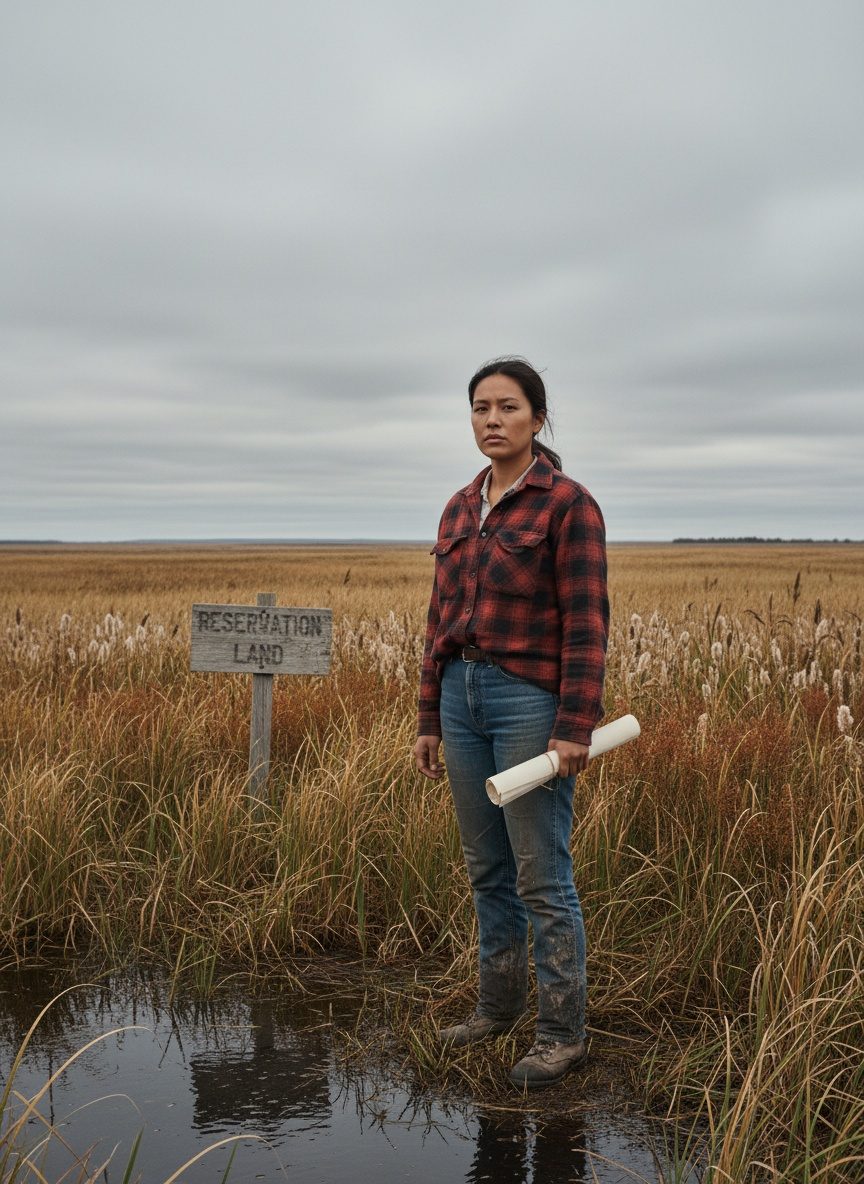
The sun sets over White Earth Reservation in rural Minnesota, casting long shadows that stretch across the land. The air is heavy with the scents of pine and wood smoke as the evening chill descends. It's a peaceful place, yet beneath the surface runs a history of struggle and loss. In 1982, this quiet corner of the world became the unlikely stage for a young woman's remarkable journey—not into the halls of power she was destined for, but back to the roots she chose to reclaim.
A Leap Into the Unknown
In the crisp spring of 1982, a freshly minted graduate of Harvard University faced the typical post-college crossroads. Offers from prestigious institutions and firms in bustling urban centers were hers for the taking. Yet, she made what many considered an unimaginable choice: to leave the promise of a conventional success story behind.
She set her sights on a northern reservation, a place she'd never called home but felt drawn to reclaim. White Earth wasn't just a geographical location; it symbolized histories unspoken, stories untold, and rights long ignored. Arriving on the reservation, she found not the poverty often associated with Indigenous lands, but the deeply ingrained consequences of systematic theft. Land taken, rights stripped, and generations left to mend a broken system.
Rediscovering Roots and Rights
Deep in the heart of Minnesota, the White Earth Reservation holds more than just the ancestral lands of the Anishinaabe people. It's a tapestry of languages, traditions, and fierce self-determination. Yet, entrenched legal battles over land rights told another story, one of disenfranchisement and dispossession rooted in the 19th-century policies that stripped Indigenous peoples of their land.
Armed with her Harvard education, the young woman dove into the intricate web of legal documents and historical treaties, seeking to unravel the legacy of paper wars that had dispossessed her people. She realized the real fight wasn't just in courtrooms or legislatures, but in the hearts and minds of her community. To reclaim the land, they needed to resurrect the stories, languages, and governance structures that had been systematically eroded over generations.
Building More Than a Movement
Her efforts were not about garnering applause or media headlines. There were no hashtag campaigns or viral online movements to rally behind. Instead, the work was painstaking, methodical, and often thankless. She immersed herself in building infrastructure where there was none—literally and figuratively.
Education became a cornerstone of her approach. She worked to establish programs that would preserve the Anishinaabe language and culture, imbuing new generations with the pride and knowledge of their ancestors. Community centers emerged as spaces of learning and unity, anchoring the reservation in its own historical and cultural legacy. Her focus was not just on immediate change but on laying the groundwork for sustained empowerment and self-sufficiency.
Unseen Battles and Quiet Victories
As the years rolled on, the fight for land rights continued, often outside the public eye. Negotiations were slow, sometimes grueling, held in sparsely populated community halls rather than bustling city centers. Here, she forged unlikely alliances with lawyers, activists, and elders, each driven by a singular determination to reclaim what had been taken.
Progress was hard-won but deeply satisfying. Each small victory—the return of sacred lands, the recognition of treaty rights—was more than just a legal triumph; it was a step toward healing the generational trauma that had weighed heavily upon her people. She understood that the true victory lay not just in reclaiming land but also in restoring a sense of identity and pride among the community.
Why This Story Matters
The legacy of this young woman from Harvard is not etched in stone monuments or celebrated in history books. Instead, it lives on in the language spoken by children on the reservation, in the cultural practices revived, and in the lands gradually returning to their rightful stewards. Her story matters because it reflects the enduring resilience of Indigenous communities across the globe, who continue to fight against the odds to preserve their heritage and secure their future.
In a world often enamored with grand narratives and sweeping reforms, this tale from White Earth Reservation serves as a poignant reminder of the power of grassroots efforts. Sometimes, the most profound impacts are made not with grand gestures but with quiet determination, persistence, and a deep-rooted connection to one's heritage. A story like this is rarely part of a mainstream curriculum, yet it teaches us an invaluable lesson about the strength found in reclaiming one's roots and the personal sacrifices made to illuminate paths for future generations.