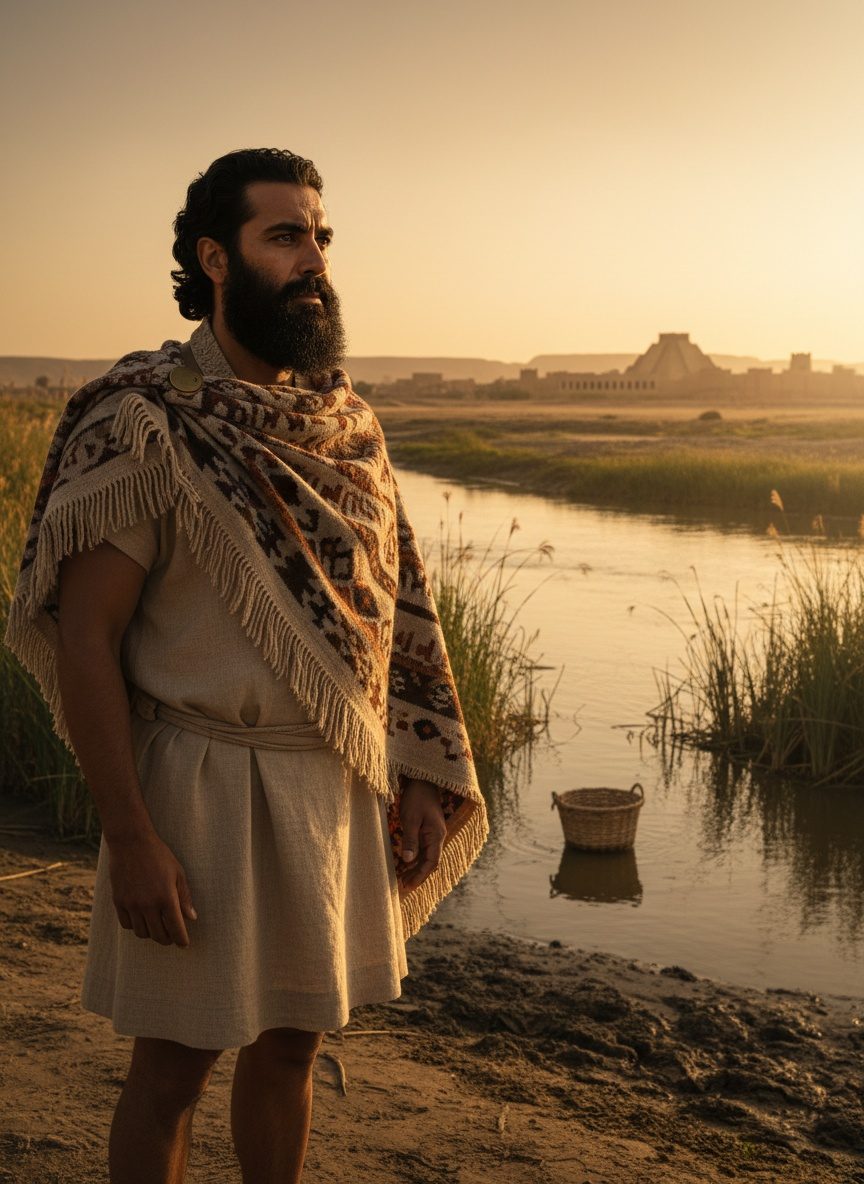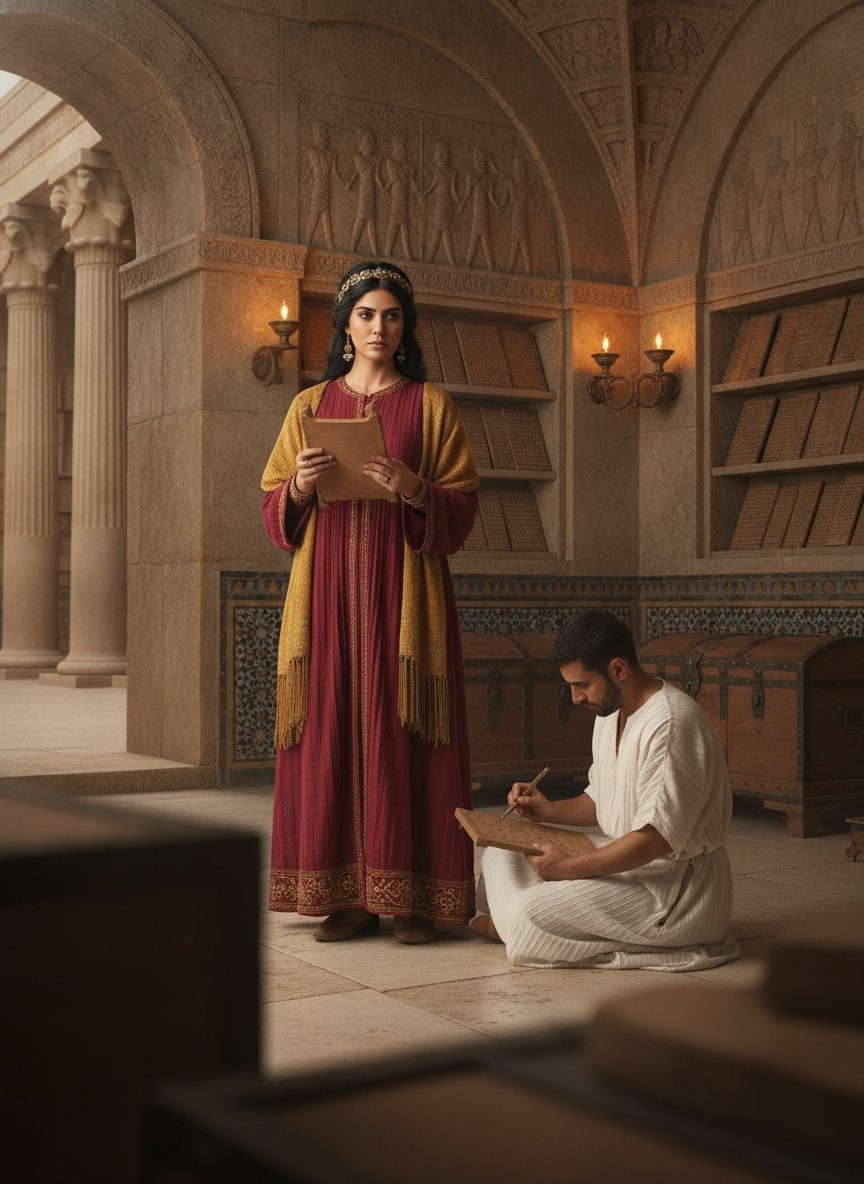
She held no formal title. Yet, she shaped the economy of Persia from within its heart, undeterred by the constraints that defined her era. Artystone, Darius the Great's favorite wife, was a queen who commanded an empire's treasury with an assurance that history cannot overlook.
The Unsung Sovereign
In the vast, sunlit expanse of the Persian Empire around 490 BC, an era defined by emperors and formidable armies, an astonishing story unfolded in the shadows. Artystone was not a military leader nor a mystical figure endowed with divine power; she was a queen defined by her remarkable pragmatism and administrative acumen. Among the clay tablets unearthed in Persepolis, her name emerges - not just as Darius's wife, but as a force managing substantial holdings and waiting for no one to recognize her achievements.
Leading one of the ancient world's largest economies, Artystone managed lands and resources that rivaled the holdings of nobility. Her estates sprawled across regions, meticulously run under her oversight. These were no mere tokens of royal indulgence. With a deftness that seemed intuitive, she commanded workers and managed grain, her decisions impacting the livelihoods of countless subjects. Her seal, pressed into clay tablets, authenticated orders and directed the empire's resources, undeniably proving her integral role in the economic web of Persia.
In an era predominately chronicled by feats of war and conquest, Artystone's story reveals a different kind of triumph — one of strategy and stewardship. Her position may have initially owed itself to her marriage, but her authority and the scope of her activities surpassed any other queen of her time. It was a testament to the effectiveness and reach of her administration, with records suggesting that her role was unparalleled in ancient Persia.
Behind the Seals: Artystone's Domain
A closer gaze at the logistical marvel of Artystone's operations in Persepolis unveils a queen whose ambition and dexterity went beyond mere symbolic power. Through the multitude of clay tablets, we glimpse an authoritative presence, assigning rations and issuing instructions under her name, a role customarily reserved for men of her status. Therein lies her silent rebellion — running Persia's treasury, she dismantled convention with each grain disbursed and every worker paid under her watch.
Artystone’s economic prowess demonstrates a profound understanding of the empire's lifeblood. Possessing an astute awareness of agriculture and commerce, she oversaw her vast estates, guaranteeing the seamless movement of goods and resources that sustained Persia's expanse. Her control over the production and dissemination points to a structured hierarchy that she deftly navigated, a tapestry of power and responsibility that few could handle.
While her contemporaries predominantly secured their legacy on the battlefield, hers was written in the ledgers of grain stores and worker distributions. The art of maintaining Persia's treasury required not just authority but a vision to accommodate the empire's immense diversity. It's an enduring image — a queen behind her seals, orchestrating the empire's pulse with calculated precision.
Why Artystone Still Matters
Delving into Artystone's life, the evidence of her indelible influence on the Persian Empire invites admiration and reflection. Her story forces us to reconsider long-held ideals of leadership and power in ancient civilizations. Unlike others whose tales were forged amid conquests, Artystone cultivated her legacy through governance and effective resource management, an enduring narrative of empowerment passed down through the tablets of time.
Her life challenges conventional views about women's roles in ancient governance, suggesting a nuanced understanding of leadership that transcends her time. This is not merely a tale of a queen among kings; it's an exploration of the potent impact of intellect and capability in shaping the annals of history. Artystone's endeavors remind us that leadership often flourishes in unexpected places, carried out with a quiet but unyielding resolve.
The historical arc of Artystone — seldom told in textbooks — is essential not just for its rarity but for its resonance. It challenges us to see the threads of influence in the grander tapestry of history and pay homage to those who wielded power away from the battlefields. In rediscovering Artystone's story, we find lessons about leadership that resonate beyond ancient empires, whispering the unrecognized truths that dwell in history's layers, awaiting those willing to hear.