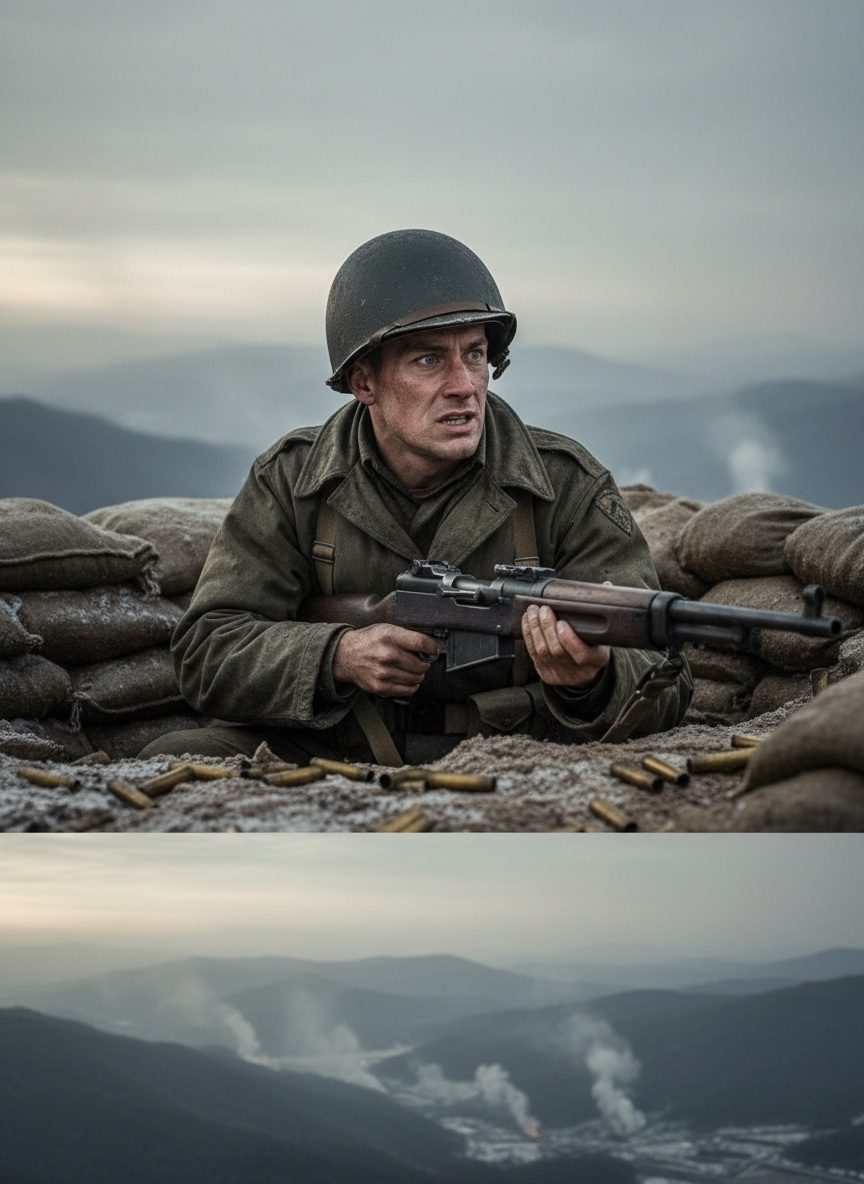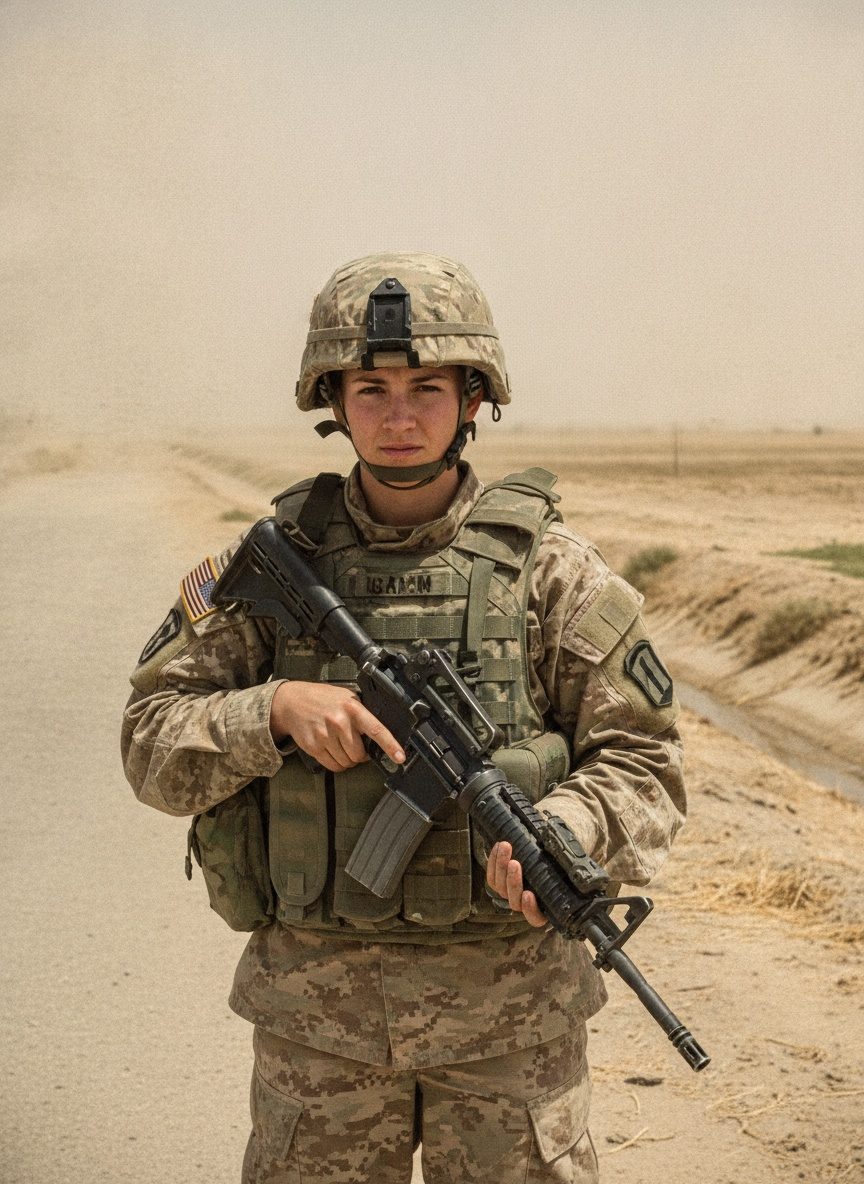
The roar of gunfire mingled with the acrid smell of burning rubber as Sergeant Leigh Ann Hester hurtled her Humvee through the chaos. The sandy road south of Baghdad reverberated with explosions, and the air was thick with dust and smoke. Fifty insurgents lay entrenched on both sides of the narrow road, their weapons trained on the beleaguered convoy of civilian trucks that lay burning. But where others saw a kill zone, Hester saw a path forward.
The Road to the Kill Zone
In March 2005, Iraqi desert roads were treacherous arteries. They were vital for moving supplies and personnel but equally fertile ground for ambushes. As a member of the National Guard's 617th Military Police Company, Hester's role was to protect these convoys. The mission that day seemed routine: escort a supply convoy to deliver goods essential for the ongoing military operations. But routine evolved into a nightmare as the convoy cascaded into a well-planned ambush.
The insurgents, entrenched in a sophisticated trench line, commanded a perfect ambush position. Using the narrowness of the road to their advantage, they opened a barrage of automatic gunfire and RPG rounds upon the convoy. It was the type of attack that could easily overwhelm the most seasoned soldiers. But Hester and her team were not ordinary soldiers. As the bullets flew and chaos reigned, she quickly assessed the bedlam and made a decision that contradicted every instinct but one: attack.
No Ordinary Assault
The decision to assault enemy positions head-on remains etched into modern military tactics as daring and audacious. Hester knew that staying put meant certain destruction for the convoy and her team. Her expertise with the M4 carbine and grenade launcher was about to get a real-world test against combatants who were bold enough to take on armed American soldiers. With a nod to her team, Hester dismounted from the Humvee, her weapons ready, and led the charge into the enemy trenches.
The terrain offered little cover as Hester sprinted across the open ground. Her team rallied behind her, their individual skills blending seamlessly as they coordinated their counterattack. Exploding grenades sent plumes of dirt skyward, providing fleeting moments of cover against enemy fire. The crack of M4 fire punctuated the chaos, each round finding its mark with deadly precision. In those ten blistering minutes, Hester and her team overturned the favored playbook of defensive tactics and showcased the power of unexpected offense.
Heroism Recognized
As the dust settled over the battleground, the team faced yet another challenge: confirming the enemy position was neutralized and securing the site. They found the insurgent trenches littered with discarded weapons, silence reigning where there had once been vehement resistance. Hester had not only stood her ground but had advanced it, ensuring the safety of the convoy and the soldiers within it. This feat would later earn her the Silver Star, a prestigious military decoration that she became the first female American soldier to receive since World War II for direct combat action.
Despite the chaos of combat, Hester's actions were underscored by calm resolution and tactical acuity. Her bravery served as a testament to the evolving roles women played on the modern battlefield. The decision to engage rather than retreat set a precedent not just for women in combat, but for how insurgency tactics could be met head-on with strategic audacity.
The Aftermath and Impact
Sergeant Leigh Ann Hester's story is one woven from threads of courage, resolve, and tactical prowess, illustrating the unpredictable nature of modern warfare. Moving beyond traditional narratives surrounding women in combat, Hester redefined expectations and demonstrated the effective and essential participation of females in critical combat roles. Her actions on that fateful day were not merely reactive; they were transformative.
Military historians and strategists would later analyze her decision to attack rather than hold the line as reflective of evolving combat doctrines during the Iraq War. Her heroism offered a powerful narrative that challenged preconceived notions and inspired new generations of service members, regardless of gender, to serve with valor. It is a reminder that the battlefield awaits not only reactive defense but also proactive courage, a lesson echoing down the corridors of military history.