2417 BC. Dust hung heavily in the cool, dimly lit chamber.
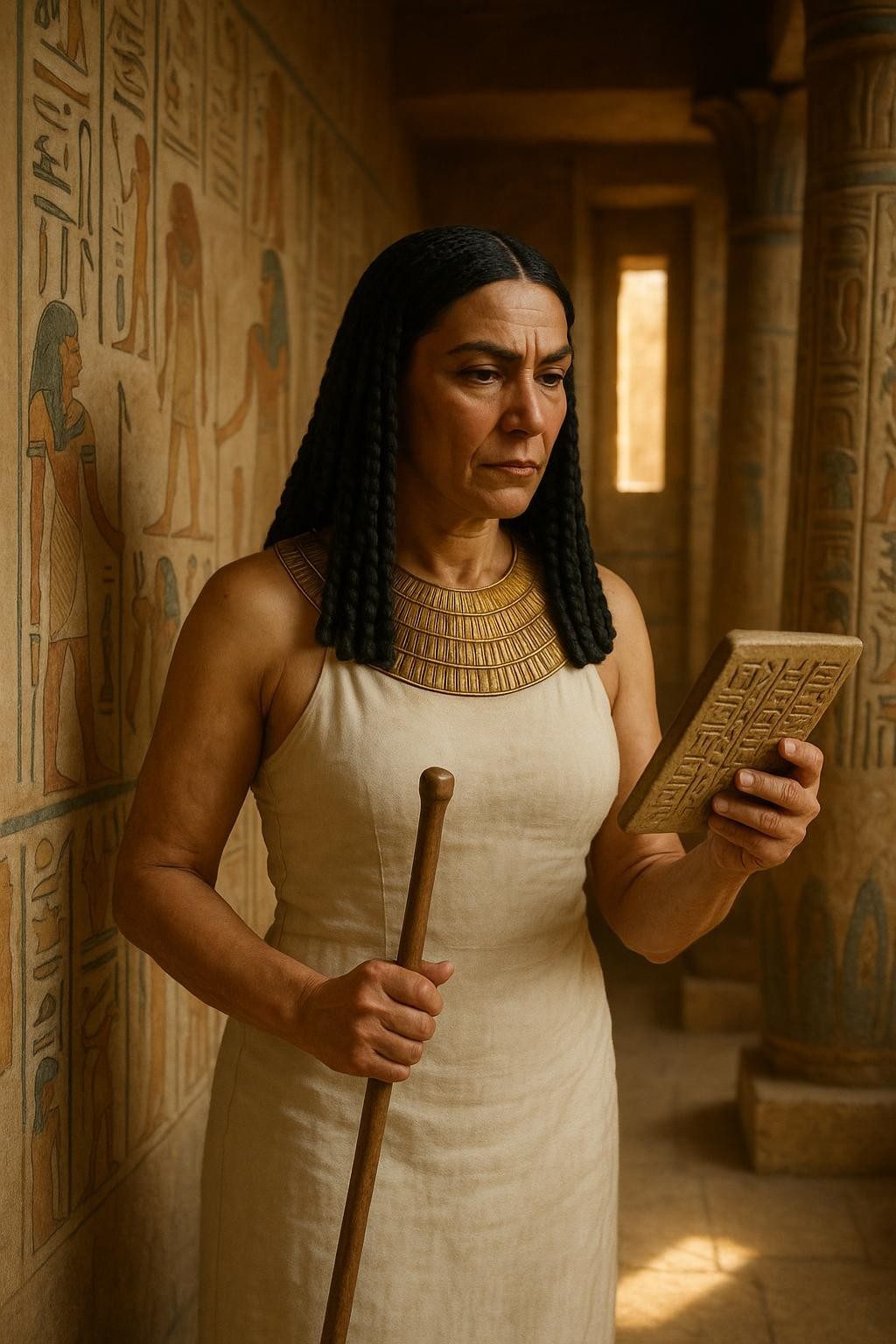
Inside the tomb, nestled among the sands of Ancient Egypt, British archaeologists held their collective breath as they meticulously brushed dirt from an ancient stone. What they uncovered would astonish the world—a name etched forever in the annals of history, "Peseshet." Not a ruler, nor a common name lost to time, Peseshet held a title of great distinction and importance as the "Overseer of the Physicians." The world often conjures images of divine pharaohs and imposing pyramids when reflecting on Ancient Egypt, yet rarely does history class illuminate the extraordinary reality of an age where a woman could ascend to such a vital role, commanding the respect and following of Egypt's healers.
Four millennium prior to the rise of Britain's own empiricism, before healers with titles like doctor or surgeon emerged in its societal lexicon, an Egyptian woman stood at the forefront of medicine. In the vast and complex structure of Egyptian society, Peseshet's name was more than nominal; it was a symbol of expertise, leadership, and perhaps most intriguingly, the notion that gender did not confine one's capacity for greatness in some ancient realms. As the desert sun waned outside the burial site, scholars pieced together the story of a practical legacy juxtaposed against a landscape dominated by male figures.
The timeless Nile, winding in its gentle arcs, witnessed the ebb and flow of dynasties. In its fertile basins rose cities and practices that laid the foundation for what we now perceive as medical science. Peseshet, whose name radiated with the luminescence of her achievements, was reputedly the highest medical authority. Her influence rippled throughout Egypt, a civilization that remarkably acknowledged the exemplary when it came to the craft and healing arts, irrespective of gender biases entrenched in other cultures.
It was not merely her position that was revolutionary but the depth of knowledge she and her colleagues had accumulated. Egyptian medicine, a tapestry of religious ritual and methodical practice, was already far advanced. Physicians performed rudimentary surgeries, connected closely their work with spiritual wellness, and documented diagnoses with remarkable precision. Peseshet oversaw not only this complex web but possibly mentored others, enfolding within her influence both the scientific and esoteric nuances of her time. This level of prominence signals a societal layer where women like her wielded power and contributed profoundly.
Hidden and forgotten for centuries, her story might have remained buried beneath the shifting sands if not for her son's grave—a monument not solely to the deceased but a testimonial to his remarkable mother. Despite prevailing appraisals of a patriarchal society, Peseshet exemplified female agency before such ideas took root in philosophical discourse. Her work with Egypt's healers wasn’t simply replicated elsewhere; in some ways, it went unmatched, particularly as few other named female counterparts emerged from contemporary records across the ancient world.
Thousands of years later, the unearthing of her name unfolded in a context unfamiliar to this ancient world—Britain stood on the cusp of its Industrial Revolution, flirting with innovations of its own within medical realms, though centuries from recognition like Peseshet had once known. This very moment of rediscovery provides a profound juxtaposition—a forgotten legacy found anew as modern scholars marveled at this complex figure. Here was an echo from the past that defied expectations and provided a more expansive view of ancient narratives.
As hieroglyphs decoded her life’s work, Peseshet’s existence challenged perceptions, illustrating a tableau not simply of kings and gods but of the wisdom held by women who dared to challenge societal norms. Even today, her story prompts us to rethink interpretations of ancient history often eclipsed by tales of warfare and sovereignty. It evokes a sense of admiration for an individual whose real, tangible contributions dwarfed the shadow of mythology, reinforcing the veritable presence of women in scientific and societal spheres long before more modern examples took the limelight.
Peseshet’s story remains a revelatory chapter in history—her homage lies not in opulent pyramids, but the knowledge cultivated under her guidance, the respect forged by her leadership, and the relentless pursuit of health she upheld. Her name, etched upon stone, became more than mere letters; it is a testament to the undeniable and enduring impact of women whose greatness was once whispered only among the sands and shadows of the millennia.