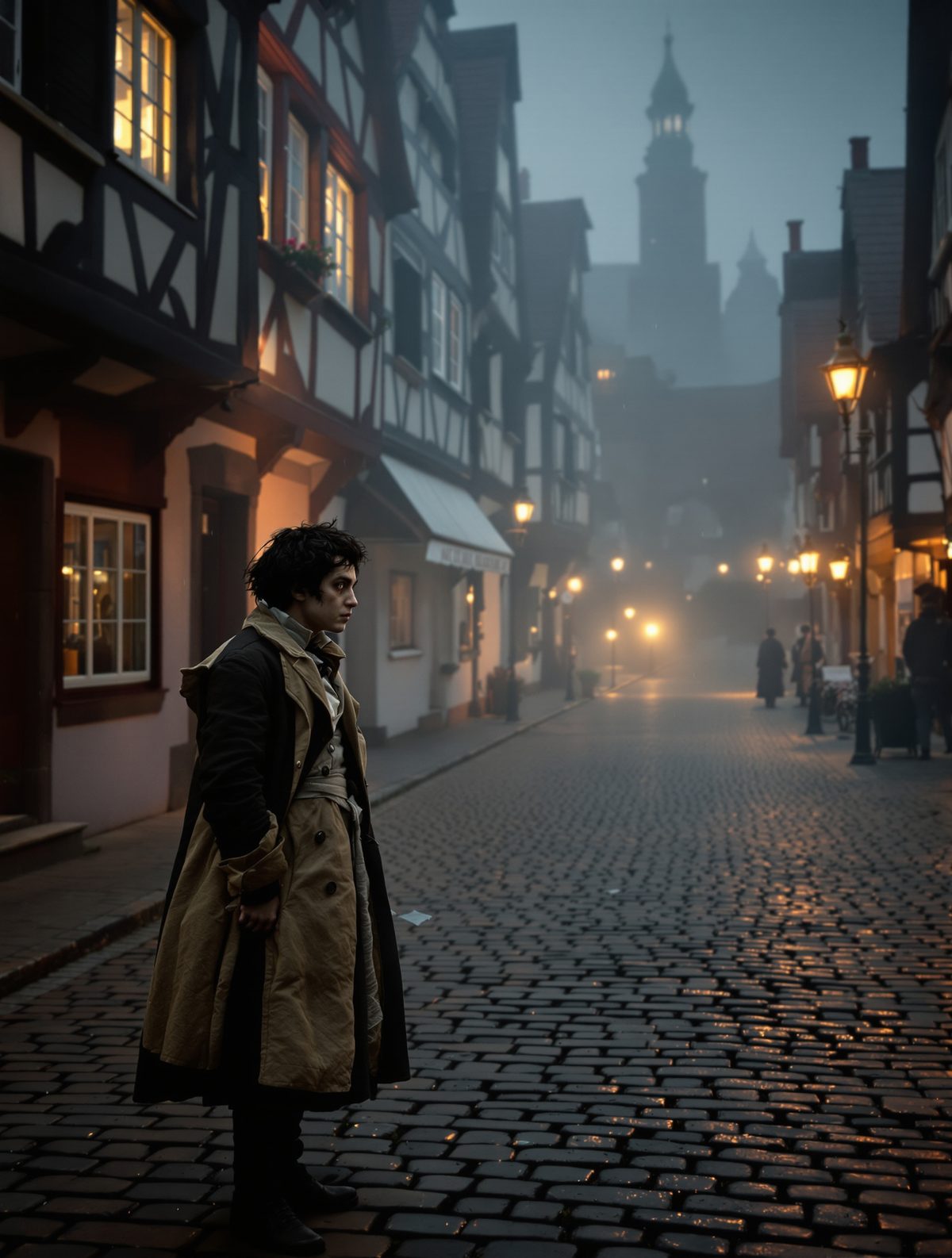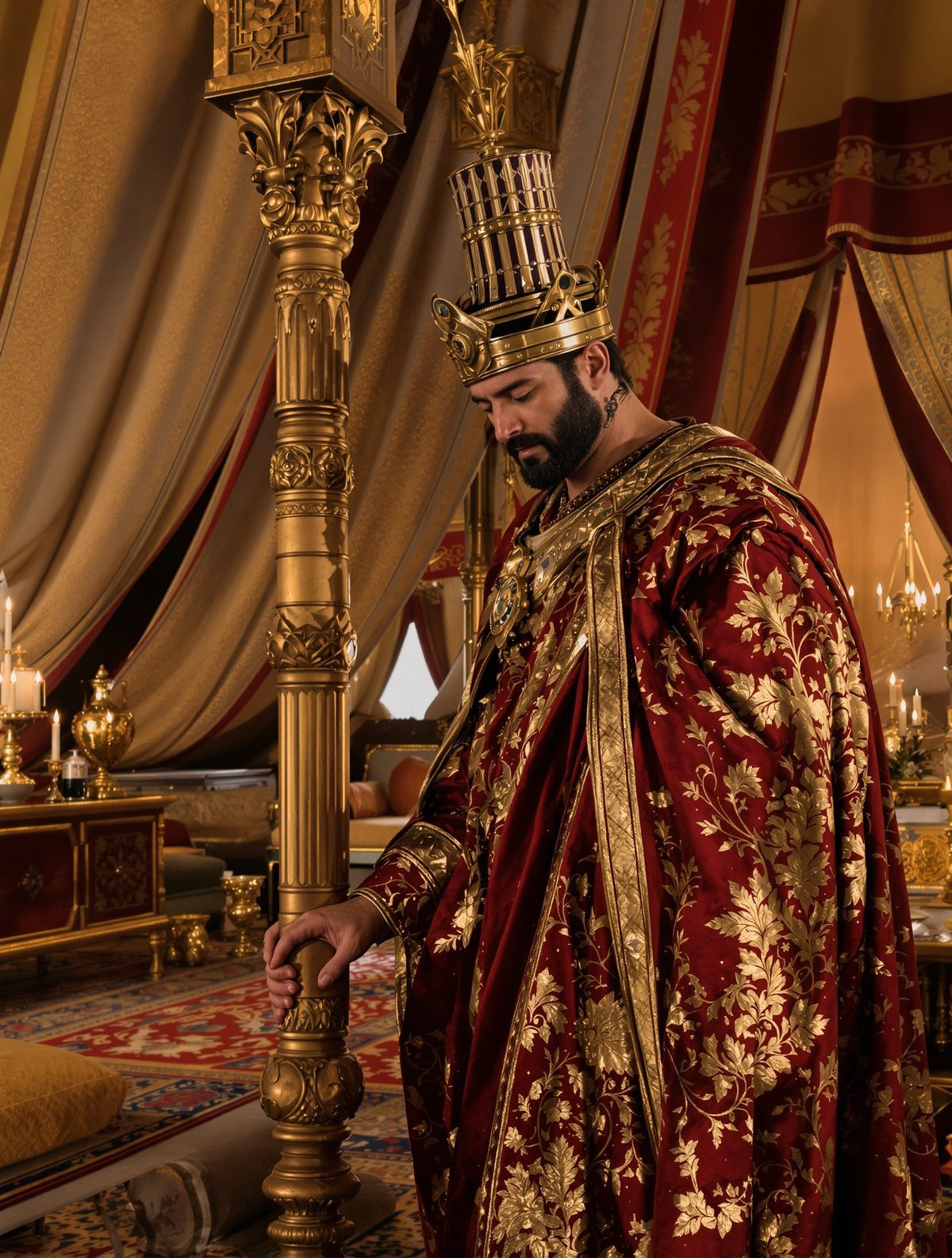
The atmosphere in Rome was tense. For fourteen long years, Hannibal Barca of Carthage had been the specter at the feast, laying waste to the Italian countryside, outmaneuvering Roman legions, and making a mockery of Rome’s once-invincible reputation. In 204 BC, the streets buzzed with tales of Hannibal’s elephants, his daring Alpine crossing, and his thrashing victories at Lake Trasimene and Cannae. Rome’s response? Caution had buried the Senate in deliberations. But one man refused to play by the rules – a young, audacious general named Publius Cornelius Scipio. Scipio Africanus, as history would later remember him, would take the war to Carthage's doorstep, changing the course of history in a heartbeat.
The Indomitable Hannibal
For decades, Hannibal had been the dark heart of Roman fears. The Carthaginian general was a military genius whose army seemed unstoppable across the rocky terrains of the Italian peninsula. Hannibal’s tactics were as unconventional as they were effective, with strategies such as double envelope flanking attacks — a maneuver that left Rome devastated in the Battle of Cannae in 216 BC. What the Romans thought they knew about war, Hannibal systematically deconstructed with each engagement.
Rome, made cautious by its earlier losses during the Second Punic War, was reluctant to act rashly. The Roman Senate, wary of risking further defeats, wavered between defense and negotiation. But this approach cost precious time and resources while Hannibal’s war of attrition persisted on Roman soil.
Sowing the Seeds of Defiance
In 206 BC, a young cavalry officer returned from the Guadalquivir River with a shocking proposition. Scipio had proved his mettle in Spain, routing Carthaginian forces at Ilipa, and now he proposed an audacious plan: don't just defend against Hannibal — invade Africa. To Scipio, a counterstrike was not only logical but necessary. Yet, to the leaders of Rome, Scipio’s plan seemed suicidal.
The Senate balked; caution still held them prisoner. Most Senators advised waiting, bolstering defenses, and bleeding Carthage dry in minor engagements. After all, Carthage itself had never been a target in the long history of their conflict — it was a fortified city shielded by the Mediterranean. But caution was not what inspired the young Scipio. In a remarkable one-vote marginal victory, the Senate reluctantly gave its blessing for an offensive on North African shores.
The Bold Gamble
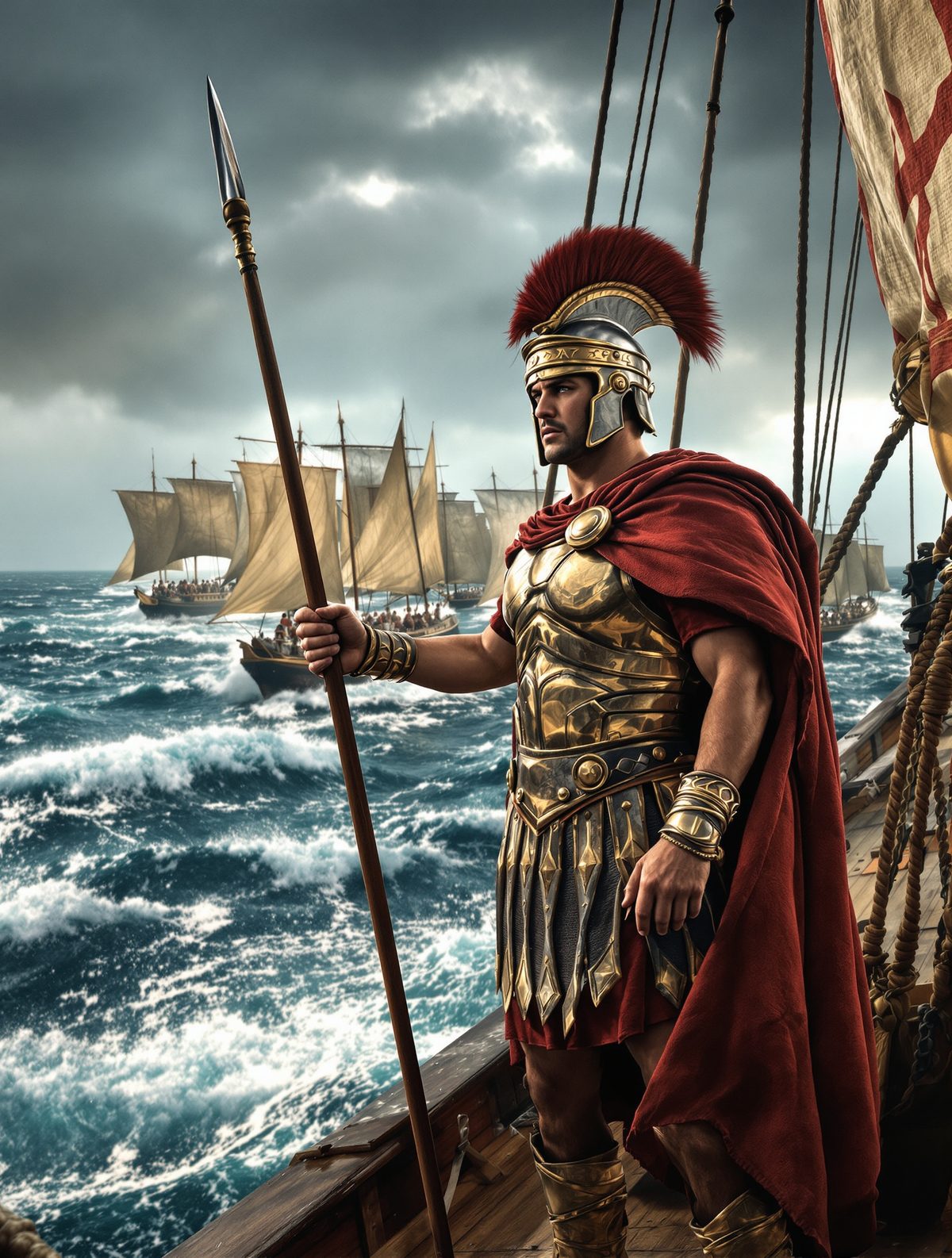
In the spring of 204 BC, with the Senate reluctantly aligned behind him, Scipio set sail for Africa with merely a fraction of Rome's military might. He brought with him roughly 35,000 determined soldiers, and more importantly, he brought boundless ambition and ingenuity. They landed at Utica — 70 miles outside Carthage — and swiftly established a beachhead.
The audacity of the move shocked Carthage, forcing its politicians to call Hannibal back to Africa. Scipio, meanwhile, focused on drawing the Numidian Massinissa to his side, a move that secured him the much-needed cavalry that would prove decisive at the Battle of Zama. A lesser-known fact is that Scipio’s ability to navigate alliances in the region was second only to his military acumen. His recognition of the politics in Africa was as deft as his command on the battlefield.
The Clash at Zama
October 202 BC. A plain near the town of Zama. Here, Scipio and Hannibal met in one of history's most pivotal confrontations. A brain-rattling silence enveloped the landscape before the storm of battle exploded. Hannibal commanded formidable war elephants, and his army dwarfed Scipio's forces. But Scipio had learned well from his opponent, employing strategic flexibility and the disciplined innovation of Roman formations.
A key moment arrived when the Roman forces opened lanes, skillfully guiding the charging elephants through harmlessly, robbing them of their potential devastation. Unlike those generals before him, Scipio absorbed Hannibal’s tactics, using them to weave one of Rome’s greatest military triumphs.
The battle was fierce and decisive. By the end of the day, Hannibal’s army was crushed, and his legend irrevocably tarnished. The Second Punic War was effectively over.
A Legacy Forged in Defiance
Scipio’s victory at Zama did what Rome had not managed in 14 years: it forced Carthage to its knees. The peace terms were harsh and ensured Hannibal fled into exile. The groundwork for Rome to rise as an imperial superpower had been laid — not due to strategy within Roman borders but driven by the boldness of one young commander who dared to defy convention.
Why does this daring gamble matter today? Because it shows the power of reimagining what's possible when facing seemingly insurmountable odds. Scipio Africanus’ actions remind us that the steadfast spirit to gaze past the horizon — to rechart a familiar course — can shift the narratives of our present and future. It's a story of strategically channeling courage to overcome the restraint of fear and tradition, sculpting possibilities from the stone of improbability.