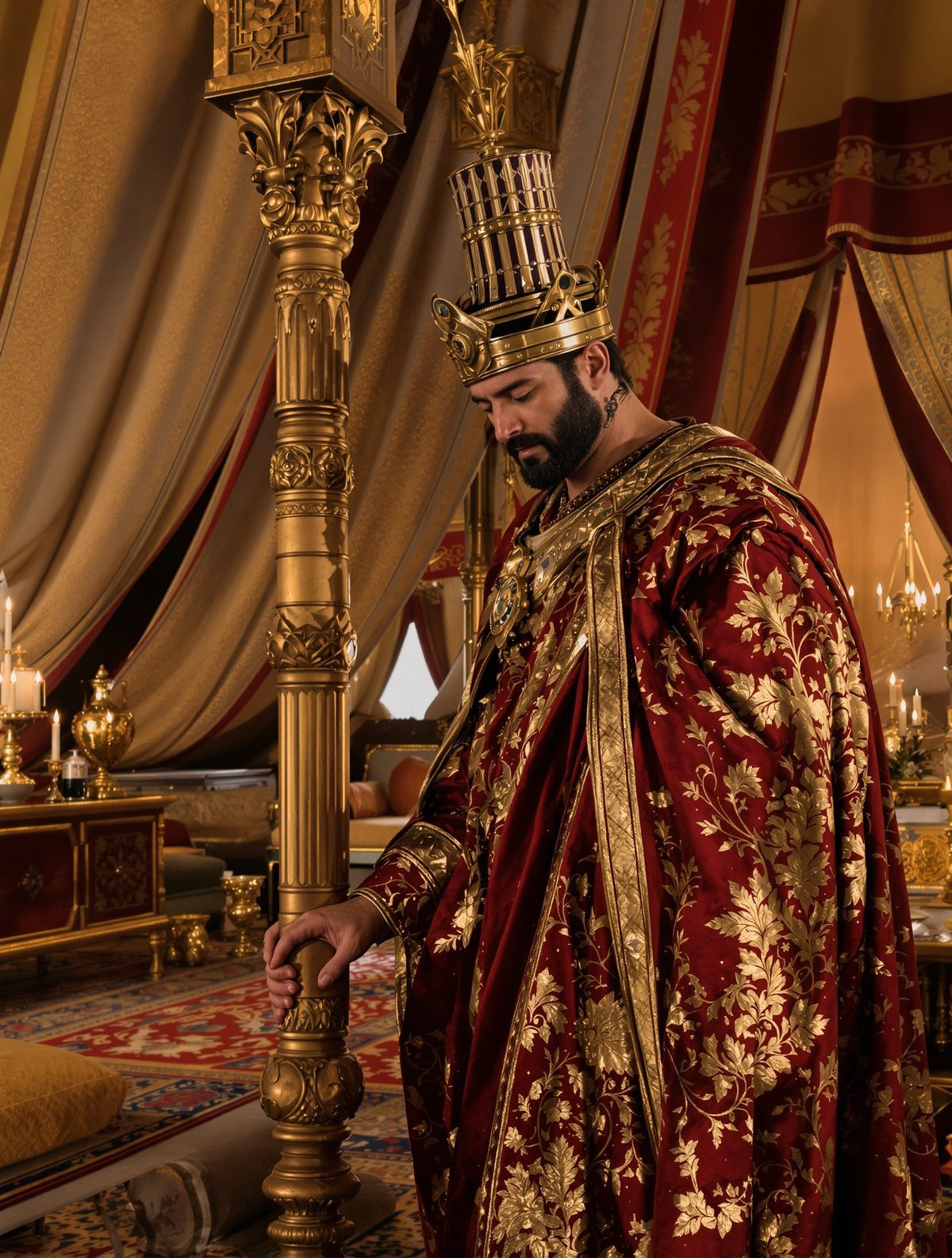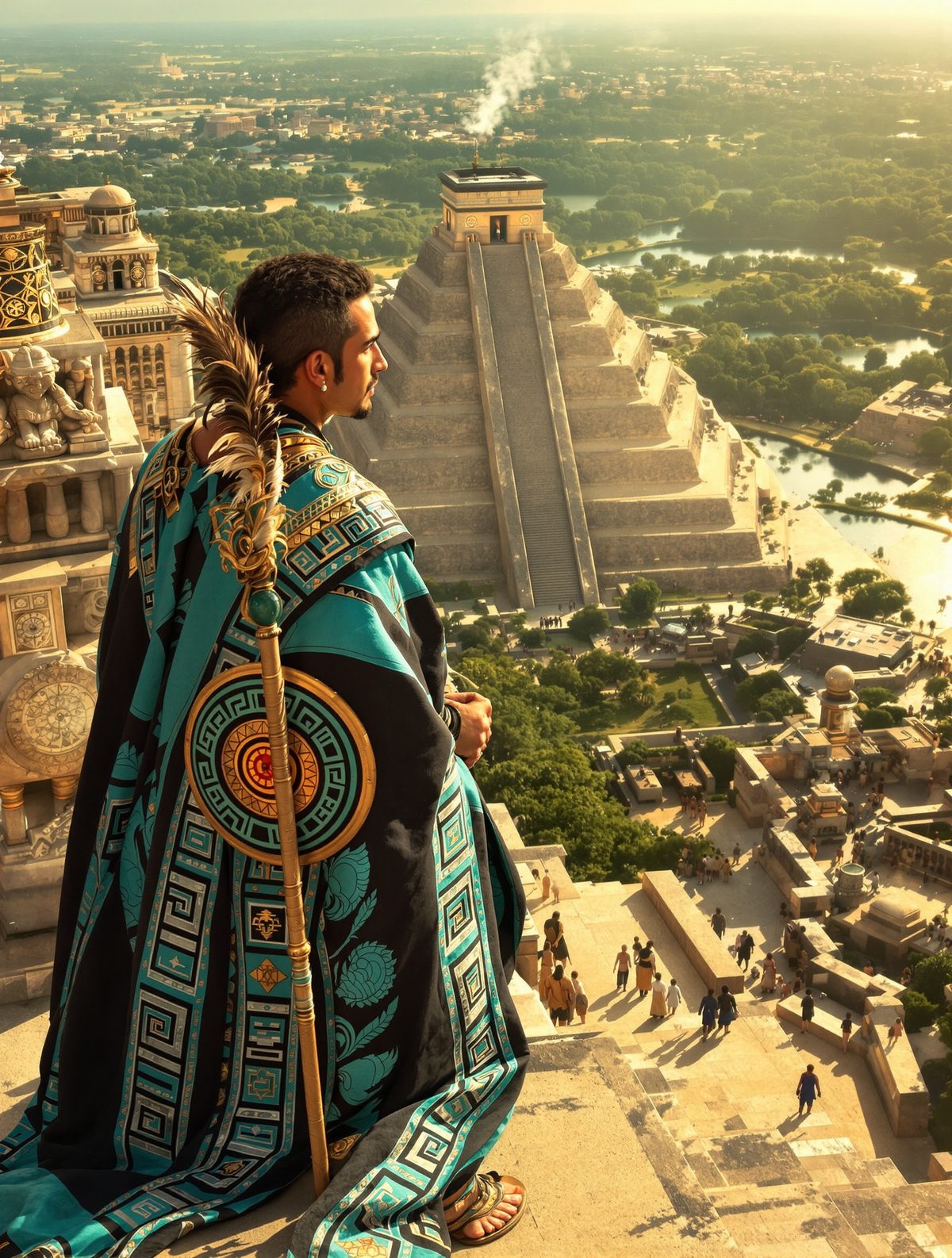
The crowds were roaring, the sun high in the sky, and the tension as thick as the jungle just beyond the city of Tenochtitlán. The appointed time had come, and all eyes were on Tlacaelel, the kingmaker who could choose the crown but had, for the second time, refused it. Who was this enigmatic power behind the throne? A name only whispered in the grand story of the Aztecs, Tlacaelel was the nephew of Itzcoatl, a man who reshaped the very fabric of the Aztec belief system and steered an empire through its most transformative era.
The Man Behind the Crown
Born around 1397, Tlacaelel had Aztec royalty in his veins. He was the son of Huitzilihuitl and a royal noblewoman, which placed him amidst the ruling echelon of Tenochtitlán. But unlike other nobles, Tlacaelel possessed an uncanny knack for strategy and philosophy. When he came of age, he took his place in the royal council known as the Tlatocan, where his insights cut through discussions like an obsidian blade.
In 1426, when the elders deliberated on who would replace the deceased Chimalpopoca, younger brother Itzcoatl ascended to the throne. The decision was heavily influenced by Tlacaelel himself. Despite being twice offered the throne, he declined, preferring to exert influence without the limitations a crown might impose. Even then, as empire-builder, his ambitions stretched beyond mere titles.
Rewriting History: Tlacaelel’s Grand Design
Tlacaelel's vision extended far beyond just administration; he sought to rewrite history itself. Recognizing the power of narrative, he ordered the burning of the ancient books to shape a new collective memory for the Aztecs. This bold move was controversial, but in its place, a new mythos took root — depicting their ancestors as chosen ones by the gods.
Under his influence, the Mexica people were repositioned not as just conquerors but as a divinely ordained civilization destined to rule. This crafted history was more than propaganda; it was a cultural cornerstone that bound the people together and justified their imperial expansion. The story they told was of their patron god, Huitzilopochtli, guiding them to this promised land — it was a history forged, literally, in flames.
Warfare and the Concept of Earthly Debt
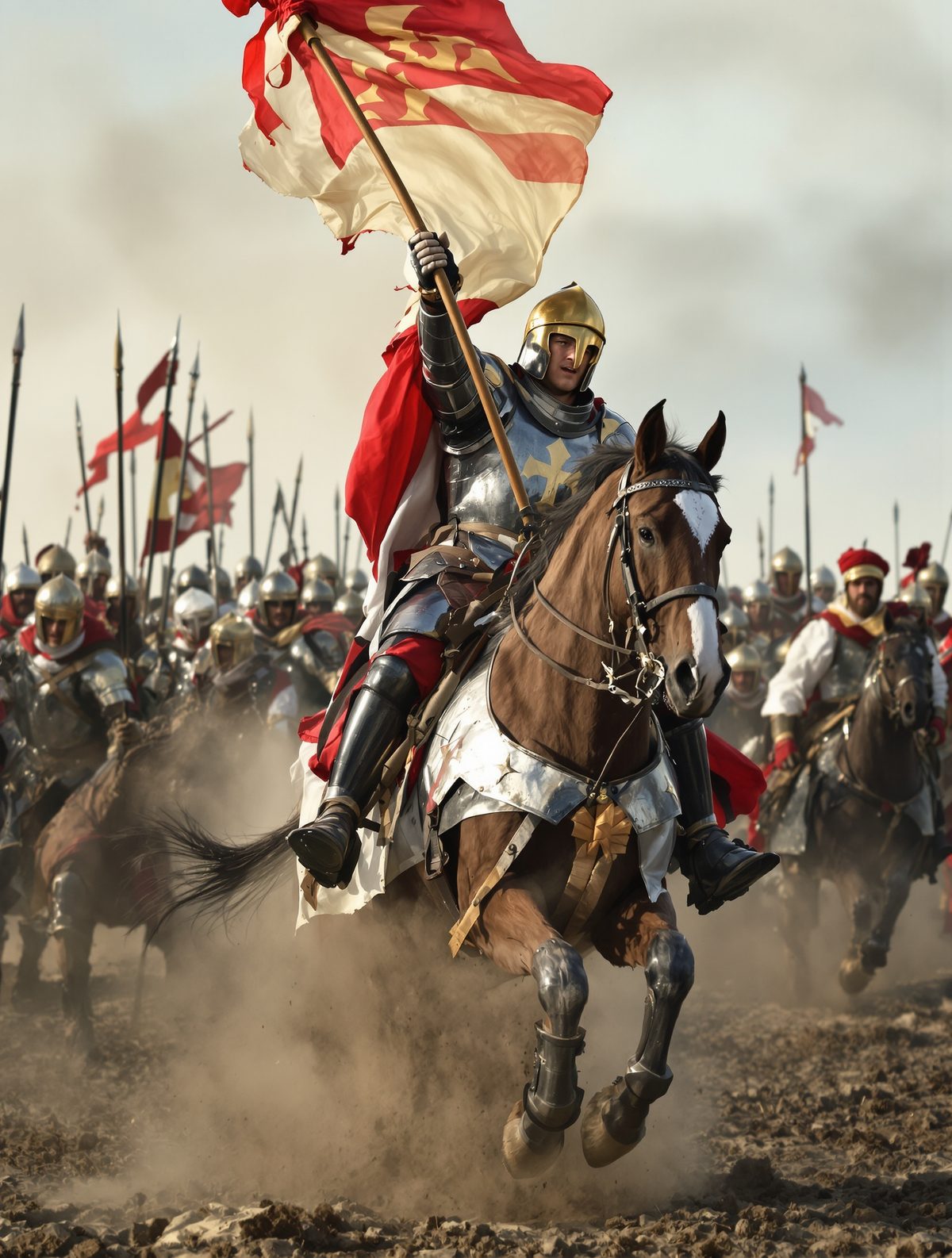
For Tlacaelel, warfare was the expression of divine will. The 1440s saw the policy of flowery wars, or xochiyaoyotl, where the Aztecs would engage their rivals, not solely for conquest but to capture prisoners for sacrifices. This warfare was deeply intertwined with Tlacaelel's doctrine that the sun required nourishing from human hearts, without which the universe itself would collapse.
The prisoners of these wars paid the ultimate debt. It redefined the entire socio-political fabric of the Aztec state. Soldiers gained prestige, while the populace, through ritual sacrifices, believed they were preserving cosmic order. A remarkable framework that Tlacaelel embedded into the empire’s lifeblood — no city left unconquered, no tribute unpaid.
The Mysterious “Conqueror” of Tributes
Under Tlacaelel's reign, as the de facto ruler, the Aztec Empire morphed into a finely tuned war machine. Diplomatic relations were as crucial as battlefield victories. The potent city-states of Texcoco and Tlacopan became allies in the Triple Alliance forged in 1428, allowing the Aztecs to systematically expand their reach.
Yet, Tlacaelel's wisdom was evident in that expansion did not rely solely on military prowess. He orchestrated the tribute system, requiring subjugated regions to send a constant flow of goods like cacao, cotton, and jaguar pelts to Tenochtitlán. With every successful conquest, the empire's coffers swelled, strengthening the city-state’s economic might without direct oppression. His was a strategy of soft power, one of coercive economic diplomacy cleverly disguised as dominance.
The Legacy Left in the Shadows
Tlacaelel passed away in 1487, leaving behind an empire unmatched in Mesoamerica, with a legacy etched in temple stones, captivating mythology, and an empire that, for a moment, seemed immortal. Despite his profound influence, his name is markedly absent in many historical accounts. Without wearing the crown, he structured an entire empire and planted ideological seeds that would bear fruit long beyond his time.
The story of Tlacaelel is an intriguing reminder that power does not always rest with the throne’s sitter, but with the voice that whispers in his ear. His innovations and audacity shaped a civilization's destiny, and his story invites us to reflect on the often unseen forces that guide history.
Today, as we unearth the echoes of Tlacaelel's contributions, his life challenges us to reconsider the complex narratives of power and influence — a tale not just of might but of ideas that menace more profoundly than any sword.