In the dust and chaos of a battlefield where the fate of empires hung in the balance, Darius III, the last king of the Persian Empire, fled with the echoes of combat still haunting his steps. Little did he know that his desperate retreat would not only be a pivotal moment in history but also the beginning of a deeply human tragedy that would test his spirit in unfathomable ways. What he later learned of his enemy’s unexpected mercy left him in tears – an evocative testament to the tangled complexities of honor, defeat, and humanity.
Flight from Gaugamela
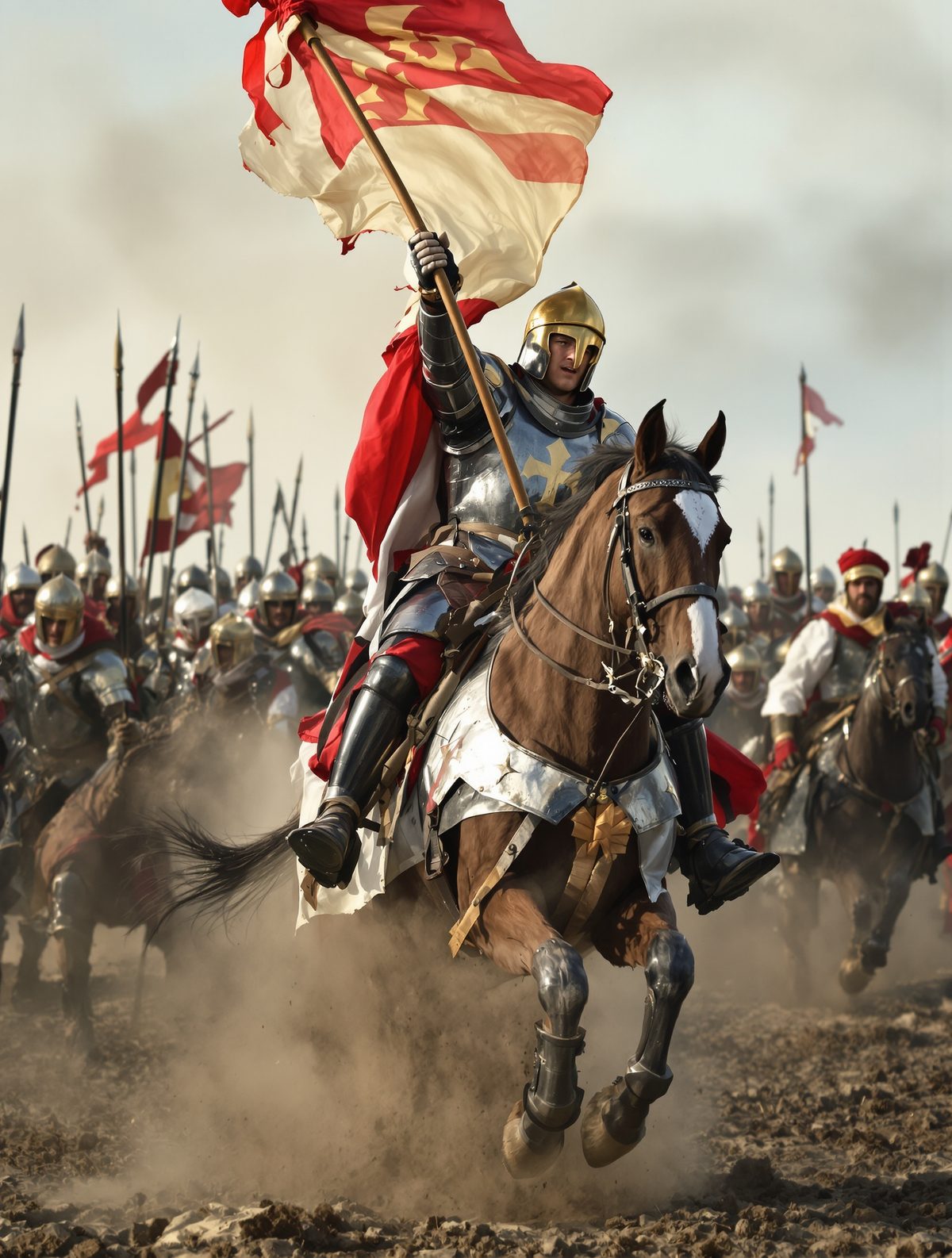
The year was 331 BC, and the world watched as two colossal forces clashed at the Battle of Gaugamela, near what is now modern-day Mosul, Iraq. On one side was Darius III, the King of Kings, commanding the might of the Persian Empire. Opposing him, Alexander the Great, the Macedonian warrior-king renowned for his audacious strategies and unyielding ambition to conquer Persia.
The battle raged with such ferocity that the sun itself seemed to cast shadows of conflict. Darius, fighting amongst war elephants and chariots, was no match for Alexander’s highly mobile and disciplined phalanxes. Strategic genius combined with relentless determination saw the Macedonian cavalry smash through the Persian lines. In the frenzy, and with his forces in disarray, Darius chose retreat over capture, escaping into the twilight with only a handful of his men.
This was not just a tactical withdrawal but a hurried abdication of responsibility that left his family at the mercy of fate. Unbeknownst to him at the time, this decision would haunt him more profoundly than the loss of his empire.
The Royal Captives
As Alexander’s troops surged triumphantly through the Persian camp, they discovered unexpected spoils of war: Darius’s royal tent and, within it, his mother Sisygambis, his wife Stateira, and his three children. Such a capture was unprecedented, and yet it was Alexander’s remarkable response that truly shocked the world.
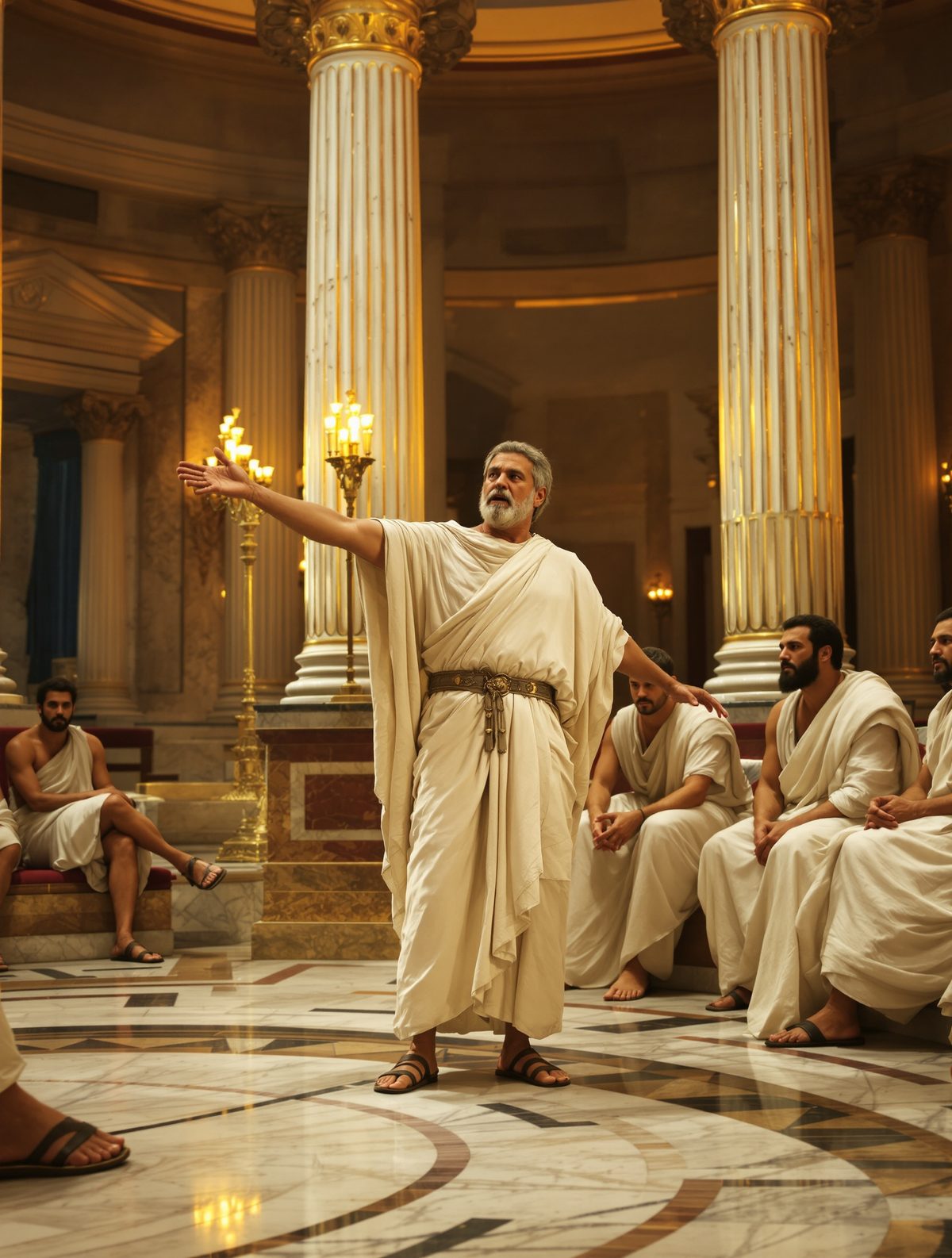
Though a conqueror, Alexander was also a statesman and believed in treating the fallen with respect to win their hearts. He ordered that the royal family be treated not as hostages but with the dignity befitting their station. They were given quarters and sustenance matching their nobility, along with reassurances of their safety.
It is said that Stateira was renowned for her beauty, yet Alexander refrained from any dishonorable actions, reportedly stating that “a king must act as a king should.” This profound empathy towards those who were essentially his enemies captured the attention of his troops and defined a paradoxical side of his character, earning admiration even among his adversaries.
Tears of a Fallen King
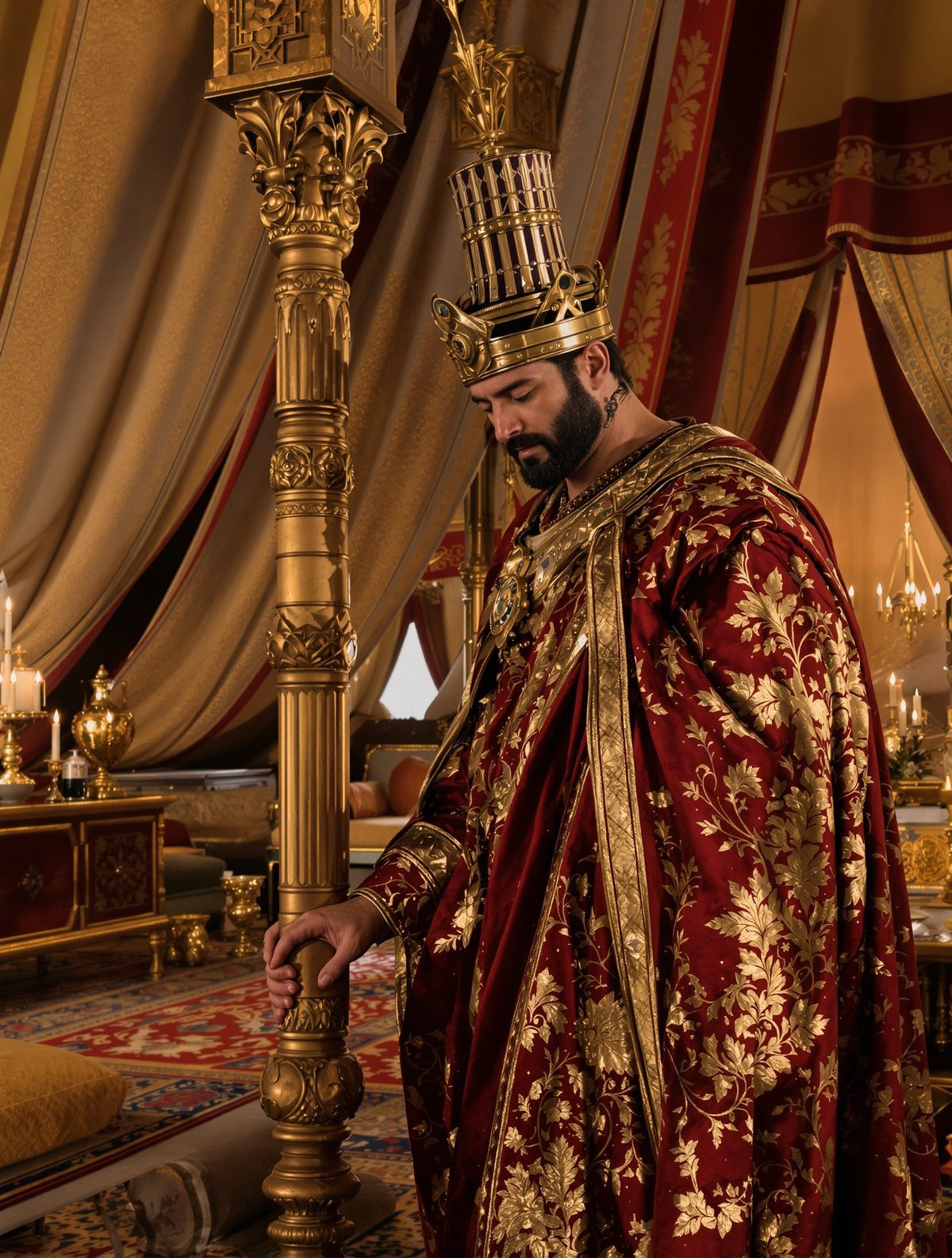
When Darius III, worn and battered after his escape, received news of how Alexander had treated his family, he was overcome with emotion. It was reported by historians such as Arrian and Plutarch that Darius wept openly – not just for the humiliation of losing his kingdom but also from the relief that his kin were safe and the shame of abandoning them.
This raw moment of vulnerability paints a vivid picture of a fallen king reconciling with the honor and compassion shown by the very man who had shattered his world. It is a profound reminder of the intricate interplay between power and mercy, where magnanimity can stir deeper emotional responses than dominance.
The Aftermath: A Legacy of Honor
Despite his moments of grace, Darius did not abandon his claim to Persia’s throne. He attempted to muster support to reclaim his empire but found himself increasingly isolated and betrayed by former allies. In July 330 BC, Darius was assassinated by his own satraps in Bactria, a victim of political power struggles akin to those he once orchestrated.
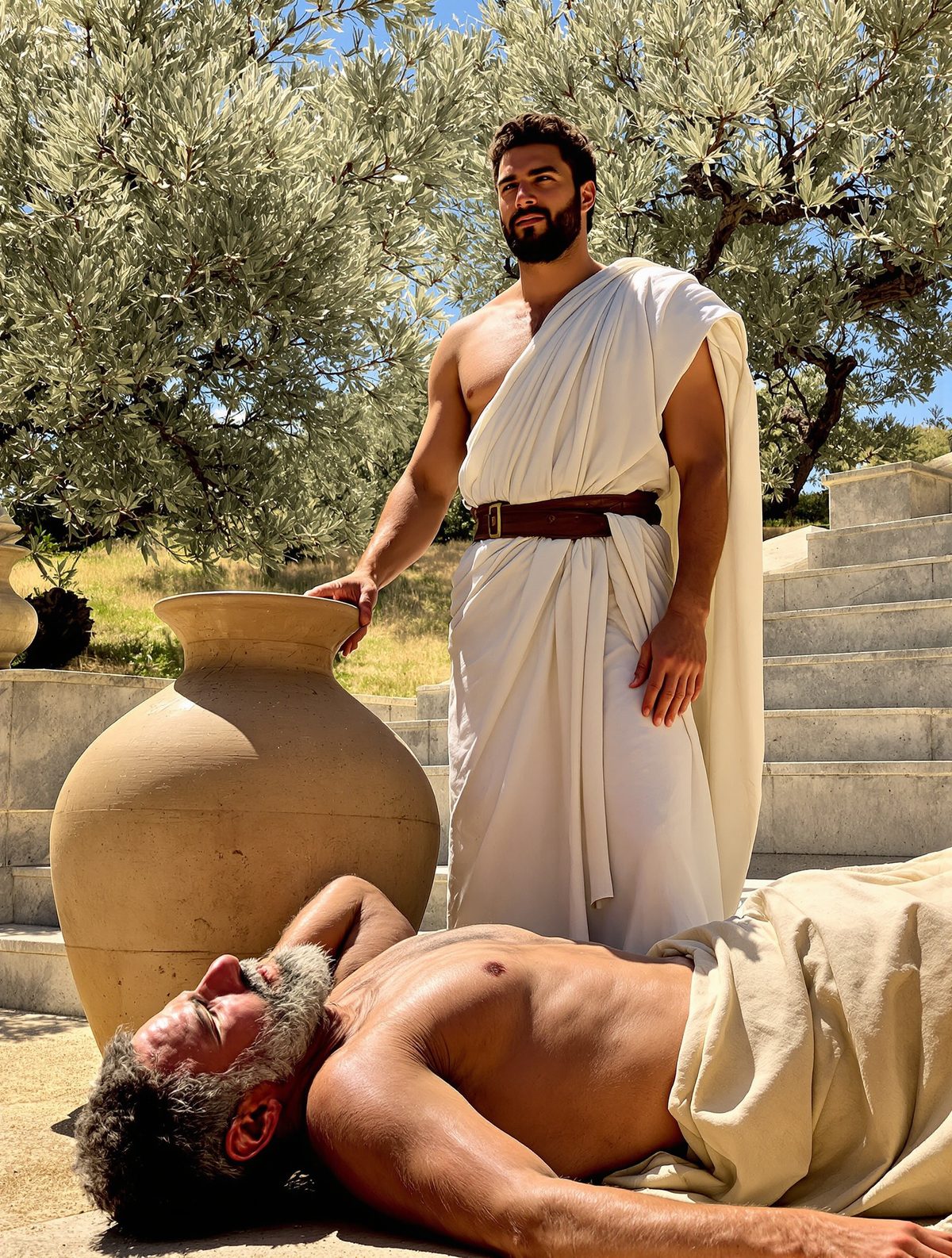
Alexander, upon discovering Darius’s body, wrapped it in his own royal cloak and sent it back to Persia for a king’s funeral, cementing his reputation as a conquering hero with a moral compass. He further secured his hold on Persia by marrying Darius's daughter, Stateira II, blending the two royal lines in an act of political savviness mixed with genuine respect for the house of Darius.
Why This Matters Today
The poignant tale of Darius III and his reaction to Alexander’s actions provides more than an intriguing historical footnote; it reflects the enduring human struggle between pride and grace, power and empathy. In a world today where conflict and competition often sweep aside compassion, the story encourages us to reflect on the capacity for empathy to bridge divides and heal wounds that power alone cannot.
While Darius III’s tears symbolize personal loss and regret, they also highlight the profound impact of kindness in the face of hostility. As history shows, even amidst the flames of conflict, there exists the potential for gestures of humanity to transcend enmity and redefine the meaning of true victory.