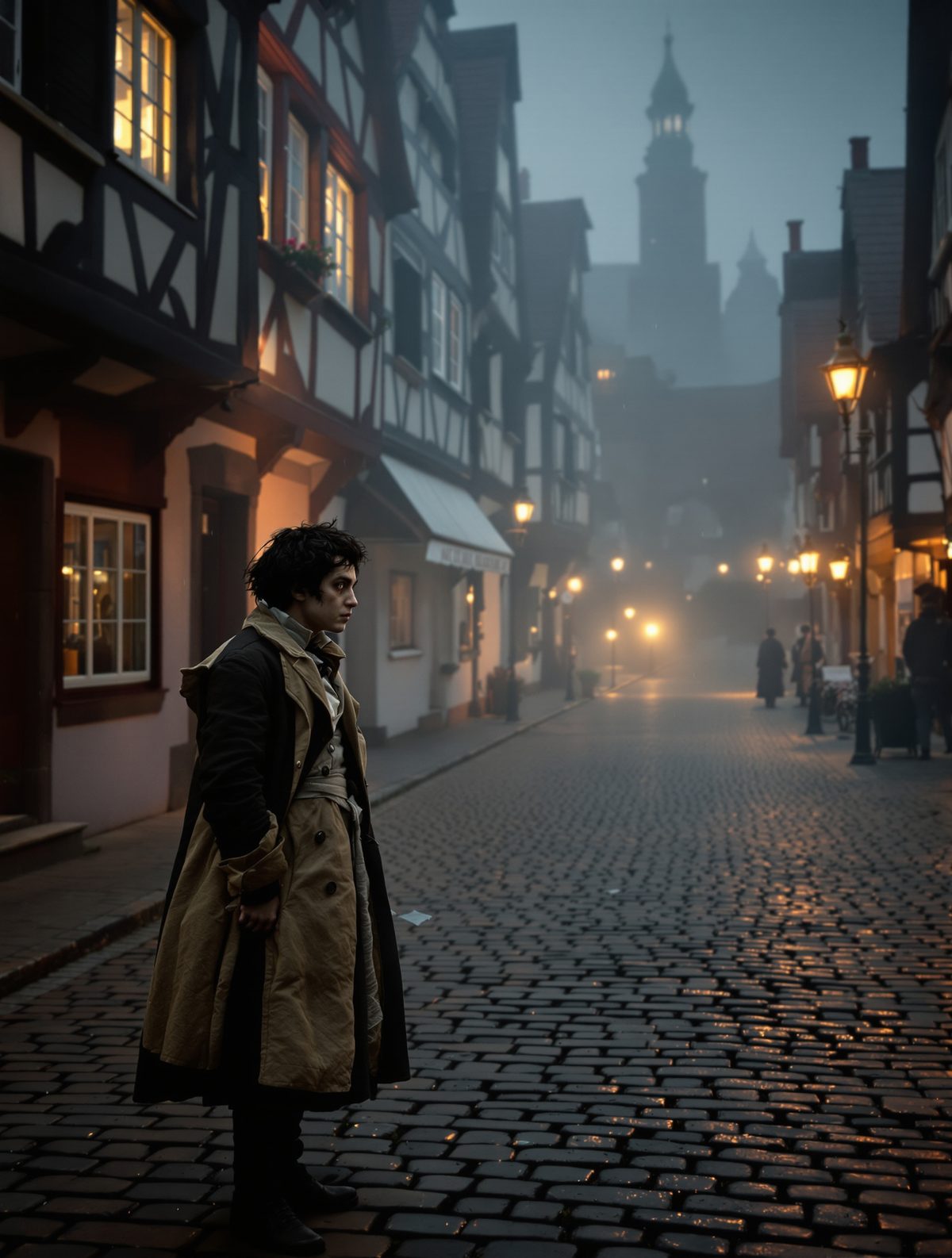
On a fateful day in 1828, a mysterious boy stumbled into the streets of Nuremberg, Germany, leaving behind a whirlwind of questions and a trail of intrigue that still mystifies historians almost two centuries later. With nothing more than a few undecipherable words, a bewildered demeanor, and a cryptic letter clutched in his hand, he would come to be known as Kaspar Hauser, the enigma who walked into town with no past but a deeply troubled one, setting off a chain of events that some speculate could rival the most complex espionage thrillers of our time.
The Mysterious Appearance
It was May 26, 1828, when the people of Nuremberg first laid eyes on Kaspar Hauser. Found wandering aimlessly, he wore tattered clothes and exhibited all the signs of someone unaccustomed to sunlight and social interaction. He carried with him a letter addressed to the captain of the 4th Squadron of the 6th Cavalry Regiment, Captain von Wessing, requesting that the captain either take the boy in or hang him. Such a strange request piqued everyone's curiosity.
When questioned, all Kaspar could say was "I want to be a cavalryman, as my father was," and continuously repeated the phrase "don't know." His lack of comprehension and with only a rudimentary ability to write his name hinted at a life spent in isolation. This unworldly appearance and behavior threw the society of Nuremberg, and indeed Europe, into a frenzy of speculation. Who was Kaspar Hauser, and where did he come from?
The Dark Confines of a Cell
As authorities and the locals tried to uncover the truth about this peculiar youth, Kaspar clung to a haunting story: he claimed to have spent his entire life in a small, darkened cell, fed only bread and water by a mysterious captor who never revealed their identity. He knew nothing of the world outside his four confining walls and had never interacted with another human being until his release.
Many thought the story implausible, conjured up by a young mind suffering from trauma or mental illness. Yet Kaspar's knowledge, or lack thereof, about basic human conventions such as speaking and walking, seemed to corroborate elements of his tale. Further perplexing were his aversion to bright light, his enjoyment of playing with toys typically suited to a much younger child, and his emotional volatility, hinting at a severely disrupted development.
A Prince in Disguise?
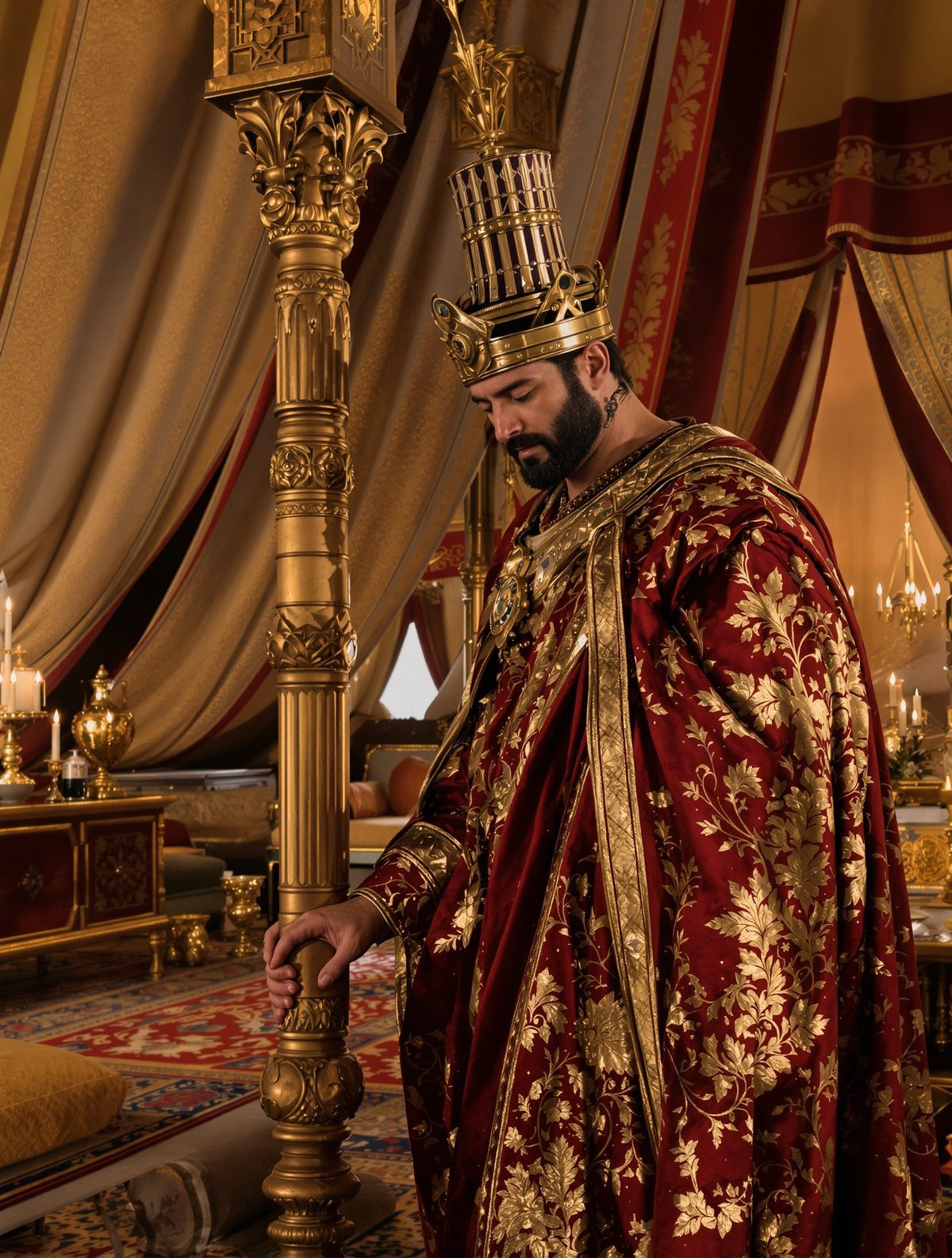
The mystery around Kaspar Hauser's origins soon gave rise to wild theories. One of the most popular belonged to that of princely intrigue and danger. Some suggested that he was the heir to the Grand Duchy of Baden, stolen away to pave the way for another branch of the family to ascend. This theory posited that if his identity were revealed, it could spark a political explosion across European courts.
Astonishingly, the notion was not entirely unfounded. Various pieces of circumstantial evidence, such as physical resemblance to members of the Baden family and suspicious handling of his case by officials, gave it weight. But without definitive proof, this theory remained in the realm of speculation. Nonetheless, it fueled endless debates and further scrutiny across the continent.
Assassination Attempts and Strange Death
Tragedy struck just a few years after his appearance. In 1829, Kaspar was found with a deep wound to his forehead, claiming he was attacked in his caretaker's home, the house of Professor Daumer. Whoever had struck him seemed to wish him silent — possibly forever. Instead of receiving sympathy, many accused Kaspar of self-harm for attention. The public's doubt did little to dispel the looming danger.
Then, on December 14, 1833, Hauser staggered home with a deep stab wound to his chest, proclaiming he had been lured to a garden and attacked by an unknown man. A small violet purse supposedly containing a cryptic note further deepened the plot. He succumbed to his injuries three days later, his final words as enigmatic as the lives he'd touched: "I didn't do it myself."
A Legacy of Mystery and Speculation
More than a century later, the tale of Kaspar Hauser continues to captivate. Even today, visitors to Ansbach, where his body rests, lay flowers on the site of his demise. DNA testing and forensic investigations have sought to clarify his linage but have yet to provide a conclusive answer that satisfies the historical community entirely. Every new theory brings an equal amount of skepticism and intrigue.
Kaspar's journey raises profound questions: what compels humanity to inquire about origins and identities? His story, woven with elements universal to the human condition—loss, identity, adversity, and survival—remains not just a tale of an abandoned boy but a poignant reminder of the enigmatic state of human affairs.
In a world where lineage and identity often dictate destiny, the story of Kaspar Hauser serves as a stark reminder of those left behind when historical narratives are dictated by power and intrigue. His story reflects the silent struggle of the individual destined to remain a riddle, forever hovering between the shadows of historical fact and fiction.