The dawn light crept over the ancient walls of Jerusalem, casting elongated shadows that seemed to stretch toward an uncertain fate. The air was cool, laden with the scent of the olive groves that whispered in the gentle breeze. Somewhere, a solitary bird sang an incongruous song of hope. In October 1187, this iconic city was a stage set for profound change. After nearly ninety years under Crusader control, Jerusalem had given in to the relentless pressure of Saladin's forces. The victors stood poised at every gate, and inside Jerusalem, the Crusaders awaited what felt like certain death.
Inside the Besieged City
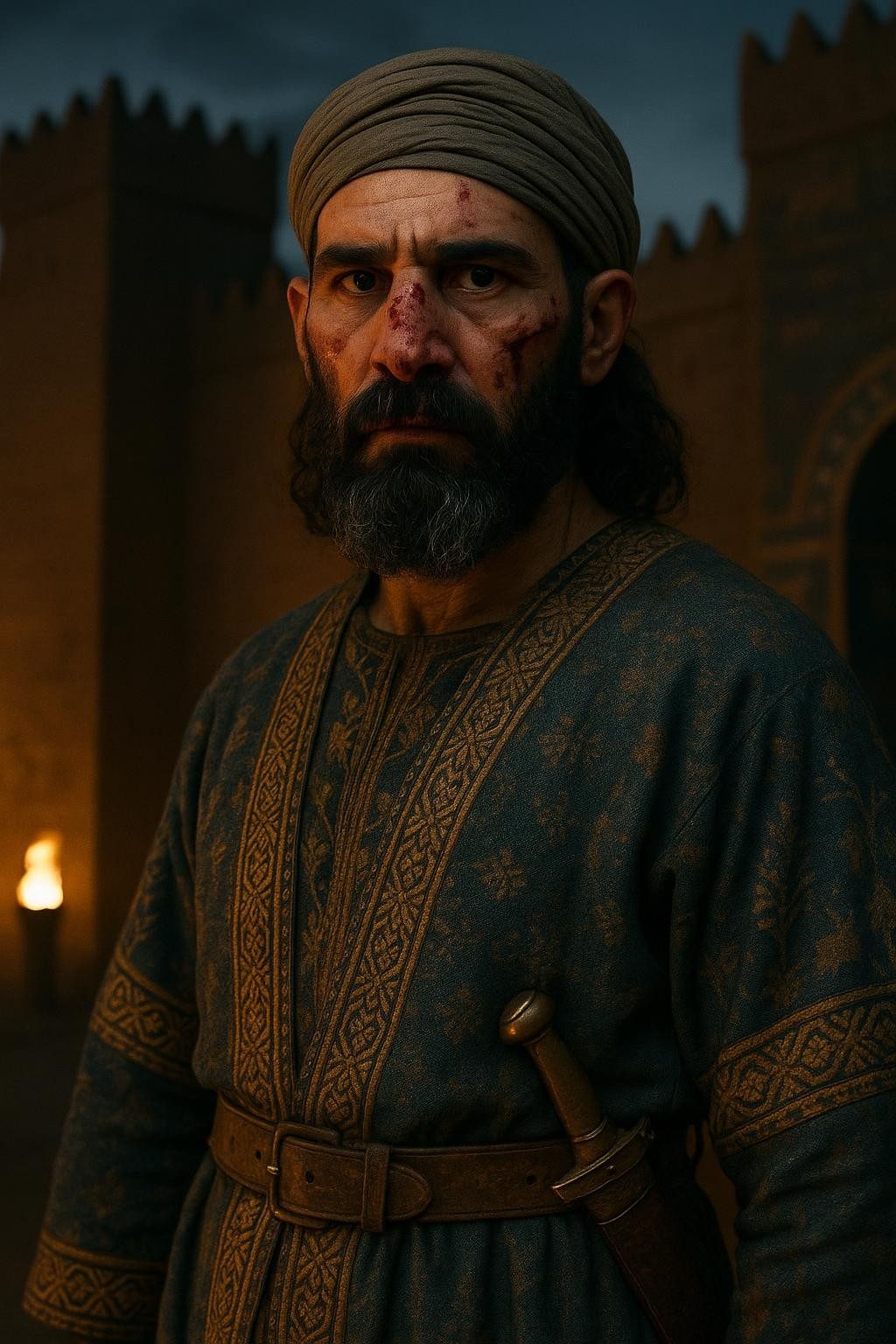
It was a scene of despair and resignation within the fortified city. The streets were eerily silent, save for the hushed prayers of those preparing their souls for what they feared was their final journey. The Christian defenders of Jerusalem knew well the patterns of retribution that followed a city's conquest. Stories of the massacre of 1099, when Crusaders had slaughtered thousands of Muslims upon taking Jerusalem, painted a picture of the grim fate awaiting them. Families huddled together, eyes wide with the terror of the unknown.
The Crusader leadership, understanding both history and their precarious position, attempted to negotiate terms with Saladin. They were met not with bloodthirsty demands but with a strategic mind keen on crafting a legacy of justice and clemency. Saladin's decision to offer terms, rather than death, rippled through the Crusader ranks, mingling disbelief with a glimmer of hope.
Saladin: The Conqueror and the Compassionate
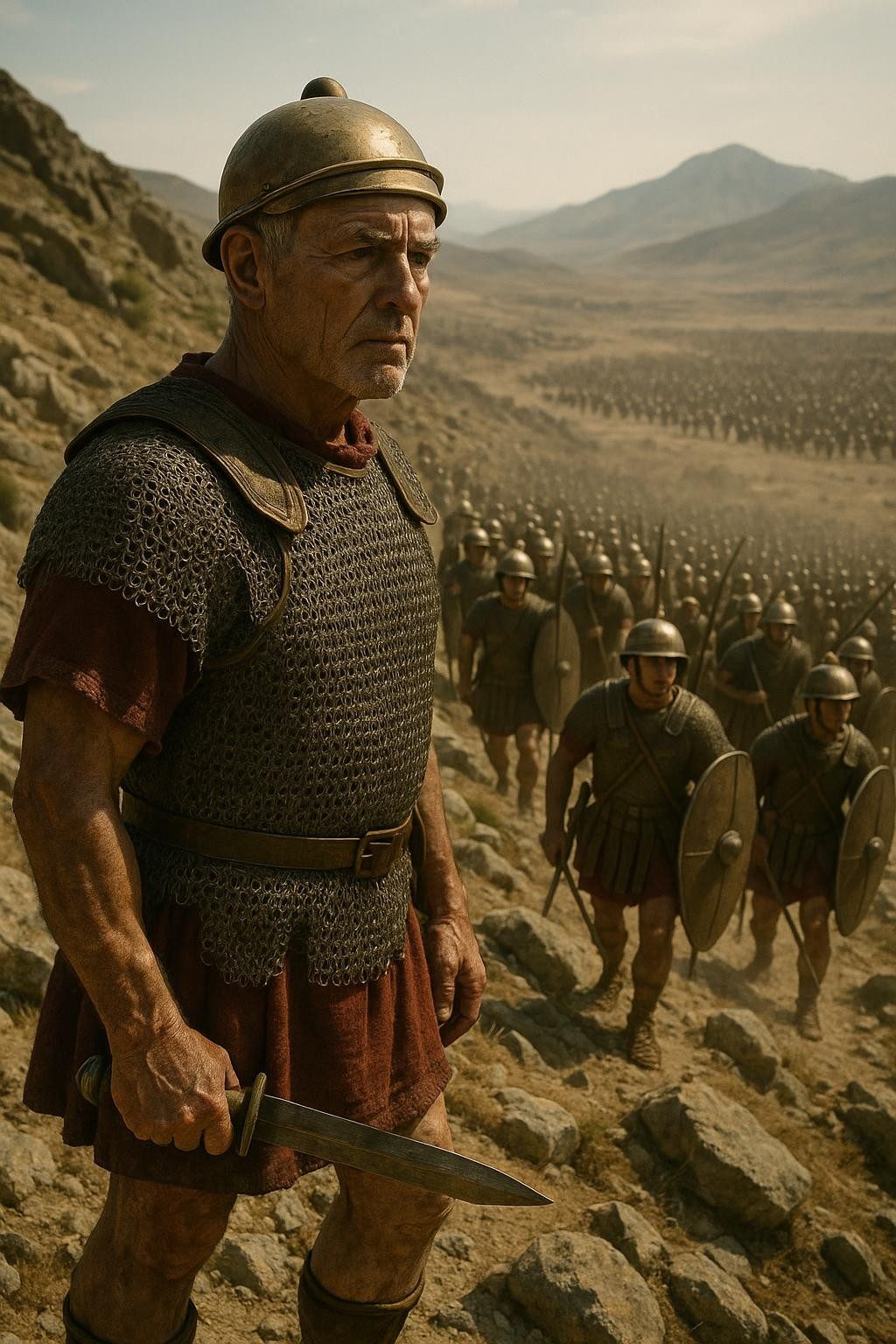
Saladin, whose name resonated like a clashing cymbal across the lands he sought to unite under Islam, stood at the helm of one of the most formidable armies of the medieval Islamic world. History remembers him as a tactician of renown, yet his legacy is profoundly shaped by his unexpected compassion. He could have followed the bloody precedent set by the Crusaders, but chose a different path — one of mercy and diplomacy.
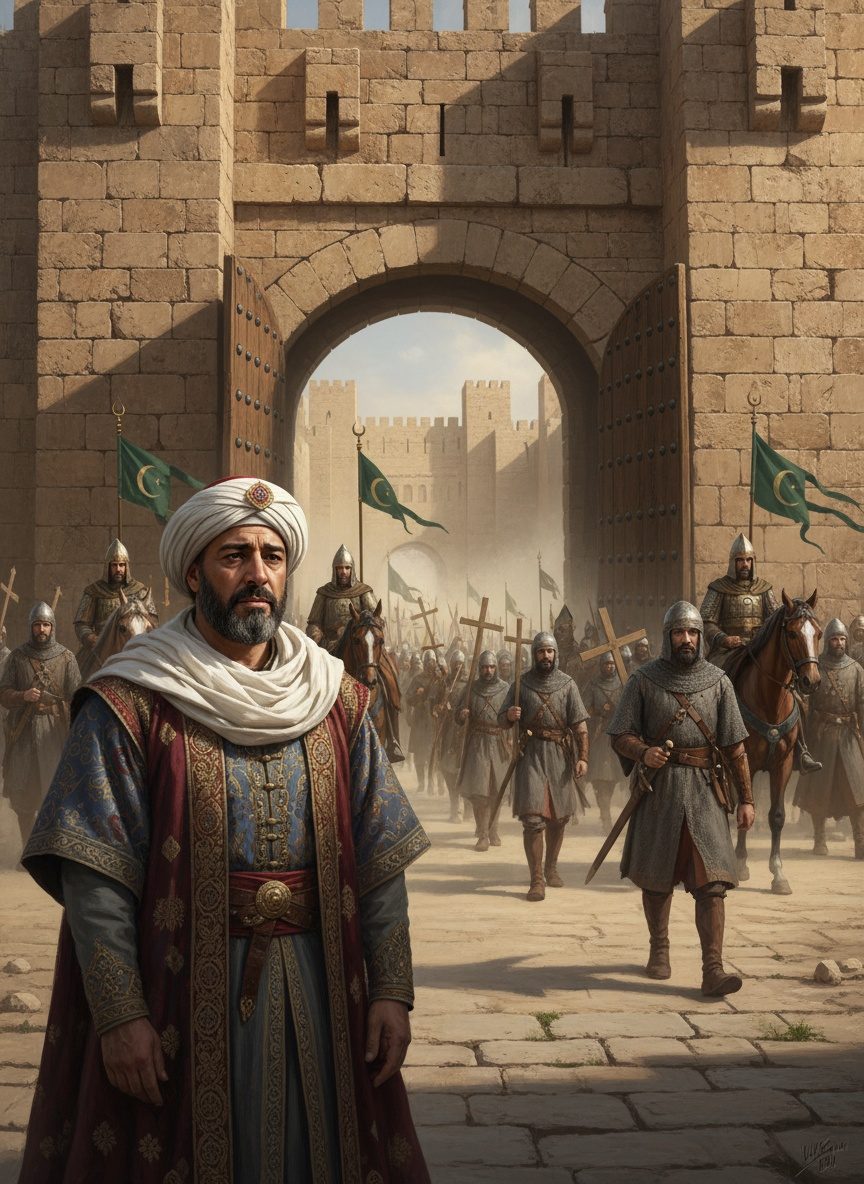
The terms of Jerusalem's surrender were surprising: the Crusaders were allowed to leave upon paying a ransom. Those unable to pay were not doomed; Saladin himself took it upon himself to quietly fund the freedom of thousands of the impoverished. He walked the line between demanding respect and offering grace, ensuring his place in history as a leader who wielded power wisely and humanely.
The Empty Streets of Jerusalem
As the Crusaders filed out of Jerusalem, their paths marked by the acute awareness of their narrow escape from death, Saladin rode into the city not as a conqueror but a liberator. The Muslim inhabitants, who had suffered and endured under nearly a century of foreign rule, returned to a city transformed by its very emptiness. Saladin's entry was not marked by celebration, but rather by a sober reflection of what had been achieved.
The Sultan was overtaken with a profound melancholy as he gazed upon the vacant streets — not out of regret, but from a deep sense of the human cost of conquest. He is said to have wept, perhaps moved by the realization of the transitory nature of power and the enduring impact of decisions rooted in mercy.
A Lesson from the Past
The story of Jerusalem's fall in 1187 and the subsequent mercy shown by Saladin holds timeless resonance. It's a narrative seldom highlighted in classrooms yet offers profound insights into the complexities of conquest and the potential for benevolence in power. While the Third Crusade would soon loom on the horizon, Saladin's actions in Jerusalem had already etched a narrative of honor that would transcend time.
This instance of unexpected mercy in an era dominated by brutal conflict invites reflection. Saladin's decision to favor life over death, mercy over vengeance, planted seeds for a legacy informed by humanity rather than mere dominion. It suggests that the wielding of true power lies not just in the ability to conquer, but in the courage to show compassion, transforming adversaries into allies, or at least into something less than eternal foes.