The air was thick with the acrid scent of burning torches as Alexander and his men breached the fortress walls. The echo of clashing swords still reverberated against the ancient stone when he saw her for the first time. Roxana stood defiant amidst the chaos, her presence commanding attention even in captivity. She wore her heritage like a cloak of dignity—a Bactrian noblewoman caught in the tide of conquest. It was at that moment that Alexander, the mighty conqueror of Persia, found his match in the unlikeliest of places.
Scaling the Impregnable Rock
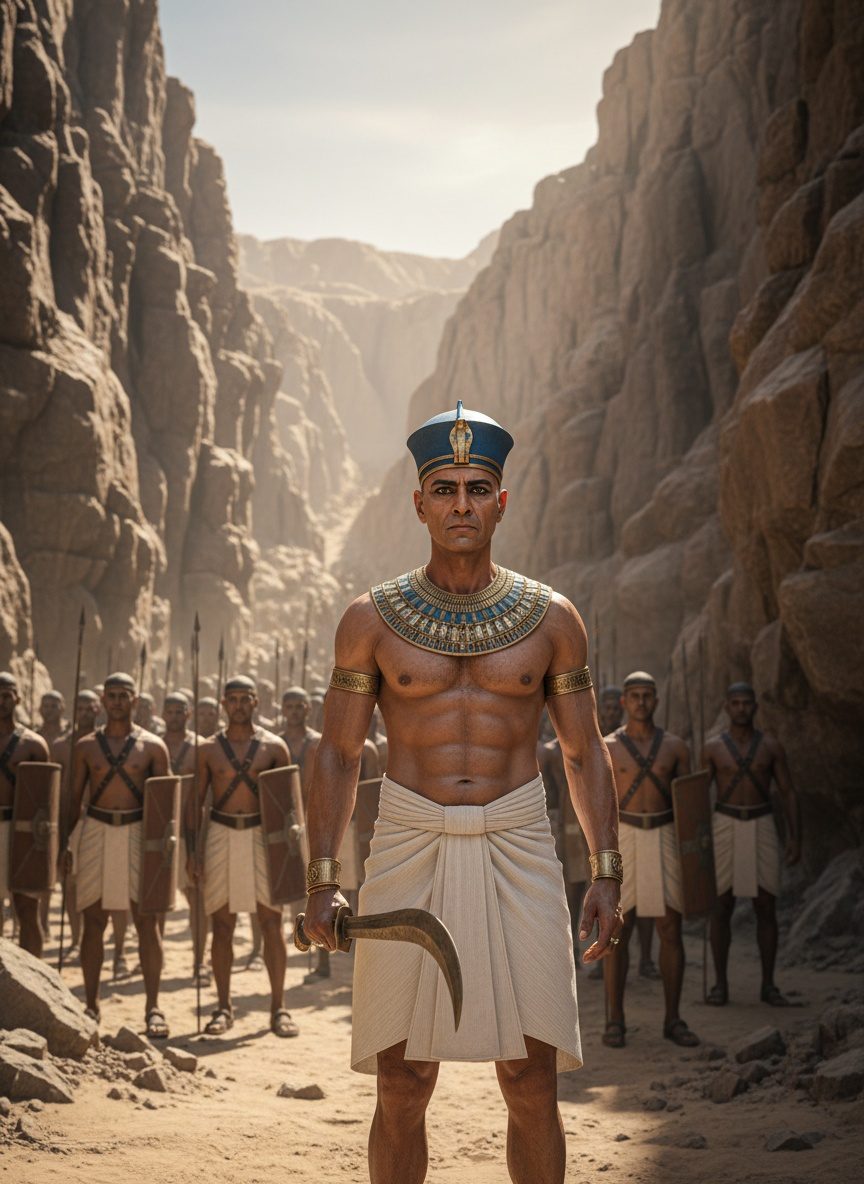
The Rock of Sogdiana loomed impossibly high, a fortress carved into the unforgiving cliffside—its defenses seemingly as enduring as the mountain itself. Protected by the rugged terrain and steep precipices, it was a sanctuary thought secure from any advancing army—or so its defenders believed. In 327 BC, Alexander set his sights on this stronghold, knowing its capture was as much symbolic as strategic. To conquer the unconquerable would cement his dominion over Bactria and strike fear into those who still dared defy him.
His troops faced a daunting challenge. The climb was perilous, with sheer drops and razor-sharp rocks threatening to end their ascent prematurely. Yet, driven by the certainty that they were making history, Alexander's men scaled the cliffs under cover of darkness. Once on top, the defenders found themselves outmatched, outmaneuvered, and outgunned by the sheer audacity of Alexander’s forces.
The Enigma at the Heart of Bactria
Within the fortress, beyond the clash of arms and the dust of battle, lay Roxana, daughter of a prominent Bactrian noble. Known for her beauty and intellect, she represented not just a prize of war, but a bridge between two worlds—Greek and Persian. Her presence in the fortress was no mere accident of birth. She had grown up at the crossroads of cultures, learning to navigate the intricacies of the court and the churning undercurrents of empire.
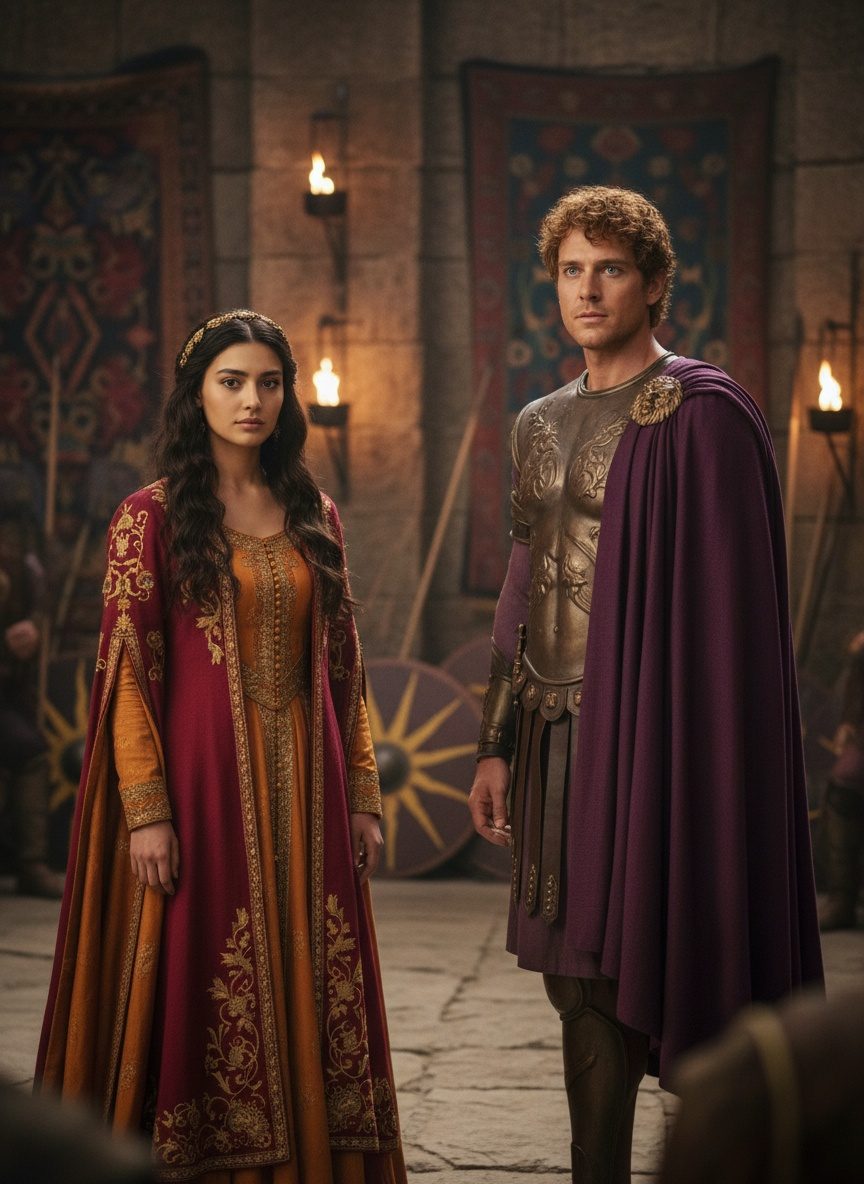
Alexander had come for a fortress and left with a queen. Marrying Roxana was a political masterstroke; it unified the Macedonian conqueror with the nobility of the Achaemenid Empire. Some of his advisors questioned the wisdom of elevating a captive, yet to Alexander, Roxana was not simply a conquest. She was an opportunity to forge a new lineage, a blend of East and West. Together, they presented a visual testament to the peace he hoped to cultivate.
The Unexpected Union
The union of Alexander and Roxana was not one borne from love as romantic tales might suggest, but from deep mutual respect and strategic necessity. In a time when marriages were often used as pawns for consolidation of power, this one stood out for different reasons. Alexander, who had embraced many aspects of Persian culture since his journey eastward, saw in Roxana the embodiment of bridging worlds.
Their marriage marked a turning point. For the people of both Macedonia and Persia, Roxana's newfound prominence symbolized a new era. One can imagine the astonishment and speculation it incited among Alexander’s troops and his newly subjugated subjects. The marriage ceremony itself was a fusion of Macedonian and Persian traditions, perhaps a small glimpse into the broader cultural amalgamation he envisioned.
A Stronghold of Unyielding Loyalty
In the years that followed, Roxana remained a pivotal figure. Her presence at Alexander’s side was more than mere companionship—it was a proclamation. Even in the upsurge of loyalty and betrayals that defined the waning years of his campaigns, she stood as a symbol of unity and resilience. While historians often focus on Alexander's legendary exploits and strategy, it is worth noting the subtle yet profound influence Roxana might have exerted from within his inner circle.
Roxana's story did not culminate with Alexander's untimely death. After his passing, the battles she faced were of a more insidious nature, as his generals vied for power and the once mighty empire threatened to splinter. Her strength and leadership were called upon yet again as she maneuvered through the turbulent aftermath, safeguarding her son's future and the legacy of a world she helped integrate.
The Queen in the Footsteps of Giants
Roxana's journey from captive noblewoman to queen reverberates through history as a unique narrative of agency and adaptation in a world defined by conquest. Her elevation as Alexander's consort signified more than a mere political alliance; it suggested a vision of unity in diversity, a theme echoing throughout the ages. Through the lens of her story, we glimpse the human aspects often overshadowed by the broad strokes of military conquest and empire building.
As we ponder her legacy, we're reminded of the rare moments where sheer force of character and circumstance intertwine. Roxana's tale is a testament to how individuals can shape the world stage, even when cast against the backdrop of formidable and seemingly predestined powers. Her narrative invites us to consider the quiet influences behind great empires and the transformative power of unexpected alliances.