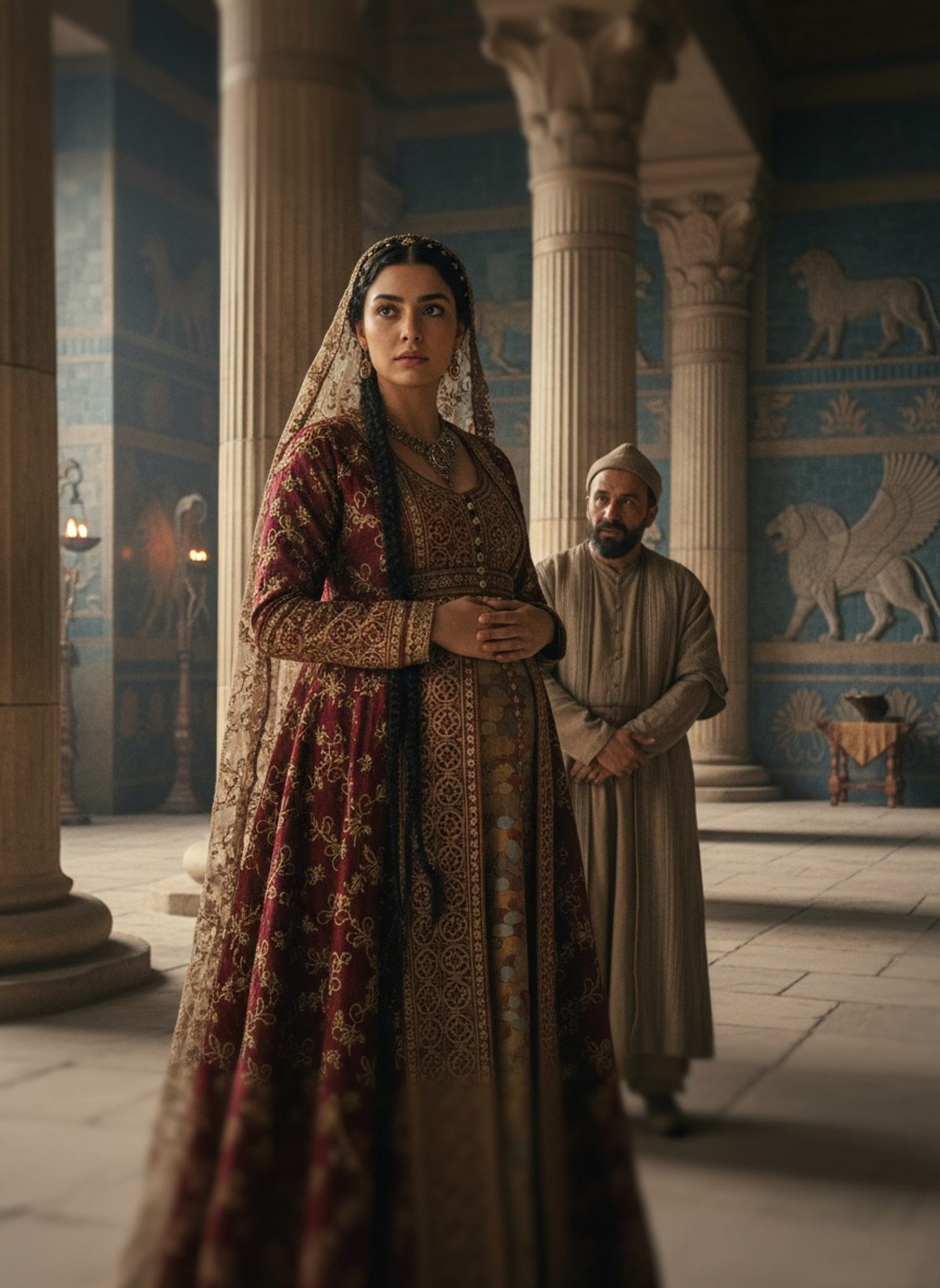
She was the daughter of a Bactrian nobleman, accustomed to the rugged landscapes of ancient Central Asia. The court of Alexander the Great was worlds away, yet here Roxana stood before the nobles of the crumbling empire, an outsider in their eyes and an empress in her own right.
The Aftermath of Alexander's Death
In June of 323 BC, Babylon was a city bustling with news. Alexander the Great, the man who had conquered half the known world, lay dead. His empire, hastily stitched together by warfare and diplomacy, hovered on the brink of disintegration. Generals and satraps, once united under their brilliant leader, turned into power-hungry vultures, ready to tear apart his legacy for their own gain. Amongst them, one unlikely figure held her ground: Roxana, the Bactrian queen, and, crucially, the mother of Alexander’s unborn child.
Roxana’s position was fraught with peril. She was a foreigner, married by Alexander in a political union meant to merge the Greek and Iranian peoples. Her immediate status was in jeopardy, yet she was acutely aware of the precarious balance her unborn child represented. As the empire trembled, Roxana's resolve hardened. She seized the chaotic moment, understanding all too well that survival depended not just on keeping power within reach but on acting with swift decisiveness amidst a sea of ambitious men.
Grasping the Horns of Fate
In a world where women were often relegated to the sidelines, Roxana's action was bold and shrewd. She did not wait for the power dynamics to shift in her favor. Instead, she took matters into her own hands. Recognizing the threat posed by other potential heirs, particularly those born from Alexander's other, less politically significant marriages, she enacted a plan both ruthless and calculated.
It is said that, to secure the throne for her child, Roxana orchestrated the elimination of influential rivals, including Alexander's other wives. This daring move was not only a testament to her resolve but also a strategic play to ensure her child's unchallenged claim. Her actions reverberated through the halls of power, marking her as a force to be reckoned with, and underscoring the severe and sometimes brutal nature of royal succession in the ancient world.
Standing Before the Nobles
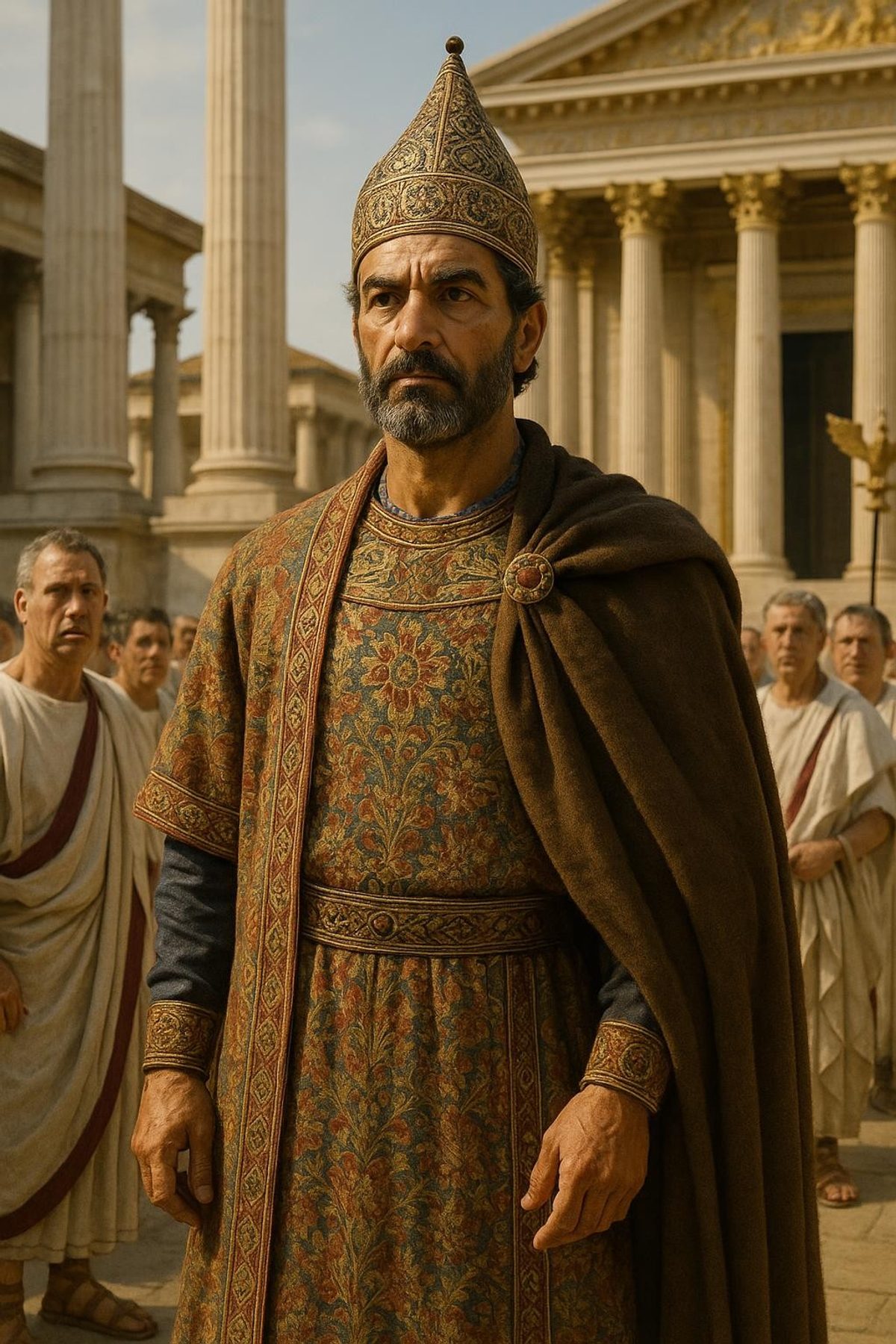
Roxana soon stood before the Macedonian nobles, her belly round with Alexander’s heir. She presented not a plea, but a declaration. The Macedonian military council had gathered in the capital of Babylon, uneasy and divided over the future. Here was Roxana, unbowed, standing not just for herself but for her unborn child, who she argued was the rightful heir to the empire.
With the ardent eyes of seasoned generals upon her, this Bactrian queen did not cower. Her confidence was evident, her voice strong. In that moment, Roxana embodied the formidable spirit of the empire itself. She convinced the uncertain nobles of the necessity to recognize her son as the legitimate successor to Alexander. Her acumen in navigating this treacherous political landscape was a skill few would have expected from a woman in her position.
Why Roxana's Story Matters
Roxana's tale is not merely a story of survival but also one of surprising initiative and influence. In an epoch dominated by men and marked by conflict, she was a pivotal figure in the tumultuous power struggle that followed Alexander's death. Her ability to leverage her unique position, paired with an unwavering determination to protect her child’s claim, underscores her remarkable and often underappreciated historical significance.
The echoes of Roxana’s resoluteness resonate through history as a testament to the often-overlooked influence of women in shaping the ancient world’s destiny. Her strategic instincts and bold decisions in the face of overwhelming odds serve as a compelling reminder that history's chronicles contain many unsung stories of courage and ingenuity. In her steadfastness and resilience, there lies an enduring lesson on the power of human agency, even when seemingly insurmountable forces loom large. In essence, Roxana's legacy is a poignant reflection on how individuals can shape the destiny of empires, challenging our perceptions of power and influence in the ancient world.