The Mediterranean sun blazed overhead as the precious cargo glided smoothly through azure waters, a determined Roman vessel cutting through the gentle waves. In its hold, a man sat quietly, his eyes fixed on the horizon. The sea spray mingled with the scent of salt and freedom, but freedom was an illusion. Marcus Atilius Regulus, esteemed general of Rome, was temporarily unshackled, yet his thoughts were as burdened as a man wearing heavy chains. Given a choice by his captors, he was returning to Rome to negotiate peace. However, the weighty decision that loomed over him was steeped in honor and fate.
The Shackles of Duty
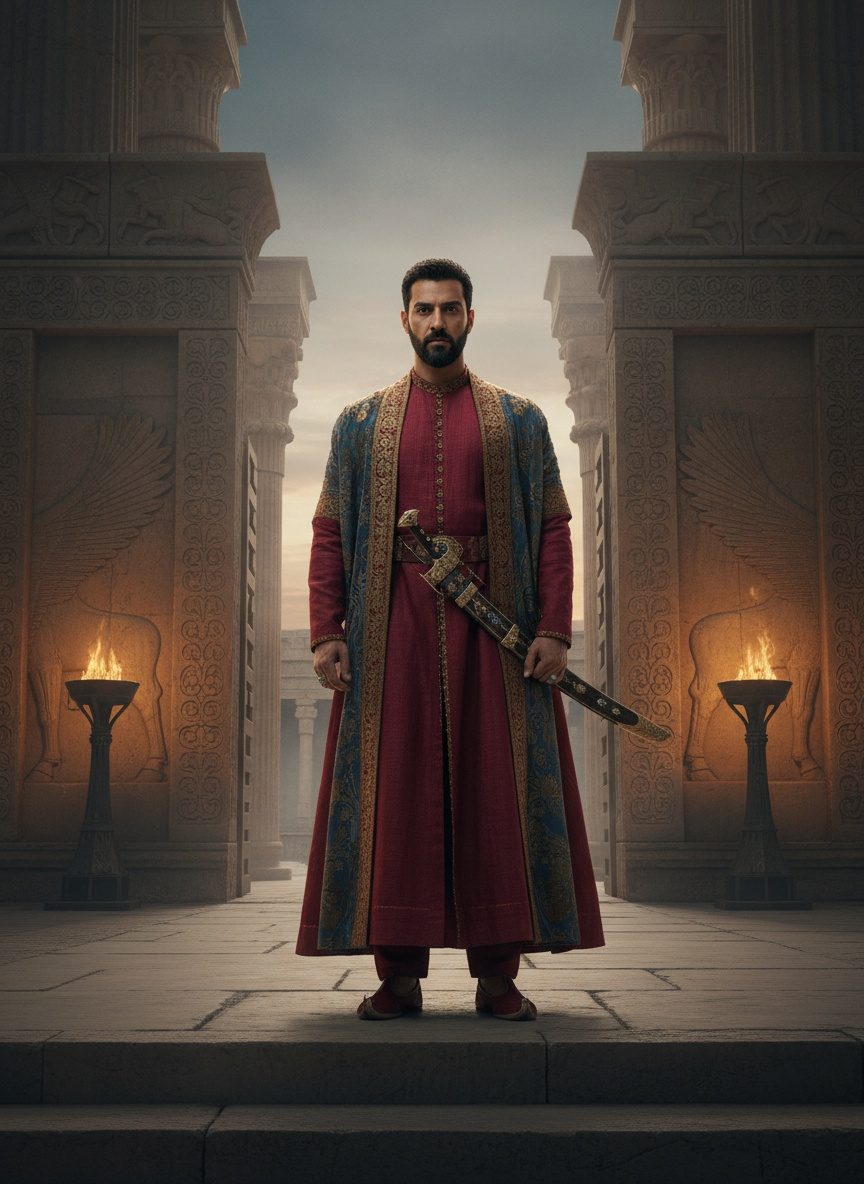
The course of the ship carried Regulus back to Rome, to the shining city he had left in pursuit of military glory against Carthage during the First Punic War. Around 255 BC, amidst the turmoil of a war spanning continents, it was Regulus who rose to prominence. He emerged as one of Rome's finest generals, achieving significant victories against their sworn enemy, Carthage. Yet fortune's wheel turned, and Regulus found himself a prisoner, ensnared in a cell where Carthaginian shadows danced on cold walls. Facing him were the terms of peace he was to present, terms that required surrender and submission—unbearable conditions for the unyielding pride of Rome.
Lesser-known was the odium Carthage felt toward Regulus, for he had once captured Hanno, a noble Carthaginian general, in the same war. Regulus treated him with honor, adhering to Roman principles. This made Carthaginians respect him even in captivity, yet their desire for retribution simmered beneath the surface. With his release, Regulus carried Rome's defiance in his heart. Offering him the prospect of saving his own life, Carthage had extended to him a trust seldom granted, a mix of desperation and strategy.
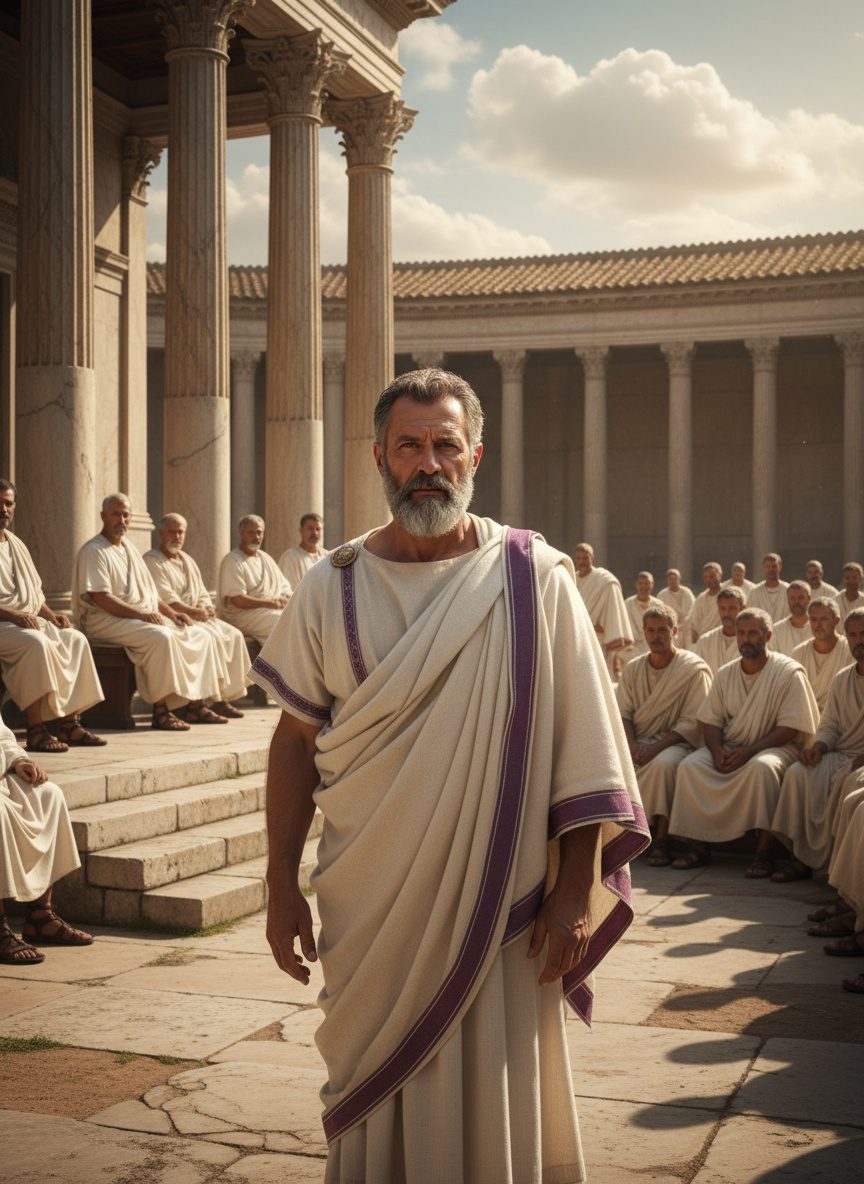
As Regulus stood upon the Senate floor, the air thick with solemnity, he spoke not with the plea of a desperate man but with the conviction of a patriot. He urged the Senate to reject the Carthaginian terms, arguing that the Republic's honor and future were worth more than his life. His words resonated with unwavering loyalty, leaving the Senators and the crowd beyond the chamber silent—a silence that hung like the weight of a thousand seas. The celestial stakes of Regulus’ decision were laid bare, not only concerning Rome's fate but entwined with his soul.
An Embrace with Fate
Perhaps one of the most striking elements of Regulus's story is not just his decision but his motives. Classical Roman virtues revered honor, duty, and sacrifice, ideals borne out in the backdrop of his personal torment. As the echo of his decisive counsel still reverberated through Roman corridors, Regulus chose to fulfill his oath. No trickery nor escape was attempted; remaining steadfast to his captors' demands, he embarked once again toward Carthage.
Upon his re-entrance into hostile walls, the atmosphere shifted. The Carthaginians, failing to navigate the enigma of Roman resolve, now saw in him a challenge rather than a curio. According to Roman lore, punishment was meted out not with justice but with cruelty—a tragic end that many accounts detail with gruesome embellishment. The reality, though grim, was that of displeasure and disbelief turned to ruthless vengeance upon a man who epitomized the heart of Rome.
Despite the horror that ensued, Regulus’s story does not reside in despair but in intrigue. A life once dictated by the clamor of battle drums now shaped by a quiet, firm commitment to honor. The Romans would hold his legacy close, a tale not of tragic demise but of exemplary character. His fate became more than a recount of sacrifice; it was a parable of integrity that outlived ephemeral victories and defeats—an enduring discourse on values transcending lifetimes.
The Legacy Written in Chains
The ripples of Marcus Atilius Regulus's actions continue to swirl through the annals of history like echoes in the Roman Forum. As the war raged on beyond his mortal end, the choices he made shaped the indomitable spirit with which Rome would one day carve an empire stretching across the known world. The memory of a man who embraced shackles not for fortune, but for principle, would live on—a beacon illuminated by his indelible courage.
Drawing from his story, Regulus becomes an embodiment of dilemmas that resonate through ages: What is the cost of honor, and what, indeed, is the price of a man’s word? Through chains worn willingly for the greater good, he leaves readers at a crossroad of ponderance about the nature of personal sacrifice and integrity in leadership. The lessons tethered to Regulus’s choice traces lines upon the hearts of those who dare reflect on his sacrifice, teaching that sometimes in surrendering oneself, the boundaries of freedom are freshly drawn.
A tale replete with irony and valor, Regulus’s story is one seldom illuminated in the classrooms. It serves as a poignant reminder of the stories etched not by the grandeur of victories or emperors, but by the quiet resolve of a man who chose to walk back into chains. In an age fraught with conquest and bloodshed, his journey endures—a tale transcending time, woven with courage, heedful choices, and relentless honor, leading all who learn of it back to the question: what path does the heart walk when the soul’s chains are self-wrought?