He was alone, and he was running for his city’s very survival. When Pheidippides set out on his epic journey, the fate of Athens rested upon a single pair of feet.
The Gathering Storm
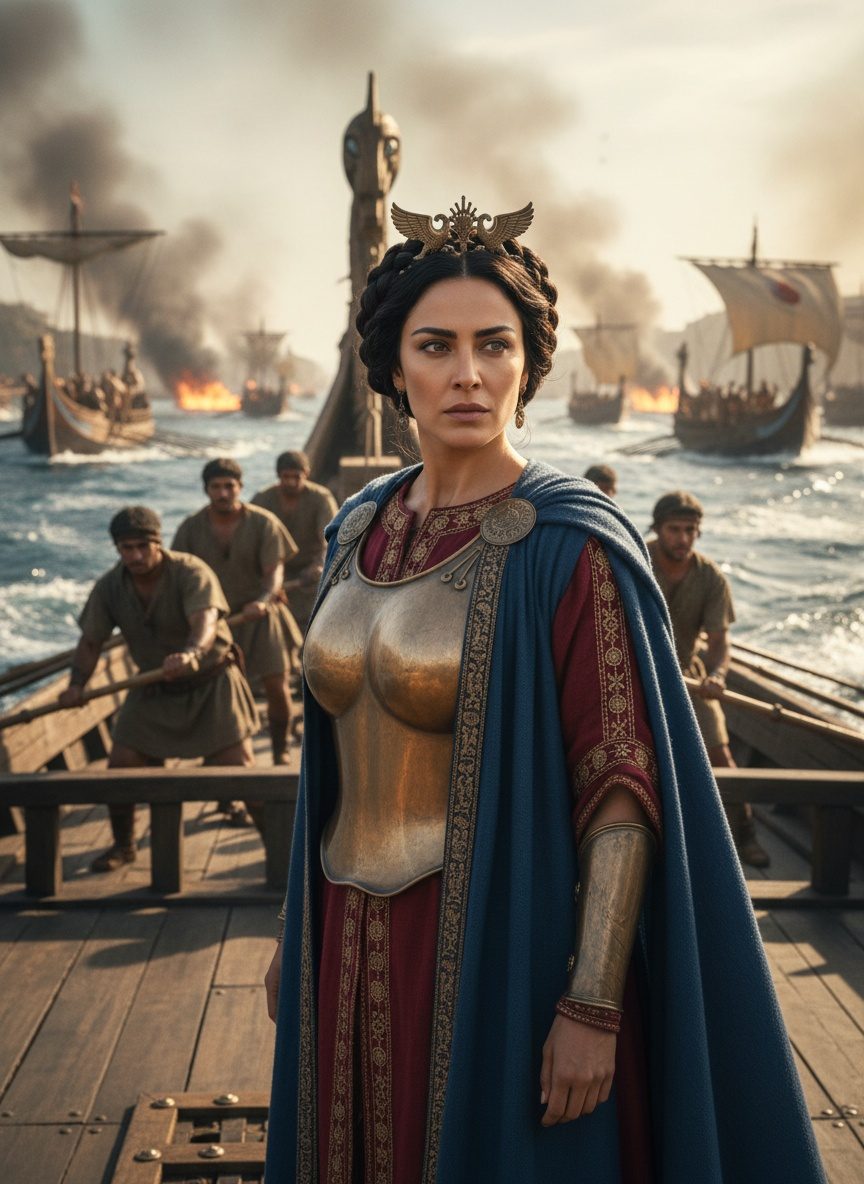
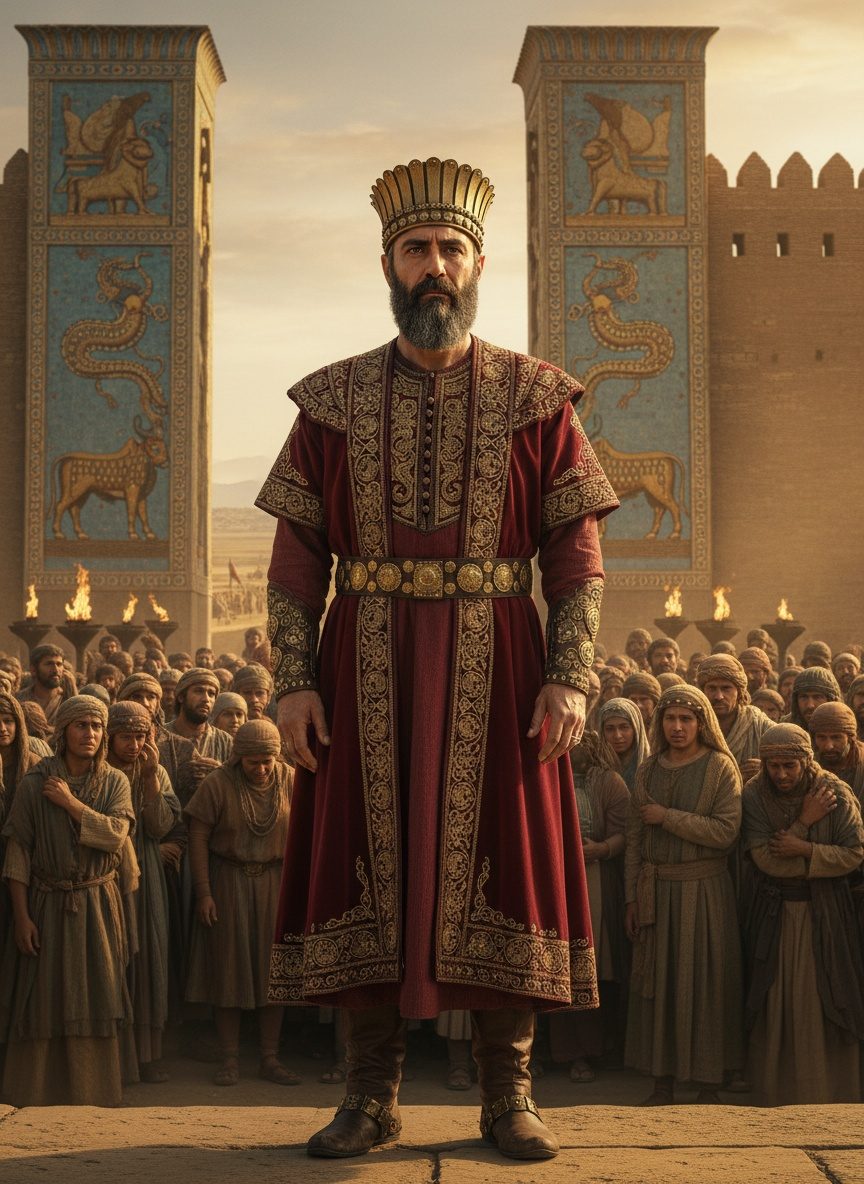
The year was 490 BC, and Athens stood on the brink of oblivion. The mighty Persian Empire, expansive and relentless, had landed forces at Marathon, a mere 26 miles from the heart of Athens. The specter of invasion loomed ominously over the city-states of Greece, but Athens, vibrant with democracy and determined to preserve its newfound freedom, refused to bow without a fight. Yet, in the face of such overwhelming numbers, the Athenians understood their dire need for allies. It was then they turned to Pheidippides.
A Messenger and an Athlete
Pheidippides was no ordinary Athenian; he was a hemerodromos, a professional runner trained in the demanding art of long-distance running. His feet were known to cover incredible distances across Greece’s rugged terrains, tasked with carrying crucial messages faster than any man on horseback. But this mission was unlike any other. Charged with a desperate plea for aid, Pheidippides was to make the journey from Athens to Sparta—a staggering 150 miles—in an impossibly brief timeframe.
The route carved through treacherous landscapes, over rocky hills, and through valleys that swallowed sound and light, stretching out the journey with the weight of nationhood and survival resting on his shoulders. His instructions were clear: reach Sparta and implore the city’s famed warriors for immediate assistance.
The Spartan Standstill
When Pheidippides finally stumbled into the Spartan city, his feet bloodied and barely carrying him further, he delivered the message with fervent urgency: an appeal for help against the Persian threat. The Spartans were renowned for their military prowess—esteemed like gods on the battlefield by their contemporaries across the Greek world. Surely, they would march alongside their fellow Greeks to meet the might of Persia.
But the gods had other plans. The Spartans, bound by religious observance, were in the midst of celebrating Carneia, a festival during which martial activities were forbidden. Pheidippides stood exhausted under the Spartan sun, thirsty for aid, but was met with an offer to march—just not immediately. The warriors of Sparta could not march until the festival ended. With heavy hearts, they told him simply to wait.
The Unyielding Runner
Despair might have overwhelmed lesser men. Yet Spartan delay did not spell inevitability for Pheidippides, whose tireless resolve kept the flame of Athenian hope burning. With no time to linger in the shadow of denial, the runner did the unimaginable: he turned around and made the long journey back home, racing against time to prepare Athens for the imminent clash.
His return was driven by an indomitable spirit, an unwavering belief in Athens' resilience. His journey was not just a feat of physical endurance; it was a testament to the sacred conviction that destiny could be altered by human will and determination. As he made his way back to Athens, every step seemed charged with the pulse of the city he so fiercely sought to protect.
Facing the Empire Alone
On his return, he delivered Spartans’ response—a message brimming with ambivalence but also with an indirect chant of defiance. The Athenians were left to contemplate the impending tidal wave of Persian forces on their doorstep. But neither dismay nor delay would corrupt their resolve.
At Marathon, the Athenians, now well aware that they could expect no immediate assistance, prepared themselves for battle. They were vastly outnumbered, yet their courage and strategies were their true armaments. The ensuing engagement would forge a legend that spoke of courage unfettered by disparity and justice undeterred by adversity. Athens stood resolute and emerged victorious, forever altering the course of Western civilization.
Ultimately, Pheidippides' journey reflects much more than a mere runner's endurance; it encapsulates the formidable will of a fledgling democracy, unwilling to relinquish its place in the world. While the Spartans would eventually join, the spirit of solitary defiance in the face of crushing odds sparkles with the enduring luminescence of freedom's light. Each step the messenger took carved out the narrative of a people whose willingness to fight against vast empires ensured that freedom, once claimed, would never easily be surrendered.