Most rulers conquer to dominate. Cyrus the Great conquered to liberate.
The Fall of Babylon
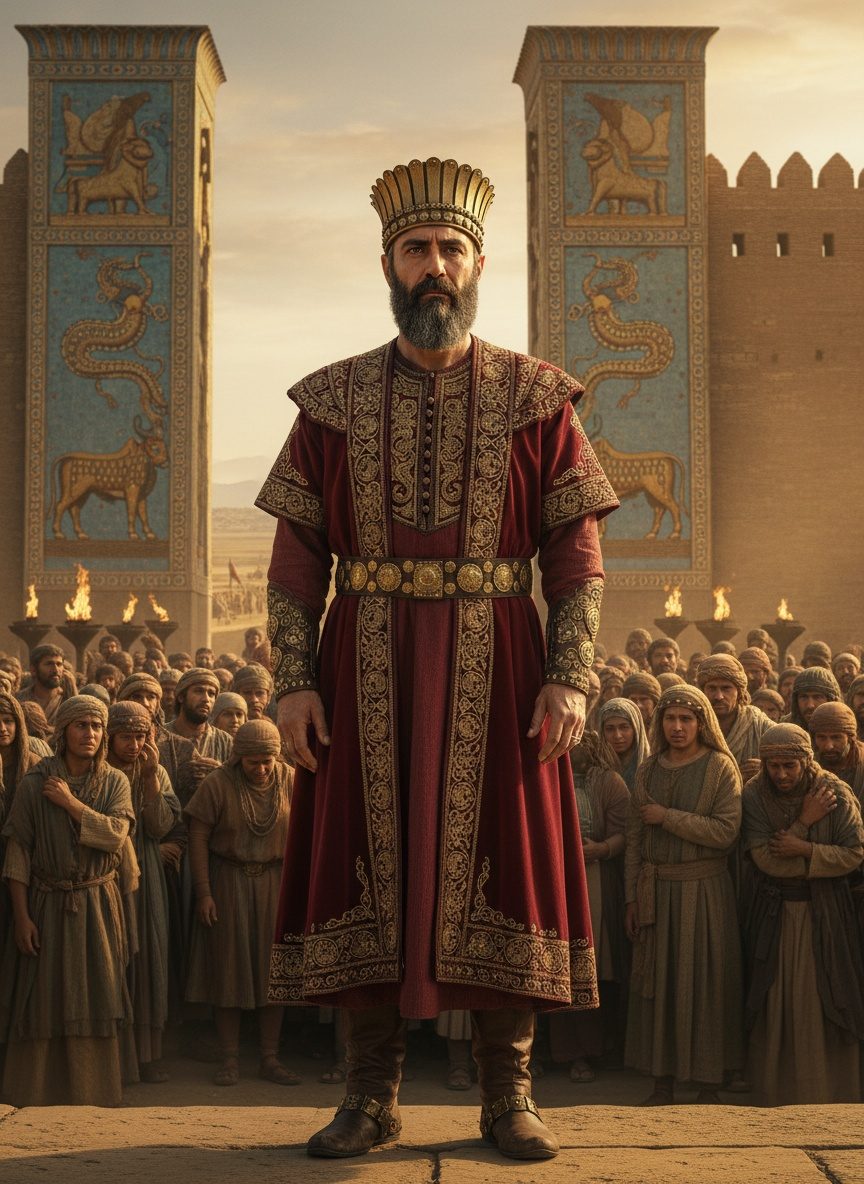
The year was 539 BC. The mighty city of Babylon, long considered impregnable, stood at the crossroads of the ancient world. Its colossal walls and grand palaces symbolized power that had endured for centuries. But history was about to turn. Cyrus the Great, the astute and ambitious leader of the Persian Empire, had arrived at its gates. Unlike the many rulers who had sought Babylon’s riches, Cyrus sought something greater.
Under the cover of night, the Euphrates River, which wound through the heart of Babylon, was diverted into a canal. This ingenious strategy lowered the water level, allowing Persian soldiers to slip beneath the city walls. Babylon fell without much bloodshed, a testament to Cyrus's strategic genius and the relatively peaceful transition he aimed to ensure. The city, which had been the jewel of Mesopotamia, now saw a new dawn under Persian rule.
The Struggle of the Captives
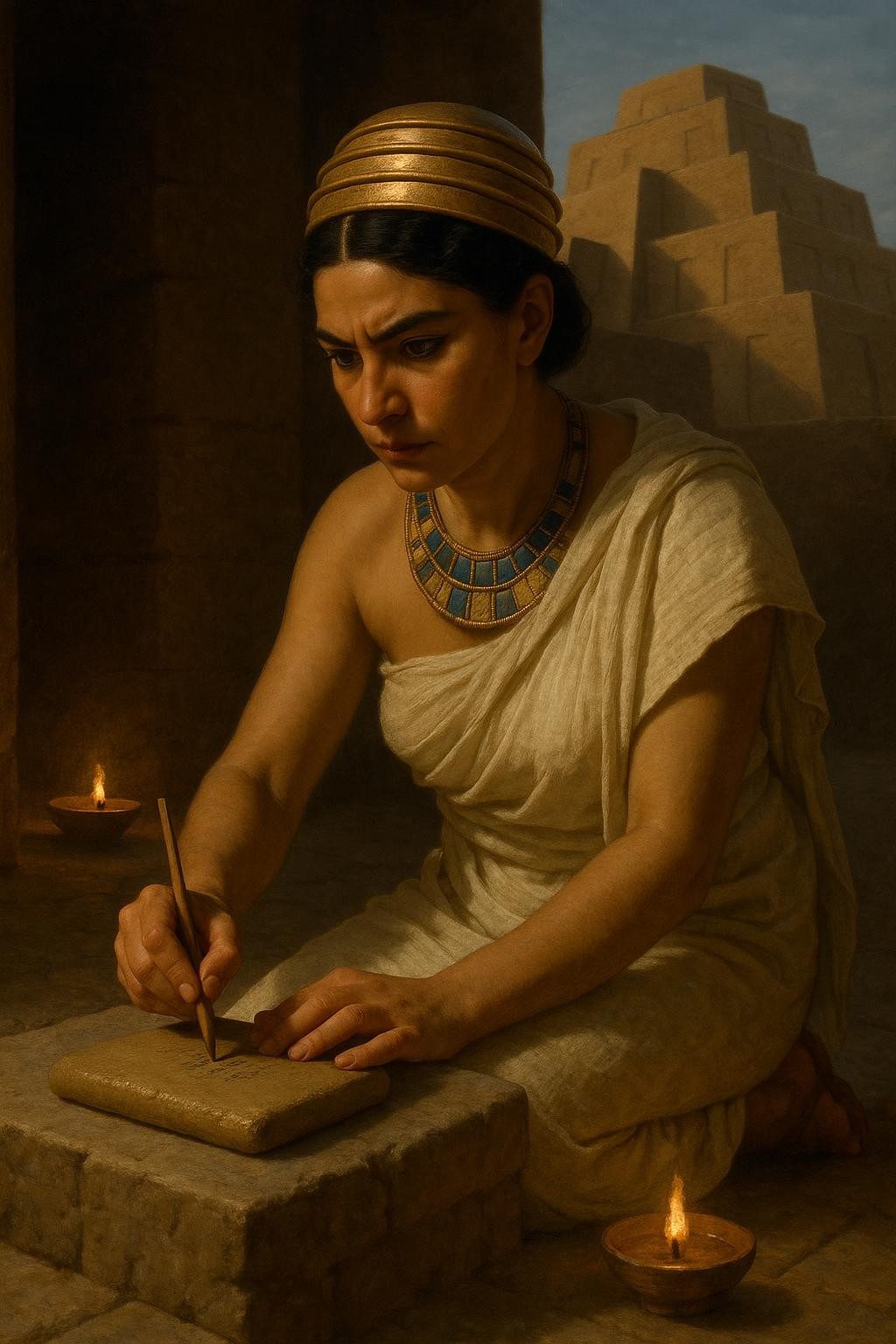
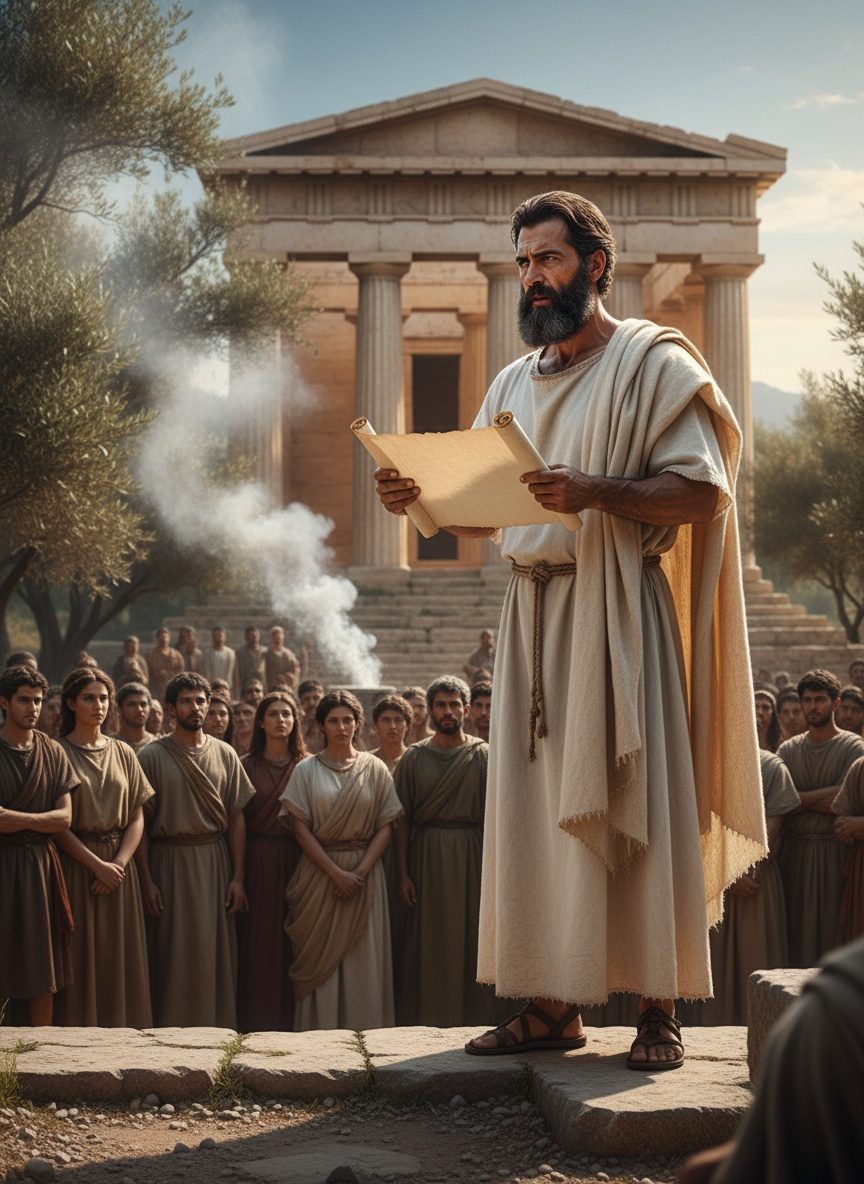
Babylon was a melting pot of cultures but not by choice. For decades, under Nebuchadnezzar and his successors, the Babylonians had forcefully assimilated diverse peoples. The most notable among them were the Jewish exiles, deported from Jerusalem after the conquest of their homeland, who languished in captivity. They were not alone; alongside them lived countless others — displaced Elamites, Egyptians, and more, each brought against their will from lands now reduced to political and cultural vassals of Babylon.
The air in Babylon was thick with longing and despair. This city, with its glorious ziggurats and lavish gardens, was as much a golden cage as it was a bustling metropolis. Behind the towering walls lived a teeming mass of people yearning for the lands they were taken from, dreaming of the soil where their ancestors were buried. For them, liberation seemed a distant, nearly impossible dream.
Cyrus's Revolutionary Decree
It was against this backdrop that Cyrus issued a decree that would ripple through history. Unlike any other conqueror, he did not seek to bolster his power by subjugating the conquered peoples further. Instead, he ordered the release of all captives held in Babylon. Among the surviving records of this unprecedented act is the Cyrus Cylinder, a clay artifact with cuneiform script outlining his policies and decrees. This artifact is sometimes lauded as one of the earliest forms of a human rights charter.
The edict allowed the exiles to return to their homelands, carrying their idols and practicing their religions freely. For many, it marked the end of lives lived in foreign lands and the beginning of a journey home. It’s said that the return journey wasn't easy; roads were long, and the prospects were uncertain. But the promise of home and the freedom to rebuild sparked hope stronger than any fear. This act of release transformed Cyrus from a mere conqueror into a liberator, earning him reverence not just in his time but through the ages.
Why This Story Matters
Cyrus's act of liberation was not just a momentary gesture but a monumental shift in the politics of power and governance. His strategy was founded, not on domination, but on fostering loyalty through respect and tolerance — ideas that resonate through modern principles of governance and diplomacy. The legacy of Cyrus the Great endures today, not purely because of the lands he conquered, but because of the people he freed and the civilizations he influenced.
The memory of the captives released in 539 BC reminds us of the profound impact of compassion in leadership. In a world often dominated by force, these threads of humanity continue to serve as a reminder that true greatness lies in the courage to set others free. The story of Cyrus the Great is about tearing down the walls that separate us and building bridges so that all may find their way home.