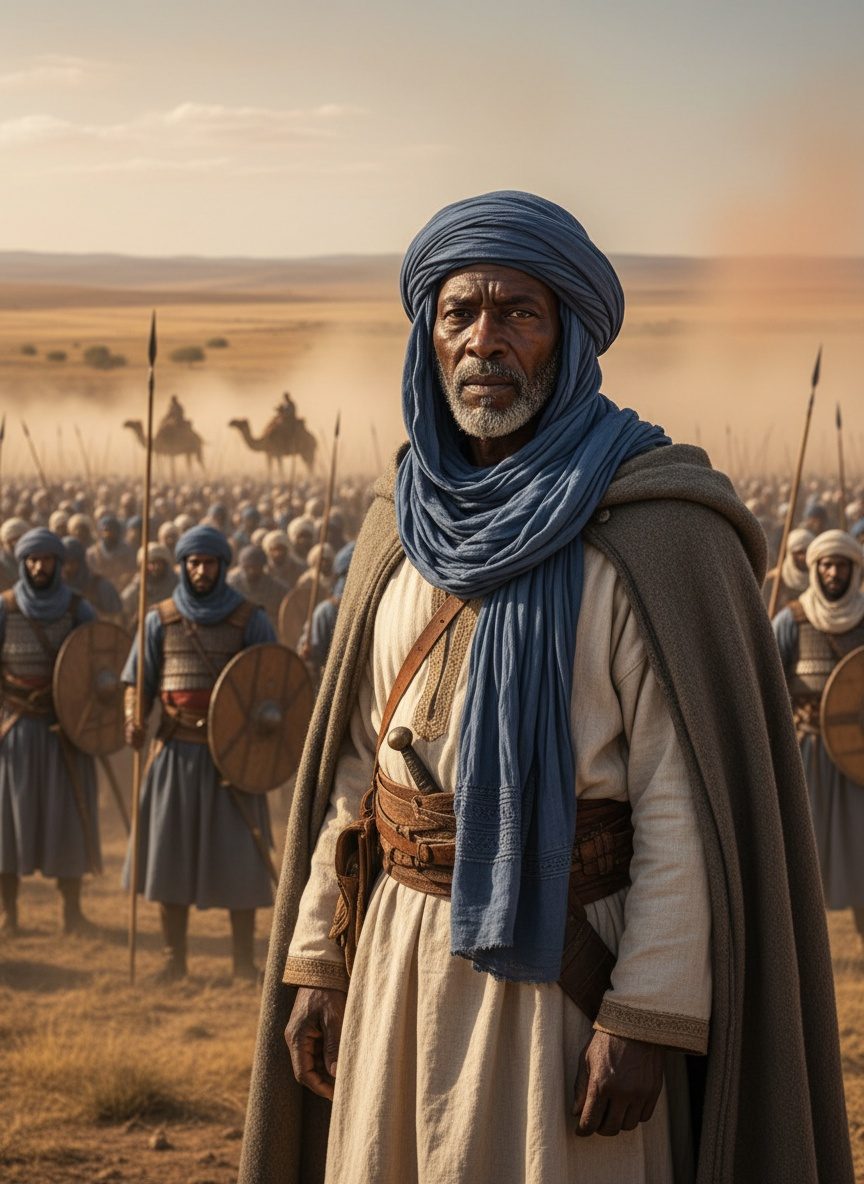
The air hung heavy over Athens, shimmering waves of midday heat distorting the hills surrounding the ancient city. All was quiet, save for the restless cicadas shrilling in their unseen arboreal perches. Far off, where the earth met the sky, lay the plain of Marathon, now busy with the boots of a vast Persian army. The citizens of Athens had just days before the men of Persia, led by Darius I, would bear down upon their city, intent on conquest. In this critical moment of potential annihilation, a single Athenian man prepared to undertake an extraordinary task — a run greater than what most modern athletes could imagine.
The Man Chosen for a Herculean Task
Enter Pheidippides, an Athenian herald, whose feet knew the roads of Greece like old friends. Tasked by his city’s leaders, Pheidippides was chosen to make the desperate journey from Athens to Sparta. The need was dire — the Athenians lacked the manpower to fend off the Persian forces alone. They needed the assistance of their Lacedaemonian allies, the Spartans, and they needed it immediately. In a world where messages still traveled on foot, all hope rested on Pheidippides’ ability to reach Sparta quickly and to convince the Spartans to come to their aid.
The journey he set upon was as treacherous as it was urgent. The path to Sparta was a daunting 140 miles through rugged terrain, up and down mountain passes, and across sweltering plains. There were no relay teams, no support along the way. It was just Pheidippides, against time and his own physical limits.
The Terrifying Odyssey Through Wilderness
Under a punishing sun, Pheidippides started his run. The trail was one of dust and stone, winding through ever-changing landscapes — scenes marked by the rolling hills of Attica giving way to the rugged rocks and valleys of Arcadia. Pheidippides traversed through the silence of ancient forests and the whistle of windswept passes. Each night brought the cooler embrace of darkness, a respite from the day's burning sun, but also the eerie howls of wolves and the distant, ominous footsteps of undiscovered dangers lurking in the wilderness.
By the time the sun awoke on the second day, it beat down mercilessly upon the solitary runner, testing his endurance to the brink. Yet, Pheidippides pressed on, driven by the cries of his city echoing in his mind, the images of invasion unthinkable, his steps fueled by more than mere athleticism but by a raw, primal determination to save Athens.
The Arrival and the Spartan Reluctance
It was perhaps nearing twilight when Pheidippides reached the fortified city-state of Sparta, his body battered but unbowed. He fell before the Spartan ephors, breathless but composed, delivering Athens' plea for immediate assistance. He recounted the great impending battle against the encroaching Persian forces, urging his listeners to remember their sworn alliance.
But the Spartans, bound by religious duties, hesitated. The Karneia festival, a time of sacred observance, prevented them from dispatching their troops until the moon was full — a delay that could spell disaster for Athens. Pheidippides rested briefly, gathering his strength, before he started on his return journey. The gods, only they knew what raced through his mind in those moments of grim disappointment and new resolve.
The Run Back and Its Historical Significance
Turning back home, Pheidippides retraced his steps through the harsh Greek wilderness. His run back was as torturous as his initial journey, yet he carried with him a message both of hope and despair. Despite the Spartans’ delay, he knew he had succeeded in reaching them swiftly. Athens could now prepare itself for resistance or bolster hopes for other support.
Upon his return, the news wasn’t disheartening after all. The Athenians, against all odds, had clinched victory at Marathon with clever tactics and fierce resolve — an outcome that marked the beginning of Greece’s golden age of democracy and culture. Pheidippides' run may not have brought immediate reinforcements, but his feat became legendary, etched into the annals of history as a testimony to human endurance and the spirit of defending one's home.
This tale of Pheidippides matters because it exemplifies the power of individual courage in shaping history. Long before the marathon became a hallmark of modern athletics, one man's impossible run influenced the fate of a people and a culture. His journey stands not just as a tale of historic endurance but as a tribute to the profound impact of human determination against overwhelming odds — a lesson from history that echoes through the ages.